

Give the Gift of Choice!
Too many options? Treat your friends and family to their favourite stores with a Bayshore Shopping Centre gift card, redeemable at participating retailers throughout the centre. Click below to purchase yours today!Purchase HereHome
Something Like Hope & Other Stories
Coles
Loading Inventory...
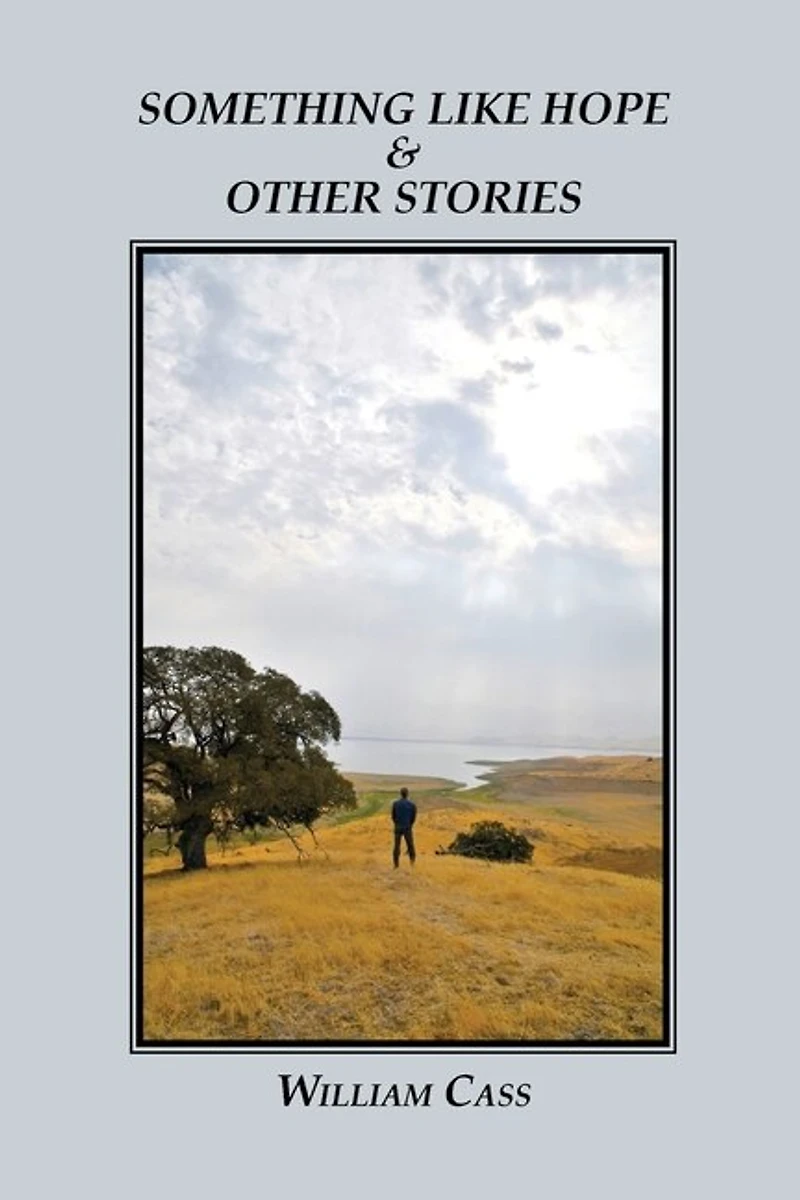
Something Like Hope & Other Stories in Ottawa, ON
Current price: $26.00

Something Like Hope & Other Stories in Ottawa, ON
Current price: $26.00
Loading Inventory...
Size: Paperback
*Product information may vary - to confirm product availability, pricing, shipping and return information please contact Coles
What attaches you to the characters in William Cass's moving first collection of short stories is that they are loving people, emotionally observant and internally responsive to the world around them. Even when isolated, and many of them are, Cass's men and women know what it is to be connected. Even when their setting is bleak-a trailer camp for seasonal workers in Kansas, a small town in Minnesota-and their circumstances constrained-by limited means, education, depression, loss-they are actively seeking the best way to proceed. Young men and women doing mandatory community service help their wounded guard; college boys go to work in a migrant camp picking cantaloupes; a divorced, retired man tends his own loss by caring for his neighbor; a middle-aged café owner models both tenacity and gratitude in her relationships with aging friends, nephews, and incarcerated lover. Cass's characters look out , empathize even if they don't necessarily know how to respond effectively. They feel their failures to connect as losses, thus affirming the value of the effort itself. The characters in these stories are in ways large and small constantly making and remaking their commitment to hope, or something far more like it than not.
What attaches you to the characters in William Cass's moving first collection of short stories is that they are loving people, emotionally observant and internally responsive to the world around them. Even when isolated, and many of them are, Cass's men and women know what it is to be connected. Even when their setting is bleak-a trailer camp for seasonal workers in Kansas, a small town in Minnesota-and their circumstances constrained-by limited means, education, depression, loss-they are actively seeking the best way to proceed. Young men and women doing mandatory community service help their wounded guard; college boys go to work in a migrant camp picking cantaloupes; a divorced, retired man tends his own loss by caring for his neighbor; a middle-aged café owner models both tenacity and gratitude in her relationships with aging friends, nephews, and incarcerated lover. Cass's characters look out , empathize even if they don't necessarily know how to respond effectively. They feel their failures to connect as losses, thus affirming the value of the effort itself. The characters in these stories are in ways large and small constantly making and remaking their commitment to hope, or something far more like it than not.
You May Also Like










More About Coles at Bayshore Shopping Centre
Coles is renowned for its outstanding customer service and great selection of books. Along with the vast array of magazines, stationary, audio-books, children's literature, fiction, non-fiction and reference books, you can find accessories to make your reading experience more pleasurable. We can recommend the very best in reading today. We will help you search our titles for exactly what you need, and if we do not have it in stock, we will order it for you.
100 Bayshore Dr, Nepean, ON K2B 8C1, Canada
Find Coles at Bayshore Shopping Centre in Ottawa, ON
Visit Coles at Bayshore Shopping Centre in Ottawa, ON