

Give the Gift of Choice!
Too many options? Treat your friends and family to their favourite stores with a Bayshore Shopping Centre gift card, redeemable at participating retailers throughout the centre. Click below to purchase yours today!Purchase HereHome
Sophocles and the Politics of Tragedy: Cities Transcendence
Coles
Loading Inventory...
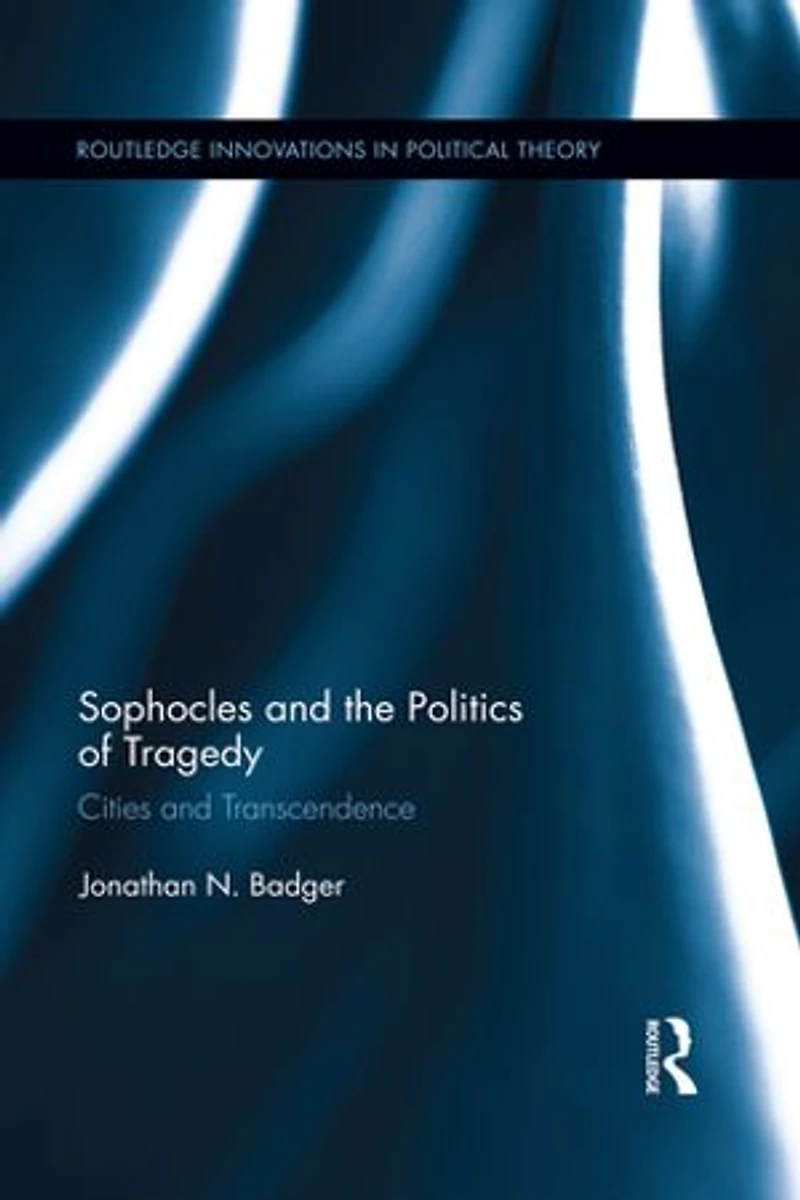
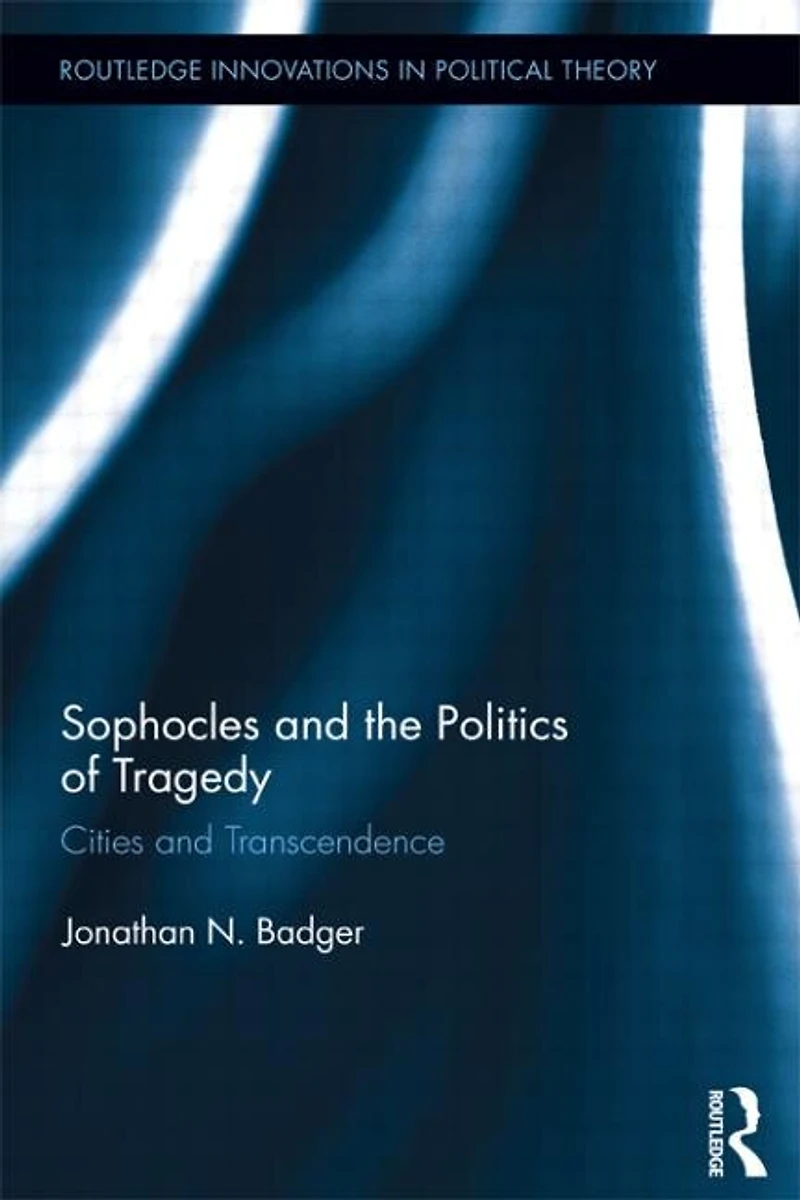
Sophocles and the Politics of Tragedy: Cities Transcendence in Ottawa, ON
Current price: $81.42

Sophocles and the Politics of Tragedy: Cities Transcendence in Ottawa, ON
Current price: $81.42
Loading Inventory...
Size: Kobo eBook
*Product information may vary - to confirm product availability, pricing, shipping and return information please contact Coles
Sophocles and the Politics of Tragedy is an inquiry into a fundamental political problem made visible through the tragic poetry of Sophocles. In part I Badger offers a detailed exegesis of three plays: Ajax , Antigone , and Philoctetes . These plays share a common theme, illuminating a persistent feature of political life, namely the antagonism between the heroic commitment to the beautiful and the transcendent on the one hand, and the community's need for bodily safety and material security on the other. This conceptual structure not only helps us understand these plays but also establishes a distinctive vision of the tragic dimension of political life-a vision that can be applied fruitfully to examinations of political projects quite distant from the world of fifth-century Athens. Such an application is the aim of part II, in which Badger coordinates the results of the inquiries of part I and applies them to a consideration of the competing claims of three strands of medieval and early modern political philosophy: ecclesiastical rule, scientific domination, and liberal government. Badger identifies the last of these-early modern liberalism-as a "tragic politics" that seeks to sustain and contain the tension between transcendent longing and material need.
Sophocles and the Politics of Tragedy is an inquiry into a fundamental political problem made visible through the tragic poetry of Sophocles. In part I Badger offers a detailed exegesis of three plays: Ajax , Antigone , and Philoctetes . These plays share a common theme, illuminating a persistent feature of political life, namely the antagonism between the heroic commitment to the beautiful and the transcendent on the one hand, and the community's need for bodily safety and material security on the other. This conceptual structure not only helps us understand these plays but also establishes a distinctive vision of the tragic dimension of political life-a vision that can be applied fruitfully to examinations of political projects quite distant from the world of fifth-century Athens. Such an application is the aim of part II, in which Badger coordinates the results of the inquiries of part I and applies them to a consideration of the competing claims of three strands of medieval and early modern political philosophy: ecclesiastical rule, scientific domination, and liberal government. Badger identifies the last of these-early modern liberalism-as a "tragic politics" that seeks to sustain and contain the tension between transcendent longing and material need.
You May Also Like







More About Coles at Bayshore Shopping Centre
Coles is renowned for its outstanding customer service and great selection of books. Along with the vast array of magazines, stationary, audio-books, children's literature, fiction, non-fiction and reference books, you can find accessories to make your reading experience more pleasurable. We can recommend the very best in reading today. We will help you search our titles for exactly what you need, and if we do not have it in stock, we will order it for you.
100 Bayshore Dr, Nepean, ON K2B 8C1, Canada
Find Coles at Bayshore Shopping Centre in Ottawa, ON
Visit Coles at Bayshore Shopping Centre in Ottawa, ON