

Give the Gift of Choice!
Too many options? Treat your friends and family to their favourite stores with a Bayshore Shopping Centre gift card, redeemable at participating retailers throughout the centre. Click below to purchase yours today!Purchase HereHome
Sparta and the Commemoration of War
Coles
Loading Inventory...
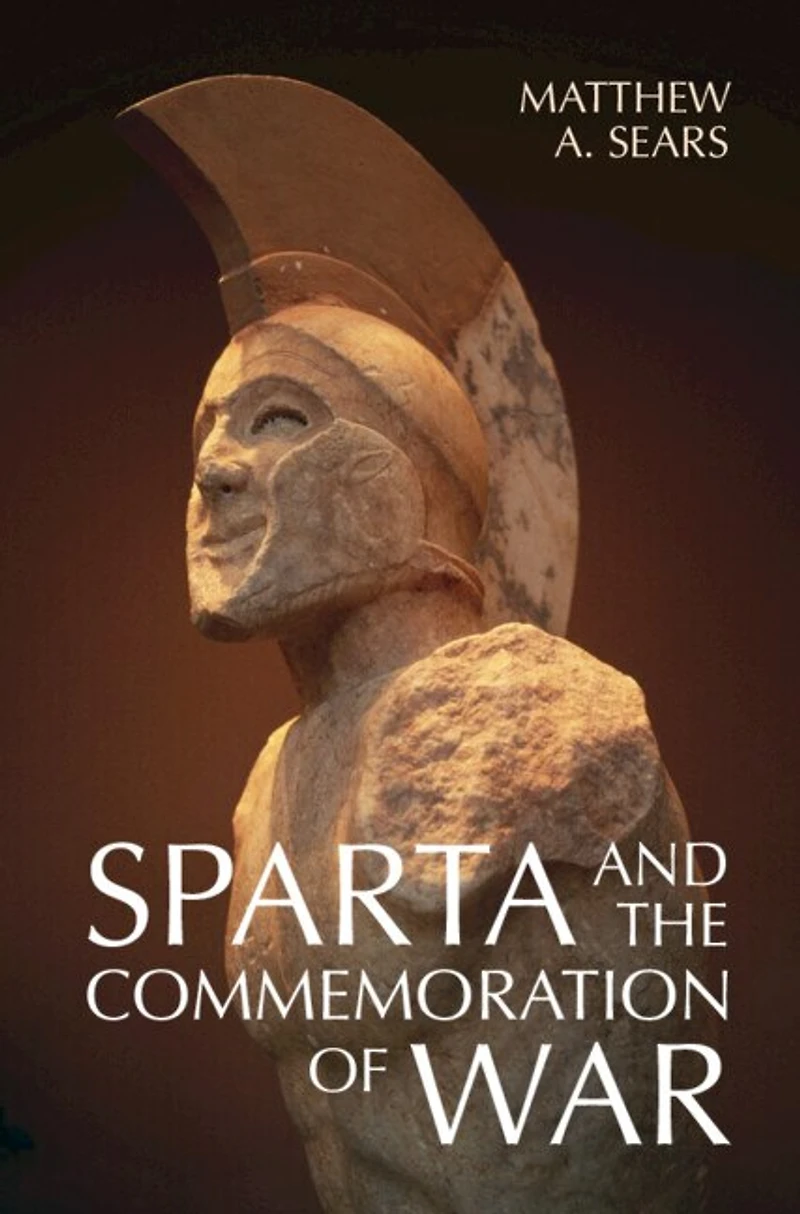
Sparta and the Commemoration of War in Ottawa, ON
Current price: $51.95

Sparta and the Commemoration of War in Ottawa, ON
Current price: $51.95
Loading Inventory...
Size: Hardcover
*Product information may vary - to confirm product availability, pricing, shipping and return information please contact Coles
The tough Spartan soldier is one of the most enduring images from antiquity. Yet Spartans too fell in battle – so how did ancient Sparta memorialise its wars and war dead? From the poet Tyrtaeus inspiring soldiers with rousing verse in the seventh century BCE to inscriptions celebrating the 300's last stand at Thermopylae, and from Spartan imperialists posing as liberators during the Peloponnesian War to the modern reception of the Spartan as a brave warrior defending the “West”, Sparta has had an outsized role in how warfare is framed and remembered. This image has also been distorted by the Spartans themselves and their later interpreters. While debates continue to rage about the appropriateness of monuments to supposed war heroes in our civic squares, this authoritative and engaging book suggests that how the Spartans commemorated their military past, and how this shaped their military future, has perhaps never been more pertinent.
The tough Spartan soldier is one of the most enduring images from antiquity. Yet Spartans too fell in battle – so how did ancient Sparta memorialise its wars and war dead? From the poet Tyrtaeus inspiring soldiers with rousing verse in the seventh century BCE to inscriptions celebrating the 300's last stand at Thermopylae, and from Spartan imperialists posing as liberators during the Peloponnesian War to the modern reception of the Spartan as a brave warrior defending the “West”, Sparta has had an outsized role in how warfare is framed and remembered. This image has also been distorted by the Spartans themselves and their later interpreters. While debates continue to rage about the appropriateness of monuments to supposed war heroes in our civic squares, this authoritative and engaging book suggests that how the Spartans commemorated their military past, and how this shaped their military future, has perhaps never been more pertinent.
You May Also Like











More About Coles at Bayshore Shopping Centre
Coles is renowned for its outstanding customer service and great selection of books. Along with the vast array of magazines, stationary, audio-books, children's literature, fiction, non-fiction and reference books, you can find accessories to make your reading experience more pleasurable. We can recommend the very best in reading today. We will help you search our titles for exactly what you need, and if we do not have it in stock, we will order it for you.
100 Bayshore Dr, Nepean, ON K2B 8C1, Canada
Find Coles at Bayshore Shopping Centre in Ottawa, ON
Visit Coles at Bayshore Shopping Centre in Ottawa, ON