

Give the Gift of Choice!
Too many options? Treat your friends and family to their favourite stores with a Bayshore Shopping Centre gift card, redeemable at participating retailers throughout the centre. Click below to purchase yours today!Purchase HereHome
Spectral Dickens: The uncanny forms of novelistic characterization
Coles
Loading Inventory...
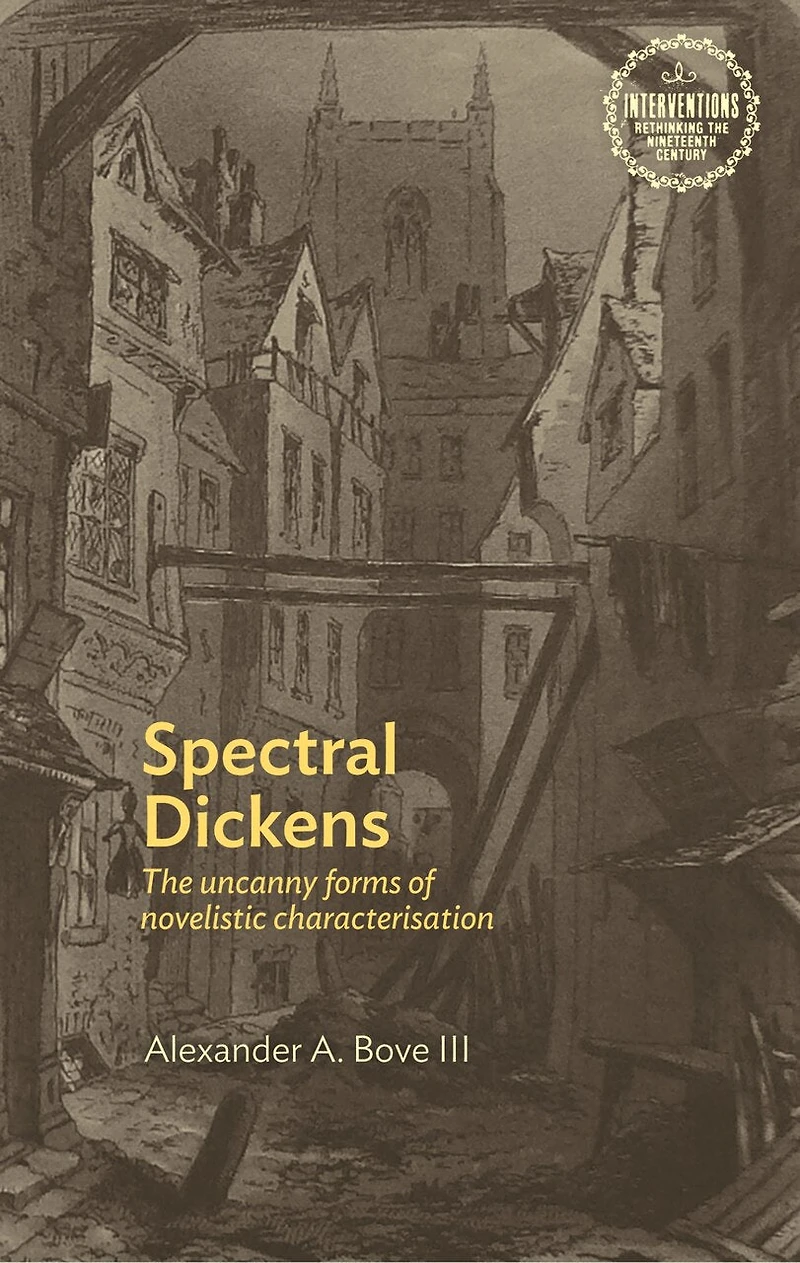
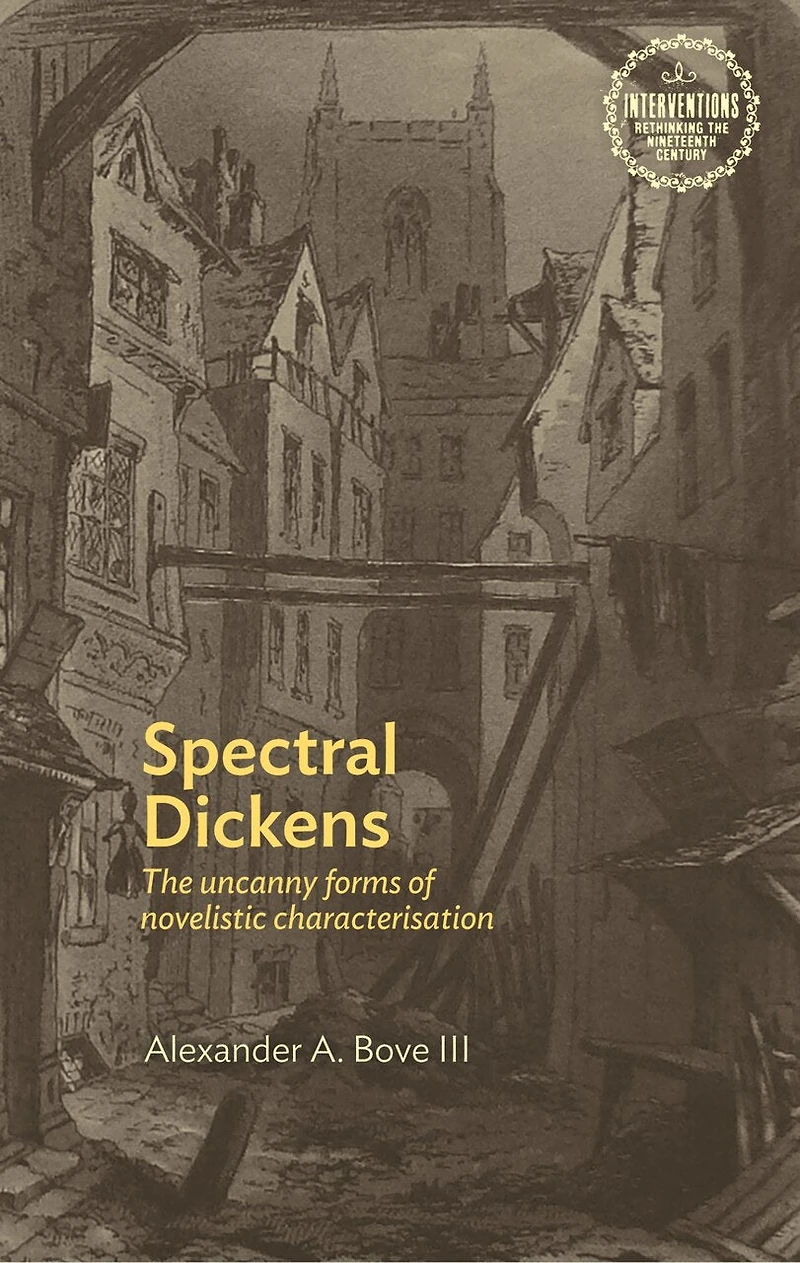
Spectral Dickens: The uncanny forms of novelistic characterization in Ottawa, ON
Current price: $170.00

Spectral Dickens: The uncanny forms of novelistic characterization in Ottawa, ON
Current price: $170.00
Loading Inventory...
Size: Hardcover
*Product information may vary - to confirm product availability, pricing, shipping and return information please contact Coles
Drawing on the recent ontological turn in critical theory, Spectral Dickens explores an aspect of literary character that is neither real nor fictional, but spectral. This work thus provides an in-depth study of the inimitable characters populating Dickens’ illustrated novels using three hauntological concepts: the Freudian uncanny, Derridean spectrality, and the Lacanian real. Thus, while the current discourse on character studies, which revolves around values like realism, depth, and lifelikeness, tends to see characters as mimetic of persons, this book invents new critical concepts to account for non-mimetic forms of characterization. These spectral forms bring to light the important influence of developments in nineteenth-century visual culture, such as the lithography and caricature of Daumier and J.J. Grandville. The spectrality of novelistic characters developed here paves the way for a new understanding of fictional characters in general.
Drawing on the recent ontological turn in critical theory, Spectral Dickens explores an aspect of literary character that is neither real nor fictional, but spectral. This work thus provides an in-depth study of the inimitable characters populating Dickens’ illustrated novels using three hauntological concepts: the Freudian uncanny, Derridean spectrality, and the Lacanian real. Thus, while the current discourse on character studies, which revolves around values like realism, depth, and lifelikeness, tends to see characters as mimetic of persons, this book invents new critical concepts to account for non-mimetic forms of characterization. These spectral forms bring to light the important influence of developments in nineteenth-century visual culture, such as the lithography and caricature of Daumier and J.J. Grandville. The spectrality of novelistic characters developed here paves the way for a new understanding of fictional characters in general.
You May Also Like













More About Coles at Bayshore Shopping Centre
Coles is renowned for its outstanding customer service and great selection of books. Along with the vast array of magazines, stationary, audio-books, children's literature, fiction, non-fiction and reference books, you can find accessories to make your reading experience more pleasurable. We can recommend the very best in reading today. We will help you search our titles for exactly what you need, and if we do not have it in stock, we will order it for you.
100 Bayshore Dr, Nepean, ON K2B 8C1, Canada
Find Coles at Bayshore Shopping Centre in Ottawa, ON
Visit Coles at Bayshore Shopping Centre in Ottawa, ON