

Give the Gift of Choice!
Too many options? Treat your friends and family to their favourite stores with a Bayshore Shopping Centre gift card, redeemable at participating retailers throughout the centre. Click below to purchase yours today!Purchase HereHome
Speech Act Theory: Between Narrow and Broad Pragmatics
Coles
Loading Inventory...
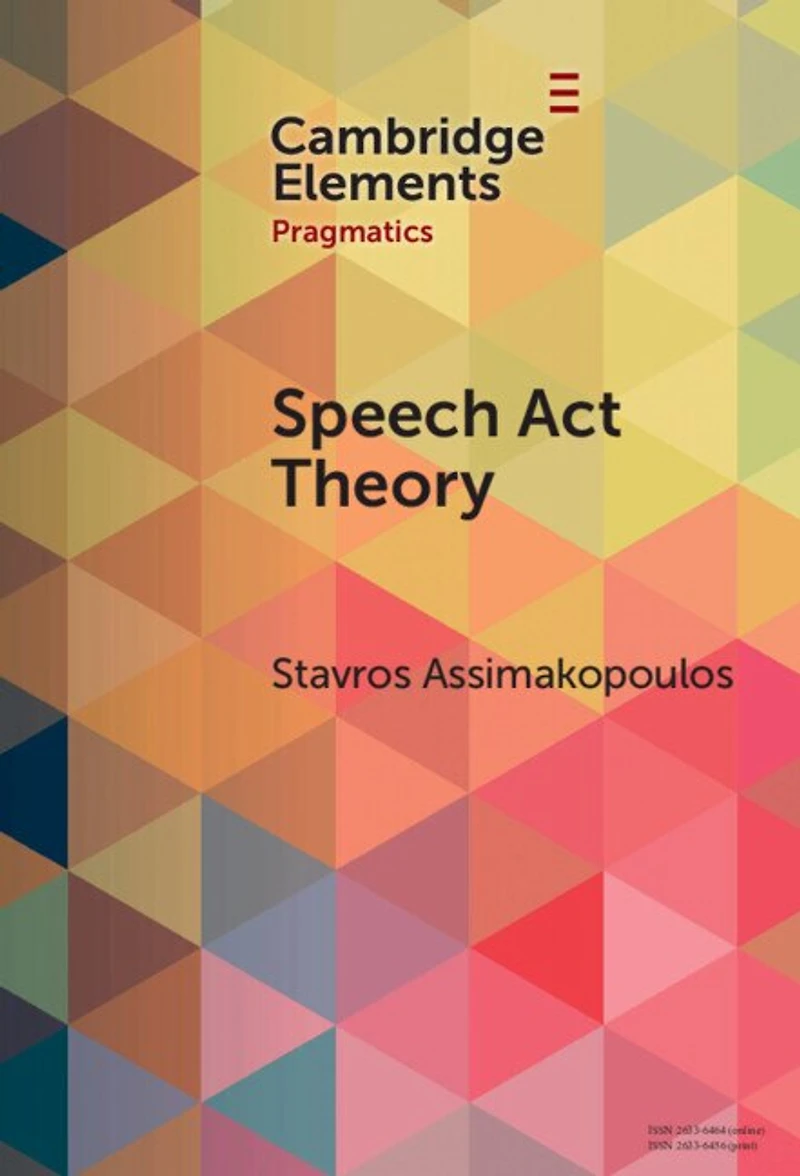
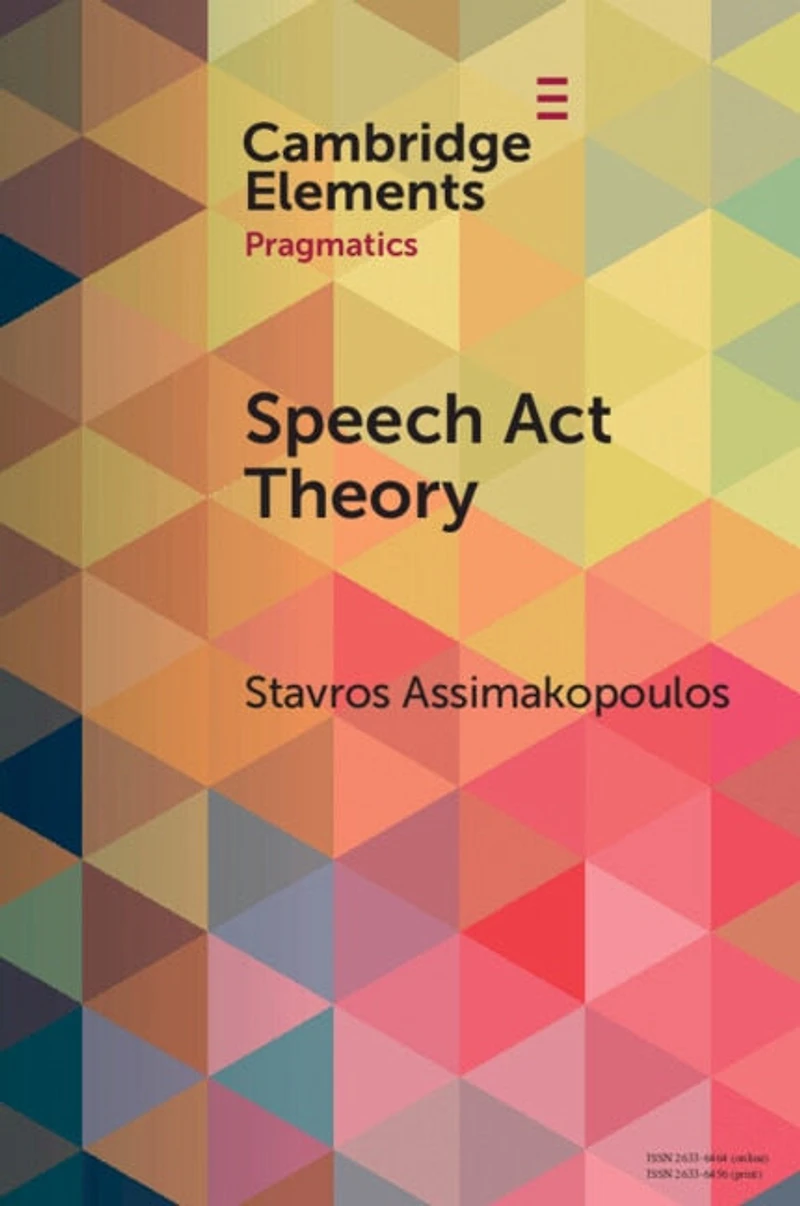
Speech Act Theory: Between Narrow and Broad Pragmatics in Ottawa, ON
Current price: $94.73

Speech Act Theory: Between Narrow and Broad Pragmatics in Ottawa, ON
Current price: $94.73
Loading Inventory...
Size: Hardcover
*Product information may vary - to confirm product availability, pricing, shipping and return information please contact Coles
Speech act theory has been foundational in establishing pragmatics as an independent field of inquiry; yet, recent pragmatic research appears to have drifted away from the theoretical investigation of speech acts. This Element explores the reasons why this is so, focusing on the difference of perspective that emerges when the scope of the discipline is viewed through a narrow versus a broad lens. Following an overview of the initial exposition of speech act theory by Austin, it tracks its evolution, through subsequent Searlean and Gricean elaborations, to the currently received view. This view is then found to have diverged substantially from Austin's original vision, largely due to its alignment with the narrow conception of pragmatics. Against this backdrop, it is suggested that embracing the broad take on the discipline can allow for a reintegration of Austin's vision into the way we theorise about speech acts.
Speech act theory has been foundational in establishing pragmatics as an independent field of inquiry; yet, recent pragmatic research appears to have drifted away from the theoretical investigation of speech acts. This Element explores the reasons why this is so, focusing on the difference of perspective that emerges when the scope of the discipline is viewed through a narrow versus a broad lens. Following an overview of the initial exposition of speech act theory by Austin, it tracks its evolution, through subsequent Searlean and Gricean elaborations, to the currently received view. This view is then found to have diverged substantially from Austin's original vision, largely due to its alignment with the narrow conception of pragmatics. Against this backdrop, it is suggested that embracing the broad take on the discipline can allow for a reintegration of Austin's vision into the way we theorise about speech acts.
You May Also Like













More About Coles at Bayshore Shopping Centre
Coles is renowned for its outstanding customer service and great selection of books. Along with the vast array of magazines, stationary, audio-books, children's literature, fiction, non-fiction and reference books, you can find accessories to make your reading experience more pleasurable. We can recommend the very best in reading today. We will help you search our titles for exactly what you need, and if we do not have it in stock, we will order it for you.
100 Bayshore Dr, Nepean, ON K2B 8C1, Canada
Find Coles at Bayshore Shopping Centre in Ottawa, ON
Visit Coles at Bayshore Shopping Centre in Ottawa, ON