

Give the Gift of Choice!
Too many options? Treat your friends and family to their favourite stores with a Bayshore Shopping Centre gift card, redeemable at participating retailers throughout the centre. Click below to purchase yours today!Purchase HereHome
Sport and the American Occupation of Philippines: Bats, Balls, Bayonets
Coles
Loading Inventory...
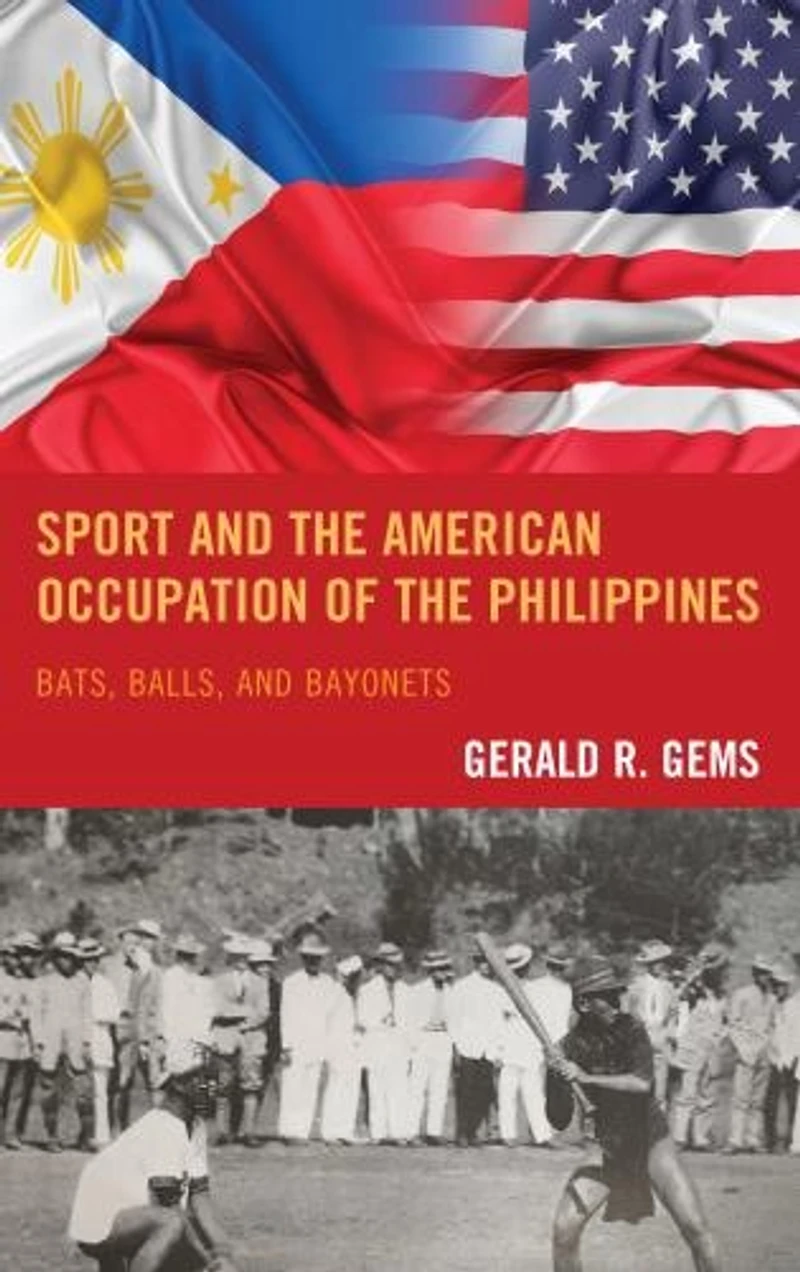
Sport and the American Occupation of Philippines: Bats, Balls, Bayonets in Ottawa, ON
Current price: $160.95

Sport and the American Occupation of Philippines: Bats, Balls, Bayonets in Ottawa, ON
Current price: $160.95
Loading Inventory...
Size: Hardcover
*Product information may vary - to confirm product availability, pricing, shipping and return information please contact Coles
This interdisciplinary case study invokes historical, sociological, and anthropological means to examine the ascendance of the United States to a world power in its first imperial venture. In the aftermath of the Spanish-American War of 1898 the U.S. acquired and occupied the Philippine Islands for nearly a half century in an attempt to install a democratic form of government, a capitalist economy, the Protestant religion, and a particular value system. Sport became a primary means to achieve such goals, fostered initially by the military, and then widely promoted in the schools and the YMCA. Competitive programs, including international athletic spectacles, channeled Filipino nationalism against Asian rivals rather than the American occupiers as guerrilla warfare ensued in the islands. The strategies learned in the Philippines, now known as “soft power” remain prominent factors in current American foreign policy.
This interdisciplinary case study invokes historical, sociological, and anthropological means to examine the ascendance of the United States to a world power in its first imperial venture. In the aftermath of the Spanish-American War of 1898 the U.S. acquired and occupied the Philippine Islands for nearly a half century in an attempt to install a democratic form of government, a capitalist economy, the Protestant religion, and a particular value system. Sport became a primary means to achieve such goals, fostered initially by the military, and then widely promoted in the schools and the YMCA. Competitive programs, including international athletic spectacles, channeled Filipino nationalism against Asian rivals rather than the American occupiers as guerrilla warfare ensued in the islands. The strategies learned in the Philippines, now known as “soft power” remain prominent factors in current American foreign policy.
You May Also Like









More About Coles at Bayshore Shopping Centre
Coles is renowned for its outstanding customer service and great selection of books. Along with the vast array of magazines, stationary, audio-books, children's literature, fiction, non-fiction and reference books, you can find accessories to make your reading experience more pleasurable. We can recommend the very best in reading today. We will help you search our titles for exactly what you need, and if we do not have it in stock, we will order it for you.
100 Bayshore Dr, Nepean, ON K2B 8C1, Canada
Find Coles at Bayshore Shopping Centre in Ottawa, ON
Visit Coles at Bayshore Shopping Centre in Ottawa, ON