

Give the Gift of Choice!
Too many options? Treat your friends and family to their favourite stores with a Bayshore Shopping Centre gift card, redeemable at participating retailers throughout the centre. Click below to purchase yours today!Purchase HereHome
Stability Analysis and Controller Design of Local Model Networks
Coles
Loading Inventory...
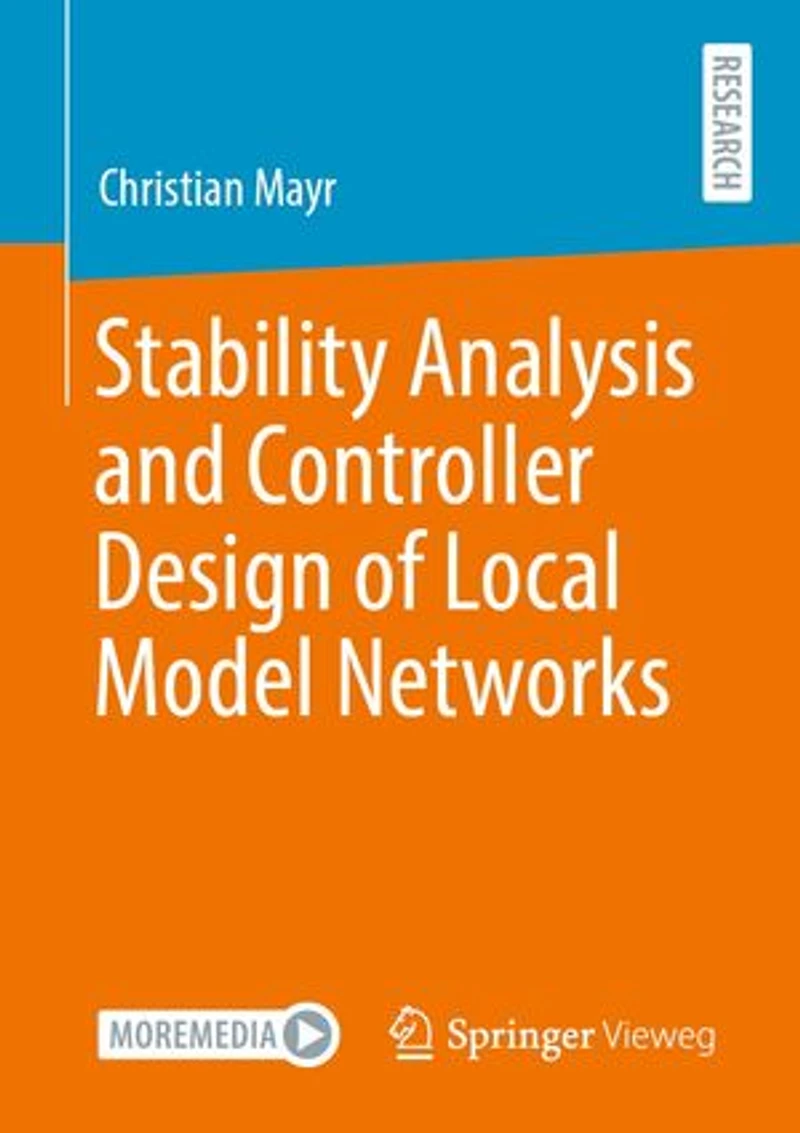
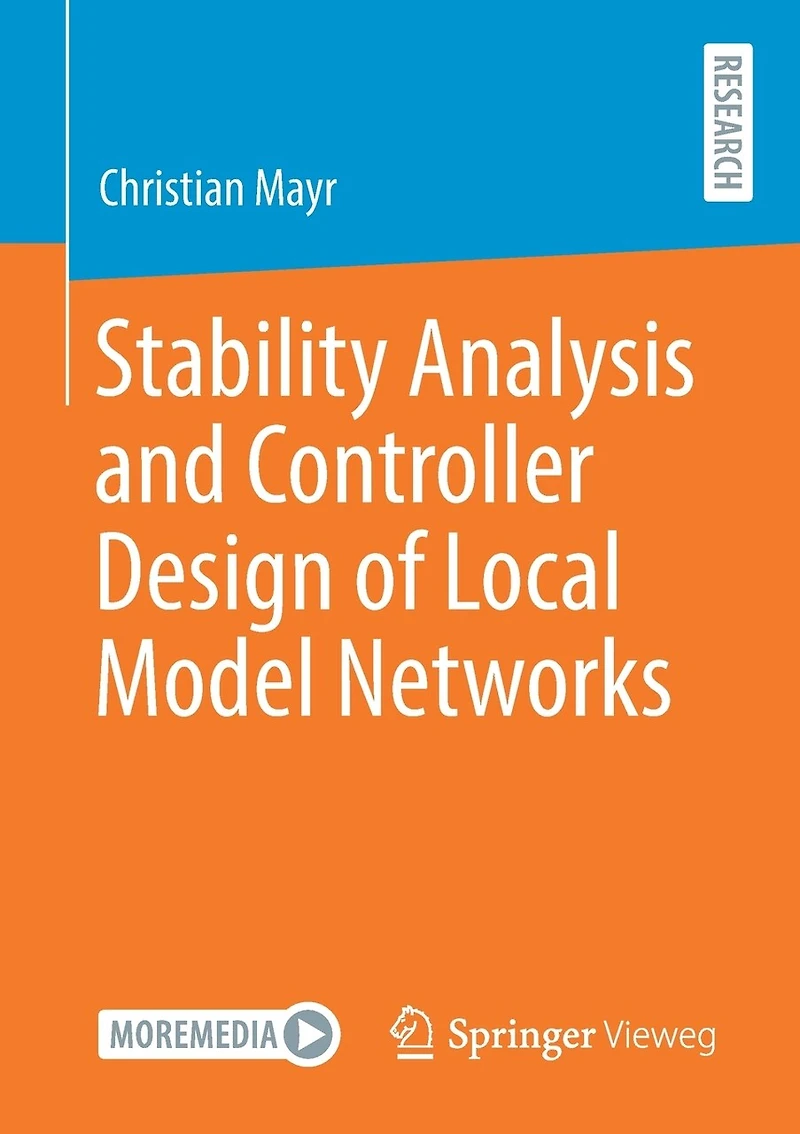
Stability Analysis and Controller Design of Local Model Networks in Ottawa, ON
Current price: $96.79
Original price: $120.93

Stability Analysis and Controller Design of Local Model Networks in Ottawa, ON
Current price: $96.79
Original price: $120.93
Loading Inventory...
Size: Kobo eBook
*Product information may vary - to confirm product availability, pricing, shipping and return information please contact Coles
This book treats various methods for stability analysis and controller design of local model networks (LMNs). LMNs have proved to be a powerful tool in nonlinear dynamic system identification. Their system architecture is more suitable for controller design compared to alternative approximation methods. The main advantage is that linear controller design methods can be, at least locally, applied and combined with nonlinear optimization to calibrate stable state feedback as well as PID controller. The calibration of stable state-feedback controllers is based on the closed loop stability analysis methods. Here, global LMIs (Linear Matrix Inequalities) can be derived and numerically solved. For LMN based nonlinear PID controllers deriving global LMIs is not possible. Thus, two approaches are treated in this book. The first approach works iteratively to get LMIs in each iteration step. The second approach uses a genetic algorithm to determine the PID controller parameters where for each individual the stability is checked. It allows simultaneous enhancement of (competing) optimization criteria.
This book treats various methods for stability analysis and controller design of local model networks (LMNs). LMNs have proved to be a powerful tool in nonlinear dynamic system identification. Their system architecture is more suitable for controller design compared to alternative approximation methods. The main advantage is that linear controller design methods can be, at least locally, applied and combined with nonlinear optimization to calibrate stable state feedback as well as PID controller. The calibration of stable state-feedback controllers is based on the closed loop stability analysis methods. Here, global LMIs (Linear Matrix Inequalities) can be derived and numerically solved. For LMN based nonlinear PID controllers deriving global LMIs is not possible. Thus, two approaches are treated in this book. The first approach works iteratively to get LMIs in each iteration step. The second approach uses a genetic algorithm to determine the PID controller parameters where for each individual the stability is checked. It allows simultaneous enhancement of (competing) optimization criteria.
You May Also Like









More About Coles at Bayshore Shopping Centre
Coles is renowned for its outstanding customer service and great selection of books. Along with the vast array of magazines, stationary, audio-books, children's literature, fiction, non-fiction and reference books, you can find accessories to make your reading experience more pleasurable. We can recommend the very best in reading today. We will help you search our titles for exactly what you need, and if we do not have it in stock, we will order it for you.
100 Bayshore Dr, Nepean, ON K2B 8C1, Canada
Find Coles at Bayshore Shopping Centre in Ottawa, ON
Visit Coles at Bayshore Shopping Centre in Ottawa, ON