

Give the Gift of Choice!
Too many options? Treat your friends and family to their favourite stores with a Bayshore Shopping Centre gift card, redeemable at participating retailers throughout the centre. Click below to purchase yours today!Purchase HereHome
State-Building as Lawfare: Custom, Sharia, and State Law in Postwar Chechnya
Coles
Loading Inventory...
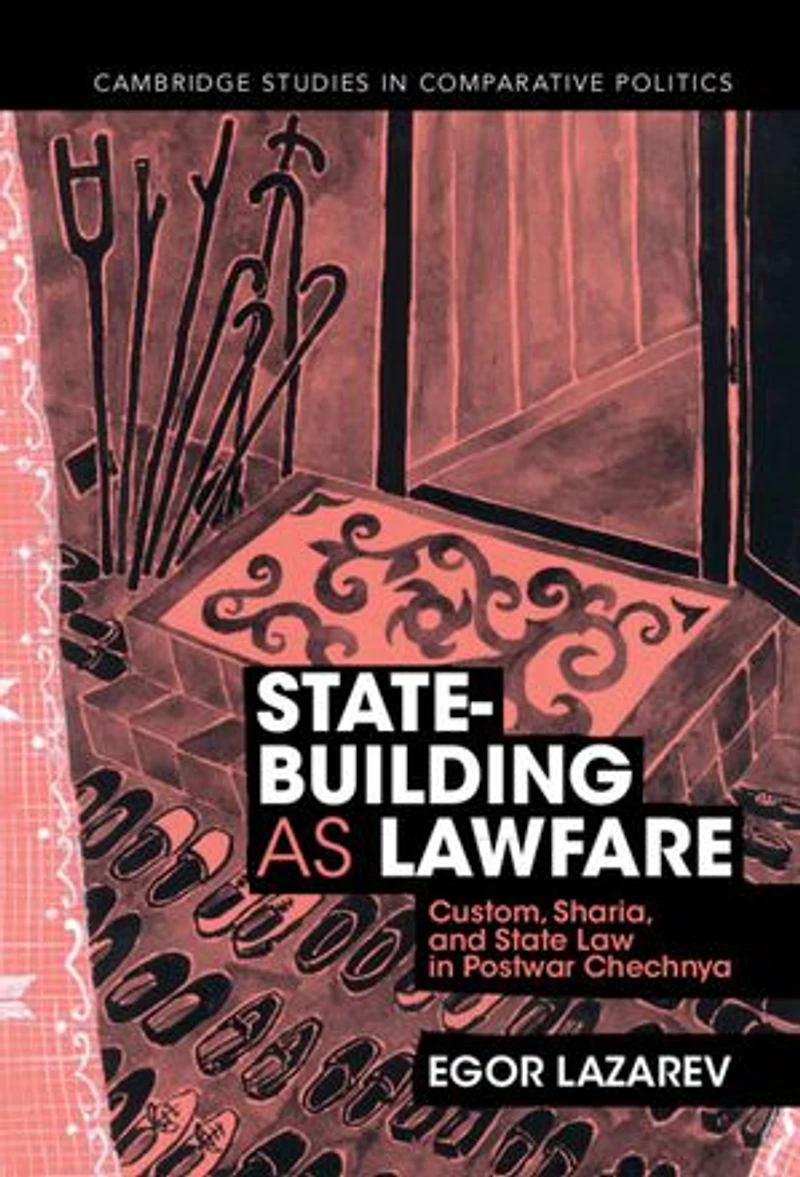
State-Building as Lawfare: Custom, Sharia, and State Law in Postwar Chechnya in Ottawa, ON
Current price: $34.39
Original price: $42.95

State-Building as Lawfare: Custom, Sharia, and State Law in Postwar Chechnya in Ottawa, ON
Current price: $34.39
Original price: $42.95
Loading Inventory...
Size: Kobo eBook
*Product information may vary - to confirm product availability, pricing, shipping and return information please contact Coles
State-Building as Lawfare explores the use of state and non-state legal systems by both politicians and ordinary people in postwar Chechnya. The book addresses two interrelated puzzles: why do local rulers tolerate and even promote non-state legal systems at the expense of state law, and why do some members of repressed ethnic minorities choose to resolve their everyday disputes using state legal systems instead of non-state alternatives? The book documents how the rulers of Chechnya promote and reinvent customary law and Sharia in order to borrow legitimacy from tradition and religion, increase autonomy from the metropole, and accommodate communal authorities and former rebels. At the same time, the book shows how prolonged armed conflict disrupted the traditional social hierarchies and pushed some Chechen women to use state law, spurring state formation from below.
State-Building as Lawfare explores the use of state and non-state legal systems by both politicians and ordinary people in postwar Chechnya. The book addresses two interrelated puzzles: why do local rulers tolerate and even promote non-state legal systems at the expense of state law, and why do some members of repressed ethnic minorities choose to resolve their everyday disputes using state legal systems instead of non-state alternatives? The book documents how the rulers of Chechnya promote and reinvent customary law and Sharia in order to borrow legitimacy from tradition and religion, increase autonomy from the metropole, and accommodate communal authorities and former rebels. At the same time, the book shows how prolonged armed conflict disrupted the traditional social hierarchies and pushed some Chechen women to use state law, spurring state formation from below.
You May Also Like







More About Coles at Bayshore Shopping Centre
Coles is renowned for its outstanding customer service and great selection of books. Along with the vast array of magazines, stationary, audio-books, children's literature, fiction, non-fiction and reference books, you can find accessories to make your reading experience more pleasurable. We can recommend the very best in reading today. We will help you search our titles for exactly what you need, and if we do not have it in stock, we will order it for you.
100 Bayshore Dr, Nepean, ON K2B 8C1, Canada
Find Coles at Bayshore Shopping Centre in Ottawa, ON
Visit Coles at Bayshore Shopping Centre in Ottawa, ON