

Give the Gift of Choice!
Too many options? Treat your friends and family to their favourite stores with a Bayshore Shopping Centre gift card, redeemable at participating retailers throughout the centre. Click below to purchase yours today!Purchase HereHome
State Control over Private Military and Security Companies Armed Conflict
Coles
Loading Inventory...
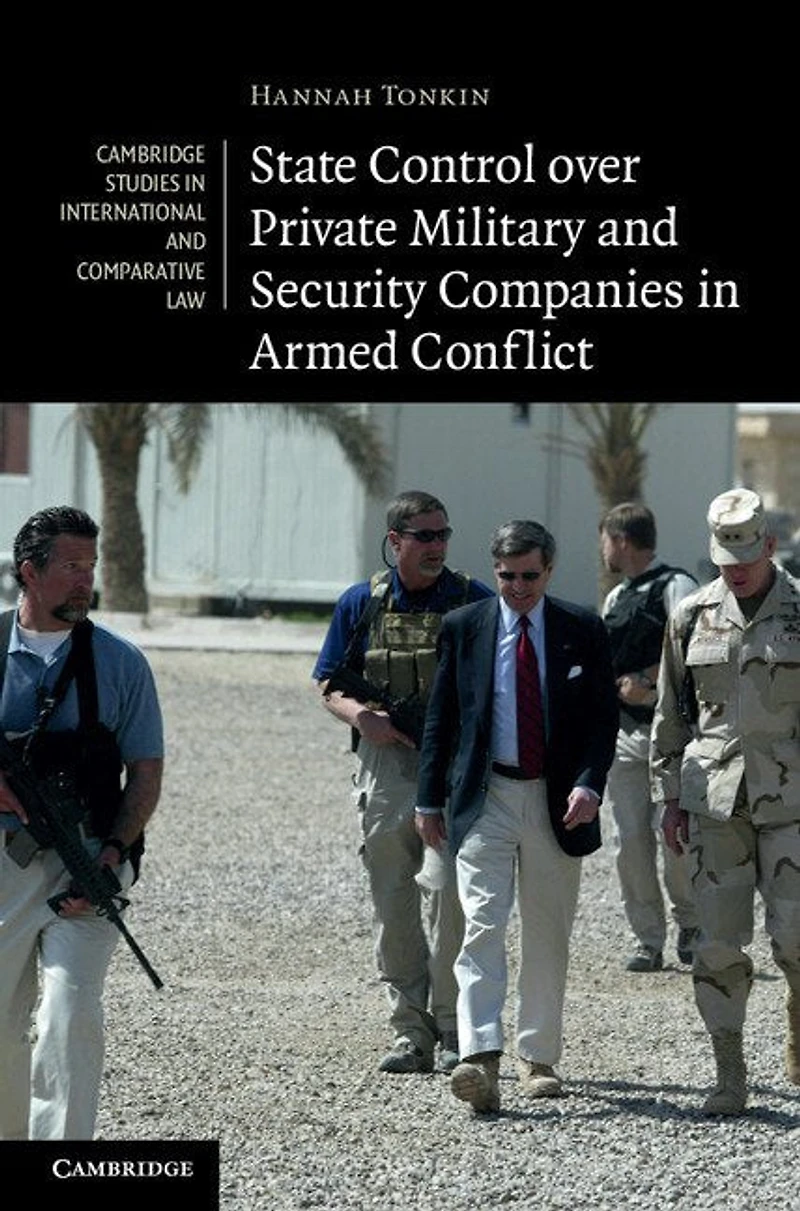
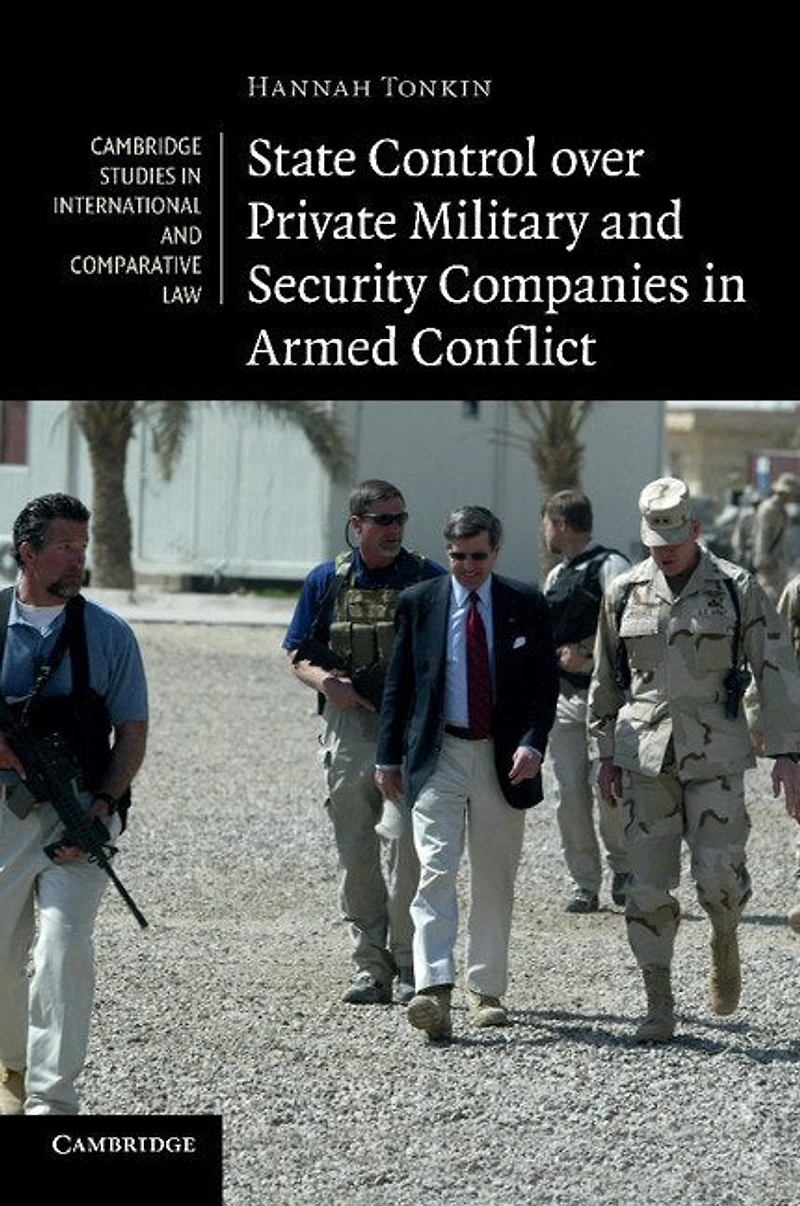
State Control over Private Military and Security Companies Armed Conflict in Ottawa, ON
Current price: $166.95

State Control over Private Military and Security Companies Armed Conflict in Ottawa, ON
Current price: $166.95
Loading Inventory...
Size: Hardcover
*Product information may vary - to confirm product availability, pricing, shipping and return information please contact Coles
The past two decades have witnessed the rapid proliferation of private military and security companies (PMSCs) in armed conflicts around the world, with PMSCs participating in, for example, offensive combat, prisoner interrogation and the provision of advice and training. The extensive outsourcing of military and security activities has challenged conventional conceptions of the state as the primary holder of coercive power and raised concerns about the reduction in state control over the use of violence. Hannah Tonkin critically analyses the international obligations on three key states – the hiring state, the home state and the host state of a PMSC – and identifies the circumstances in which PMSC misconduct may give rise to state responsibility. This analysis will facilitate the assessment of state responsibility in cases of PMSC misconduct and set standards to guide states in developing their domestic laws and policies on private security.
The past two decades have witnessed the rapid proliferation of private military and security companies (PMSCs) in armed conflicts around the world, with PMSCs participating in, for example, offensive combat, prisoner interrogation and the provision of advice and training. The extensive outsourcing of military and security activities has challenged conventional conceptions of the state as the primary holder of coercive power and raised concerns about the reduction in state control over the use of violence. Hannah Tonkin critically analyses the international obligations on three key states – the hiring state, the home state and the host state of a PMSC – and identifies the circumstances in which PMSC misconduct may give rise to state responsibility. This analysis will facilitate the assessment of state responsibility in cases of PMSC misconduct and set standards to guide states in developing their domestic laws and policies on private security.
You May Also Like







More About Coles at Bayshore Shopping Centre
Coles is renowned for its outstanding customer service and great selection of books. Along with the vast array of magazines, stationary, audio-books, children's literature, fiction, non-fiction and reference books, you can find accessories to make your reading experience more pleasurable. We can recommend the very best in reading today. We will help you search our titles for exactly what you need, and if we do not have it in stock, we will order it for you.
100 Bayshore Dr, Nepean, ON K2B 8C1, Canada
Find Coles at Bayshore Shopping Centre in Ottawa, ON
Visit Coles at Bayshore Shopping Centre in Ottawa, ON