

Give the Gift of Choice!
Too many options? Treat your friends and family to their favourite stores with a Bayshore Shopping Centre gift card, redeemable at participating retailers throughout the centre. Click below to purchase yours today!Purchase HereHome
States of Vulnerability: The Brain Drain of Future Talent to South Africa
Coles
Loading Inventory...
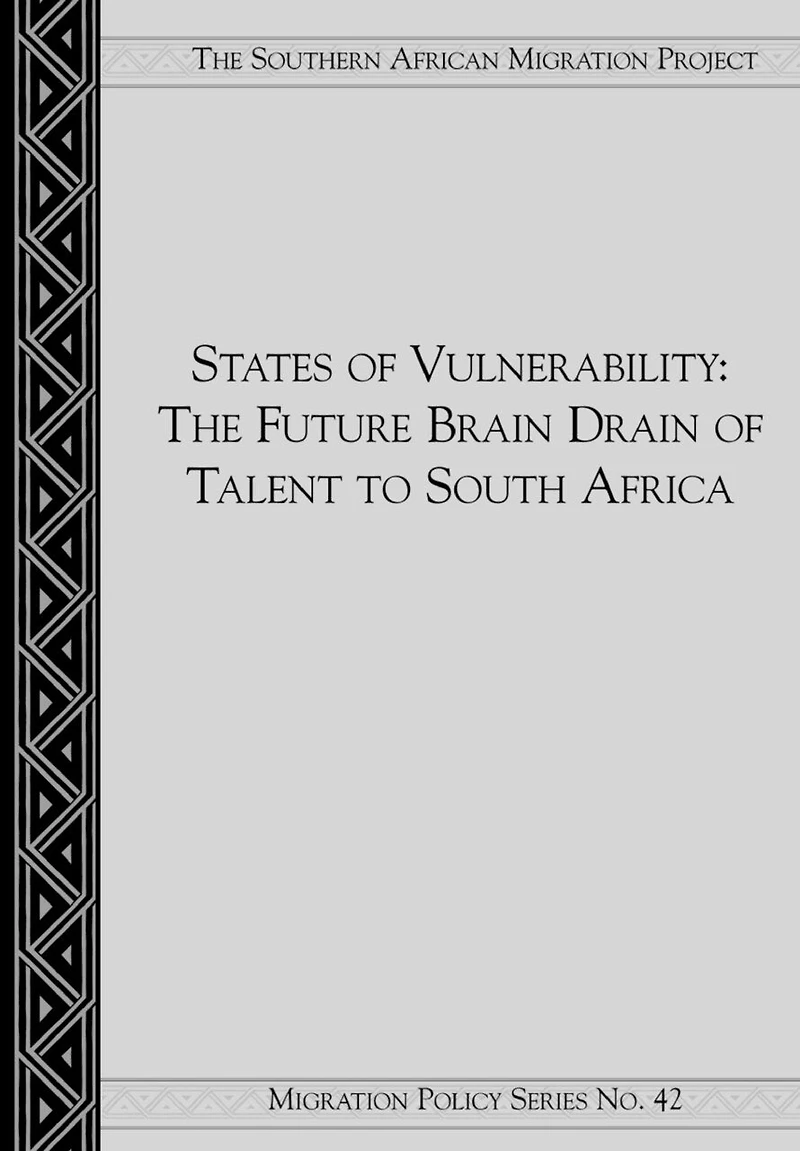
States of Vulnerability: The Brain Drain of Future Talent to South Africa in Ottawa, ON
Current price: $48.69

States of Vulnerability: The Brain Drain of Future Talent to South Africa in Ottawa, ON
Current price: $48.69
Loading Inventory...
Size: Paperback
*Product information may vary - to confirm product availability, pricing, shipping and return information please contact Coles
The 'brain drain', or skills emigration, is a major policy and research issues at national, regional and continental levels in Africa, trends having intensified in the 1980s and 1990s. The prevailing message is that only fundamental economic reform and improved quality of live will stem the search for employment overseas. To date however, the debate has been couched in binary terms: the South loses; the North gains. Brain drain within the South receives much less attention. To redress the balance, this study considers internal migration within the southern African sub-region, particularly in light of South African immigration policies. The report presents the results of a baseline study of potential skills in six SADC countries: Botswana, Lesotho, Swaziland and Namibia, South Africa and Zimbabwe. It illustrates how the poorest countries - Zimbabwe, Lesotho and Swaziland - are the likely losers. South Africa gains regionally, but is losing skilled citizens to the North. The study highlights the contradiction between tight national immigration policies and the wider political pressures for stronger regional integration, arguing thismay yet present the most promising contingency.
The 'brain drain', or skills emigration, is a major policy and research issues at national, regional and continental levels in Africa, trends having intensified in the 1980s and 1990s. The prevailing message is that only fundamental economic reform and improved quality of live will stem the search for employment overseas. To date however, the debate has been couched in binary terms: the South loses; the North gains. Brain drain within the South receives much less attention. To redress the balance, this study considers internal migration within the southern African sub-region, particularly in light of South African immigration policies. The report presents the results of a baseline study of potential skills in six SADC countries: Botswana, Lesotho, Swaziland and Namibia, South Africa and Zimbabwe. It illustrates how the poorest countries - Zimbabwe, Lesotho and Swaziland - are the likely losers. South Africa gains regionally, but is losing skilled citizens to the North. The study highlights the contradiction between tight national immigration policies and the wider political pressures for stronger regional integration, arguing thismay yet present the most promising contingency.
You May Also Like












More About Coles at Bayshore Shopping Centre
Coles is renowned for its outstanding customer service and great selection of books. Along with the vast array of magazines, stationary, audio-books, children's literature, fiction, non-fiction and reference books, you can find accessories to make your reading experience more pleasurable. We can recommend the very best in reading today. We will help you search our titles for exactly what you need, and if we do not have it in stock, we will order it for you.
100 Bayshore Dr, Nepean, ON K2B 8C1, Canada
Find Coles at Bayshore Shopping Centre in Ottawa, ON
Visit Coles at Bayshore Shopping Centre in Ottawa, ON