

Give the Gift of Choice!
Too many options? Treat your friends and family to their favourite stores with a Bayshore Shopping Centre gift card, redeemable at participating retailers throughout the centre. Click below to purchase yours today!Purchase HereHome
Still Not Safe: Patient Safety And The Middle-managing Of American Medicine
Coles
Loading Inventory...
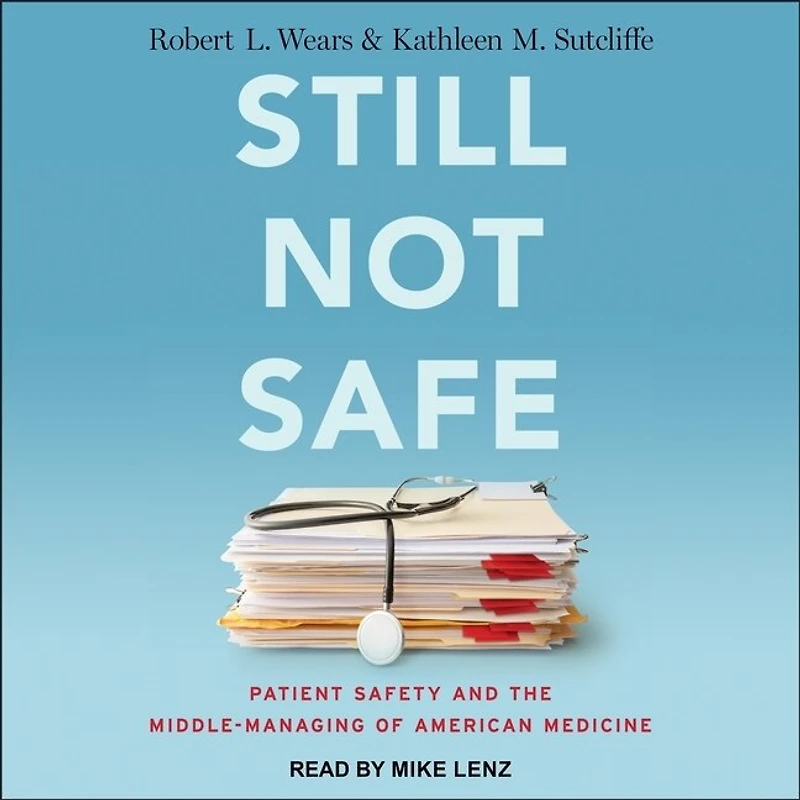
Still Not Safe: Patient Safety And The Middle-managing Of American Medicine in Ottawa, ON
Current price: $87.50

Still Not Safe: Patient Safety And The Middle-managing Of American Medicine in Ottawa, ON
Current price: $87.50
Loading Inventory...
Size: Audiobook (2020 A)
*Product information may vary - to confirm product availability, pricing, shipping and return information please contact Coles
Still Not Safe is the story of the rise of the patient-safety movement—and how an "epidemic" of medical errors was derived from a reality that didn't support such a characterization. Physician Robert Wears and organizational theorist Kathleen Sutcliffe trace the origins of patient safety to the emergence of market trends that challenged the place of doctors in the larger medical ecosystem: the rise in medical litigation and physicians' aversion to risk; institutional changes in the organization and control of healthcare; and a bureaucratic movement to "rationalize" medical practice—to make a hospital run like a factory. If these social factors challenged the place of practitioners, then the patient-safety movement provided a means for readjustment. In spite of relatively constant rates of medical errors in the preceding decades, the "epidemic" was announced in 1999 with the publication of the Institute of Medicine report To Err Is Human ; the reforms that followed came to be dominated by the very professions it set out to reform.
Still Not Safe is the story of the rise of the patient-safety movement—and how an "epidemic" of medical errors was derived from a reality that didn't support such a characterization. Physician Robert Wears and organizational theorist Kathleen Sutcliffe trace the origins of patient safety to the emergence of market trends that challenged the place of doctors in the larger medical ecosystem: the rise in medical litigation and physicians' aversion to risk; institutional changes in the organization and control of healthcare; and a bureaucratic movement to "rationalize" medical practice—to make a hospital run like a factory. If these social factors challenged the place of practitioners, then the patient-safety movement provided a means for readjustment. In spite of relatively constant rates of medical errors in the preceding decades, the "epidemic" was announced in 1999 with the publication of the Institute of Medicine report To Err Is Human ; the reforms that followed came to be dominated by the very professions it set out to reform.
You May Also Like











More About Coles at Bayshore Shopping Centre
Coles is renowned for its outstanding customer service and great selection of books. Along with the vast array of magazines, stationary, audio-books, children's literature, fiction, non-fiction and reference books, you can find accessories to make your reading experience more pleasurable. We can recommend the very best in reading today. We will help you search our titles for exactly what you need, and if we do not have it in stock, we will order it for you.
100 Bayshore Dr, Nepean, ON K2B 8C1, Canada
Find Coles at Bayshore Shopping Centre in Ottawa, ON
Visit Coles at Bayshore Shopping Centre in Ottawa, ON