

Give the Gift of Choice!
Too many options? Treat your friends and family to their favourite stores with a Bayshore Shopping Centre gift card, redeemable at participating retailers throughout the centre. Click below to purchase yours today!Purchase HereHome
Stolen Childhood, Second Edition: Slave Youth Nineteenth-century America
Coles
Loading Inventory...
Stolen Childhood, Second Edition: Slave Youth Nineteenth-century America in Ottawa, ON
Current price: $19.19
Original price: $23.99

Stolen Childhood, Second Edition: Slave Youth Nineteenth-century America in Ottawa, ON
Current price: $19.19
Original price: $23.99
Loading Inventory...
Size: Kobo eBook
*Product information may vary - to confirm product availability, pricing, shipping and return information please contact Coles
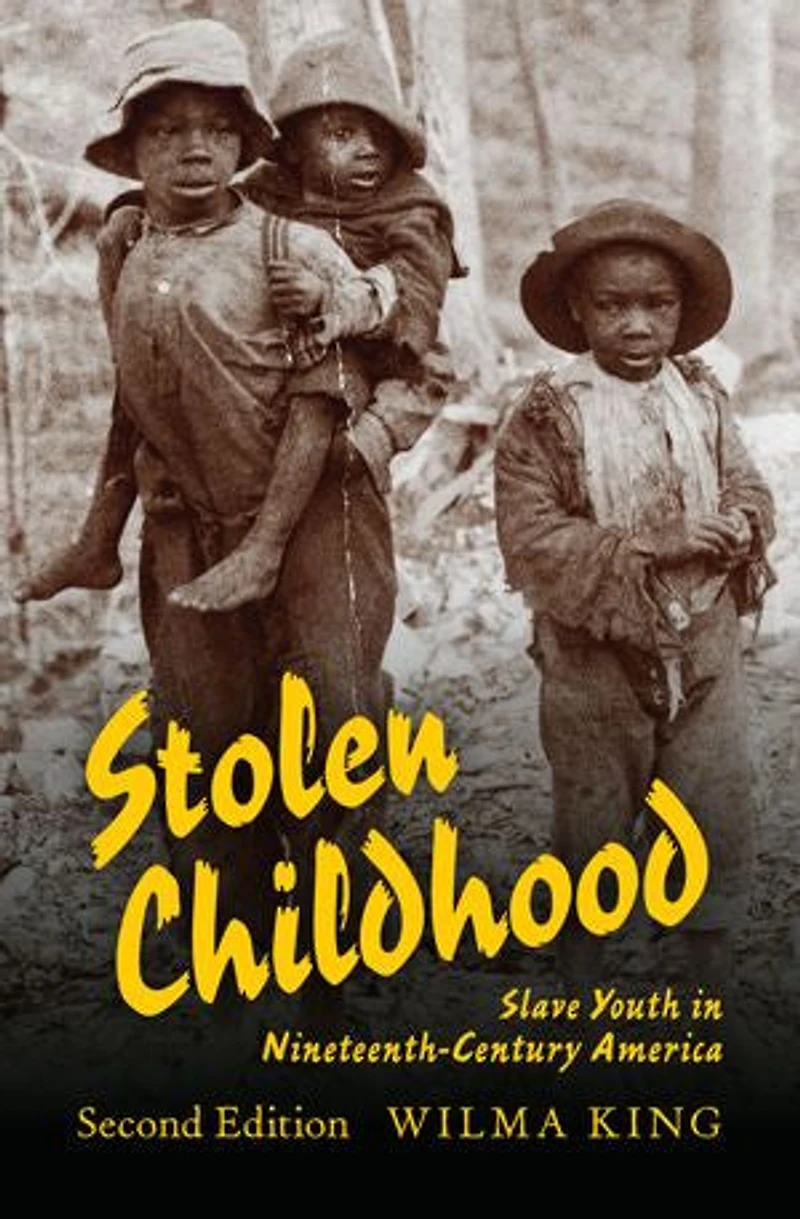
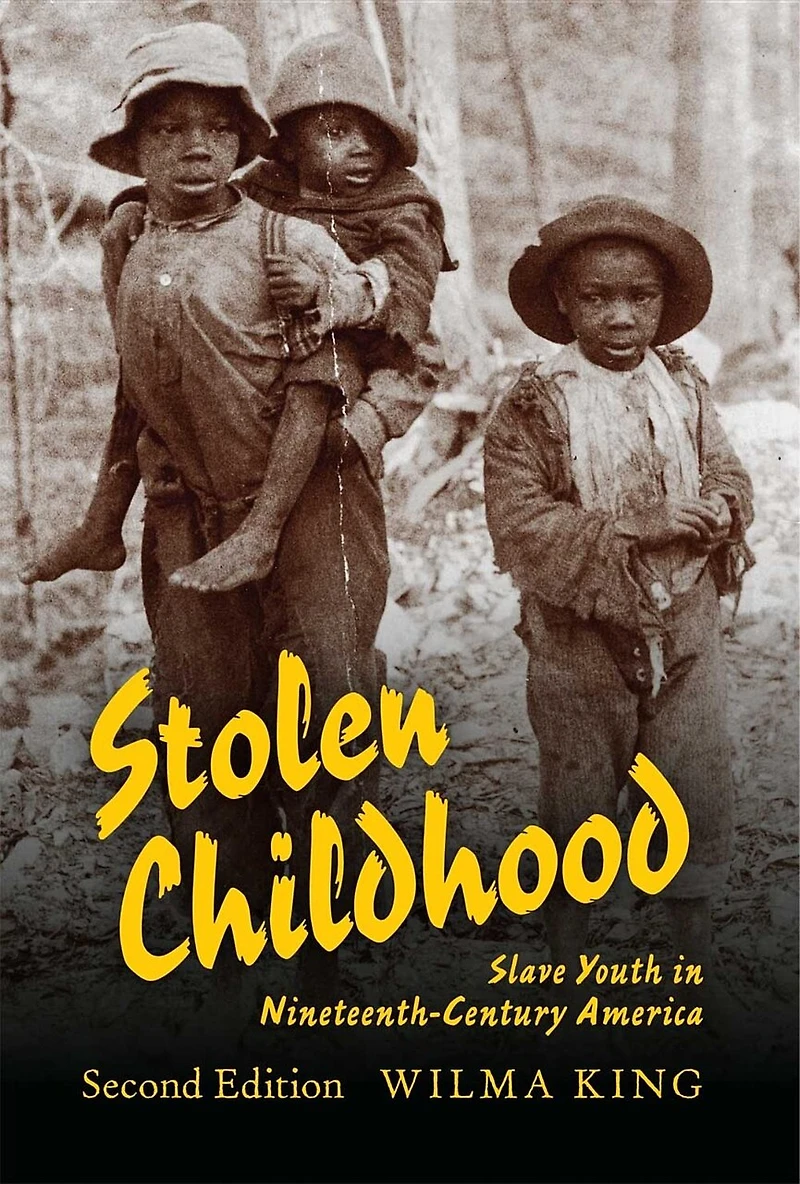
One of the most important books published on slave society, Stolen Childhood focuses on the millions of children and youth enslaved in 19th-century America. This enlarged and revised edition reflects the abundance of new scholarship on slavery that has emerged in the 15 years since the first edition. While the structure of the book remains the same, Wilma King has expanded its scope to include the international dimension with a new chapter on the transatlantic trade in African children, and the book''s geographic boundaries now embrace slave-born children in the North. She includes data about children owned by Native Americans and African Americans, and presents new information about children''s knowledge of and participation in the abolitionist movement and the interactions between enslaved and free children.
One of the most important books published on slave society, Stolen Childhood focuses on the millions of children and youth enslaved in 19th-century America. This enlarged and revised edition reflects the abundance of new scholarship on slavery that has emerged in the 15 years since the first edition. While the structure of the book remains the same, Wilma King has expanded its scope to include the international dimension with a new chapter on the transatlantic trade in African children, and the book''s geographic boundaries now embrace slave-born children in the North. She includes data about children owned by Native Americans and African Americans, and presents new information about children''s knowledge of and participation in the abolitionist movement and the interactions between enslaved and free children.
You May Also Like







More About Coles at Bayshore Shopping Centre
Coles is renowned for its outstanding customer service and great selection of books. Along with the vast array of magazines, stationary, audio-books, children's literature, fiction, non-fiction and reference books, you can find accessories to make your reading experience more pleasurable. We can recommend the very best in reading today. We will help you search our titles for exactly what you need, and if we do not have it in stock, we will order it for you.
100 Bayshore Dr, Nepean, ON K2B 8C1, Canada
Find Coles at Bayshore Shopping Centre in Ottawa, ON
Visit Coles at Bayshore Shopping Centre in Ottawa, ON