

Give the Gift of Choice!
Too many options? Treat your friends and family to their favourite stores with a Bayshore Shopping Centre gift card, redeemable at participating retailers throughout the centre. Click below to purchase yours today!Purchase HereHome
Strange Intimacies – Affect, Embodiment and Materiality in Virginia Woolf and Jean Rhys
Coles
Loading Inventory...
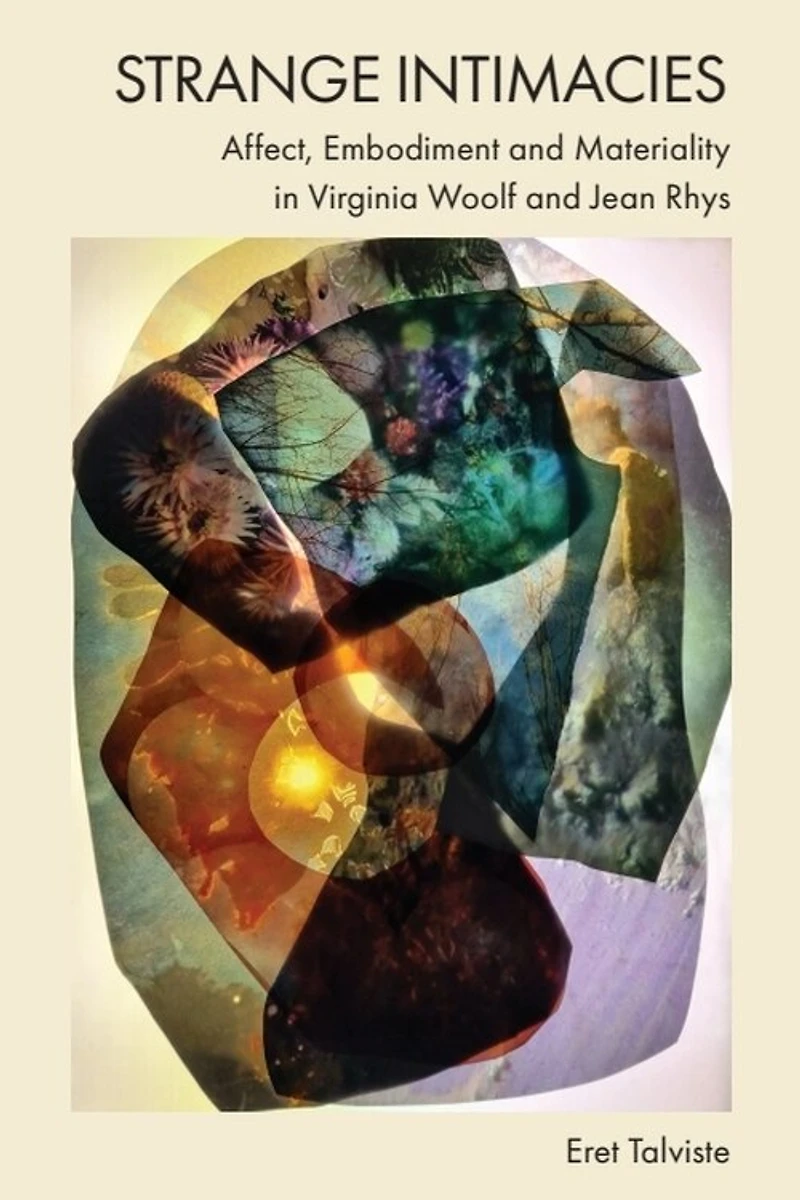
Strange Intimacies – Affect, Embodiment and Materiality in Virginia Woolf and Jean Rhys in Ottawa, ON
Current price: $155.99

Strange Intimacies – Affect, Embodiment and Materiality in Virginia Woolf and Jean Rhys in Ottawa, ON
Current price: $155.99
Loading Inventory...
Size: Hardcover
*Product information may vary - to confirm product availability, pricing, shipping and return information please contact Coles
This book explores how the novels by Virginia Woolf and Jean Rhys – To the Lighthouse (1927), The Waves (1931), Between the Acts (1941), After Leaving Mr Mackenzie (1930), Voyage in the Dark (1934) and Wide Sargasso Sea (1966) – maintain an attachment to and love for life amid disenchanting times of war and social change. Drawing from Woolf’s and Rhys’s personal writings and fictions, Talviste demonstrates that Woolf and Rhys locate this attachment to life in the moments and atmospheres of ‘strange intimacy’ – in sensual, affective and oddly intimate moments that function as cracks in the dominant patriarchal and imperial ideologies of Woolf’s and Rhys’s times. To theorise strange intimacy, this monograph rethinks the feminist works of Hélène Cixous, especially her attention to materiality, affect and embodiment, in the light of contemporary affect studies and new materialism.
This book explores how the novels by Virginia Woolf and Jean Rhys – To the Lighthouse (1927), The Waves (1931), Between the Acts (1941), After Leaving Mr Mackenzie (1930), Voyage in the Dark (1934) and Wide Sargasso Sea (1966) – maintain an attachment to and love for life amid disenchanting times of war and social change. Drawing from Woolf’s and Rhys’s personal writings and fictions, Talviste demonstrates that Woolf and Rhys locate this attachment to life in the moments and atmospheres of ‘strange intimacy’ – in sensual, affective and oddly intimate moments that function as cracks in the dominant patriarchal and imperial ideologies of Woolf’s and Rhys’s times. To theorise strange intimacy, this monograph rethinks the feminist works of Hélène Cixous, especially her attention to materiality, affect and embodiment, in the light of contemporary affect studies and new materialism.
You May Also Like











More About Coles at Bayshore Shopping Centre
Coles is renowned for its outstanding customer service and great selection of books. Along with the vast array of magazines, stationary, audio-books, children's literature, fiction, non-fiction and reference books, you can find accessories to make your reading experience more pleasurable. We can recommend the very best in reading today. We will help you search our titles for exactly what you need, and if we do not have it in stock, we will order it for you.
100 Bayshore Dr, Nepean, ON K2B 8C1, Canada
Find Coles at Bayshore Shopping Centre in Ottawa, ON
Visit Coles at Bayshore Shopping Centre in Ottawa, ON