

Give the Gift of Choice!
Too many options? Treat your friends and family to their favourite stores with a Bayshore Shopping Centre gift card, redeemable at participating retailers throughout the centre. Click below to purchase yours today!Purchase HereHome
Structure and Function of Plasma Proteins: Volume 1
Coles
Loading Inventory...
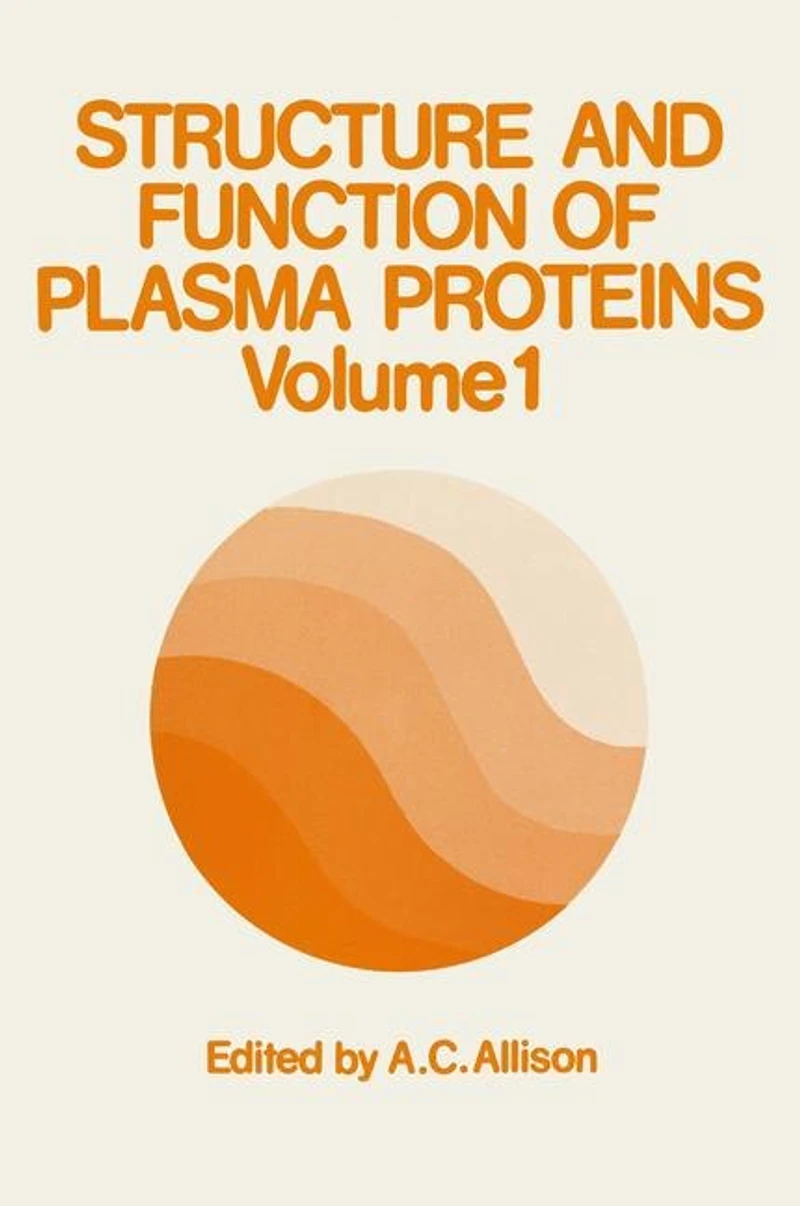
Structure and Function of Plasma Proteins: Volume 1 in Ottawa, ON
Current price: $80.50

Structure and Function of Plasma Proteins: Volume 1 in Ottawa, ON
Current price: $80.50
Loading Inventory...
Size: Paperback
*Product information may vary - to confirm product availability, pricing, shipping and return information please contact Coles
Plasma proteins are of interest from many points of view. Biochemists have separated and purified numerous plasma proteins and studied their physical properties, aminoacid composition and sequence, the carbohydrate components of some, and binding of metals, hormones and other materials. Much work has also been carried out on the synthesis, rates of turnover and degradation of plasma proteins. Many plasma proteins show inherited variations, some of which (e.g. those of heptoglobins and transferrins) are common in various human populations while others (e.g. absence of lipoproteins or im munoglobins) are rare but important because of their association with clinical syndromes. Since blood is the most accessible bodily con stituent, geneticists have made good use of serum protein differences as genetic markers in family and population studies. Physiologists have long been interested in plasma proteins in relation to colloid osmotic pressure, transport of lipids, iron, hormones and other materials, the activities of renal glomeruli and tubules, the function of the liver, and many other bodily activities. Plasma proteins are also widely studied in relation to malnutrition and undernutrition, particularly that associated with defective intake of protein.
Plasma proteins are of interest from many points of view. Biochemists have separated and purified numerous plasma proteins and studied their physical properties, aminoacid composition and sequence, the carbohydrate components of some, and binding of metals, hormones and other materials. Much work has also been carried out on the synthesis, rates of turnover and degradation of plasma proteins. Many plasma proteins show inherited variations, some of which (e.g. those of heptoglobins and transferrins) are common in various human populations while others (e.g. absence of lipoproteins or im munoglobins) are rare but important because of their association with clinical syndromes. Since blood is the most accessible bodily con stituent, geneticists have made good use of serum protein differences as genetic markers in family and population studies. Physiologists have long been interested in plasma proteins in relation to colloid osmotic pressure, transport of lipids, iron, hormones and other materials, the activities of renal glomeruli and tubules, the function of the liver, and many other bodily activities. Plasma proteins are also widely studied in relation to malnutrition and undernutrition, particularly that associated with defective intake of protein.
You May Also Like













More About Coles at Bayshore Shopping Centre
Coles is renowned for its outstanding customer service and great selection of books. Along with the vast array of magazines, stationary, audio-books, children's literature, fiction, non-fiction and reference books, you can find accessories to make your reading experience more pleasurable. We can recommend the very best in reading today. We will help you search our titles for exactly what you need, and if we do not have it in stock, we will order it for you.
100 Bayshore Dr, Nepean, ON K2B 8C1, Canada
Find Coles at Bayshore Shopping Centre in Ottawa, ON
Visit Coles at Bayshore Shopping Centre in Ottawa, ON