

Give the Gift of Choice!
Too many options? Treat your friends and family to their favourite stores with a Bayshore Shopping Centre gift card, redeemable at participating retailers throughout the centre. Click below to purchase yours today!Purchase HereHome
Struggle for the Street: Social Networks and Civil Rights Pittsburgh
Coles
Loading Inventory...
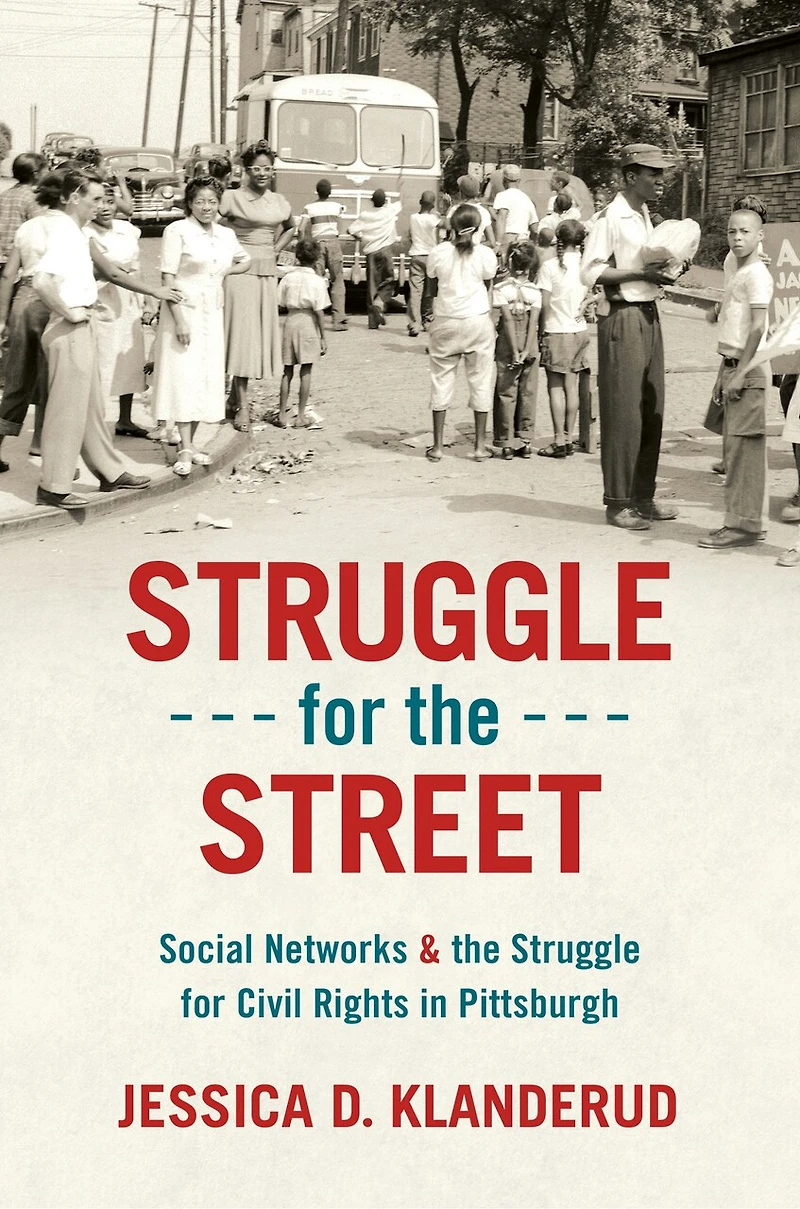
Struggle for the Street: Social Networks and Civil Rights Pittsburgh in Ottawa, ON
Current price: $141.95

Struggle for the Street: Social Networks and Civil Rights Pittsburgh in Ottawa, ON
Current price: $141.95
Loading Inventory...
Size: Hardcover
*Product information may vary - to confirm product availability, pricing, shipping and return information please contact Coles
Cities are nothing without the streets—the arteries through which goods, people, and ideas flow. Neighborhood by neighborhood, block by block, the city streets are where politics begins. In Struggle for the Street , Jessica D. Klanderud documents the development of class-based visions of political, social, and economic equality in Pittsburgh’s African American community between World War I and the early 1970s. Klanderud emphasizes how middle-class and working-class African Americans struggled over the appropriate uses and dominant meanings of street spaces in their neighborhoods as they collectively struggled to define equality.
In chapters that move from one community to the next, Klanderud tracks the transformation of tactics over time with a streets-eye view that reveals the coalescing alliances between neighbors and through space. Drawing on oral histories of neighborhood residents, Black newspapers, and papers from the NAACP and Urban League, this study reveals complex class negotiations in the struggle for civil rights at the street level.
Cities are nothing without the streets—the arteries through which goods, people, and ideas flow. Neighborhood by neighborhood, block by block, the city streets are where politics begins. In Struggle for the Street , Jessica D. Klanderud documents the development of class-based visions of political, social, and economic equality in Pittsburgh’s African American community between World War I and the early 1970s. Klanderud emphasizes how middle-class and working-class African Americans struggled over the appropriate uses and dominant meanings of street spaces in their neighborhoods as they collectively struggled to define equality.
In chapters that move from one community to the next, Klanderud tracks the transformation of tactics over time with a streets-eye view that reveals the coalescing alliances between neighbors and through space. Drawing on oral histories of neighborhood residents, Black newspapers, and papers from the NAACP and Urban League, this study reveals complex class negotiations in the struggle for civil rights at the street level.
You May Also Like








More About Coles at Bayshore Shopping Centre
Coles is renowned for its outstanding customer service and great selection of books. Along with the vast array of magazines, stationary, audio-books, children's literature, fiction, non-fiction and reference books, you can find accessories to make your reading experience more pleasurable. We can recommend the very best in reading today. We will help you search our titles for exactly what you need, and if we do not have it in stock, we will order it for you.
100 Bayshore Dr, Nepean, ON K2B 8C1, Canada
Find Coles at Bayshore Shopping Centre in Ottawa, ON
Visit Coles at Bayshore Shopping Centre in Ottawa, ON