

Give the Gift of Choice!
Too many options? Treat your friends and family to their favourite stores with a Bayshore Shopping Centre gift card, redeemable at participating retailers throughout the centre. Click below to purchase yours today!Purchase HereHome
Styles of Reasoning in the British Life Sciences: Shared Assumptions, 1820–1858
Coles
Loading Inventory...
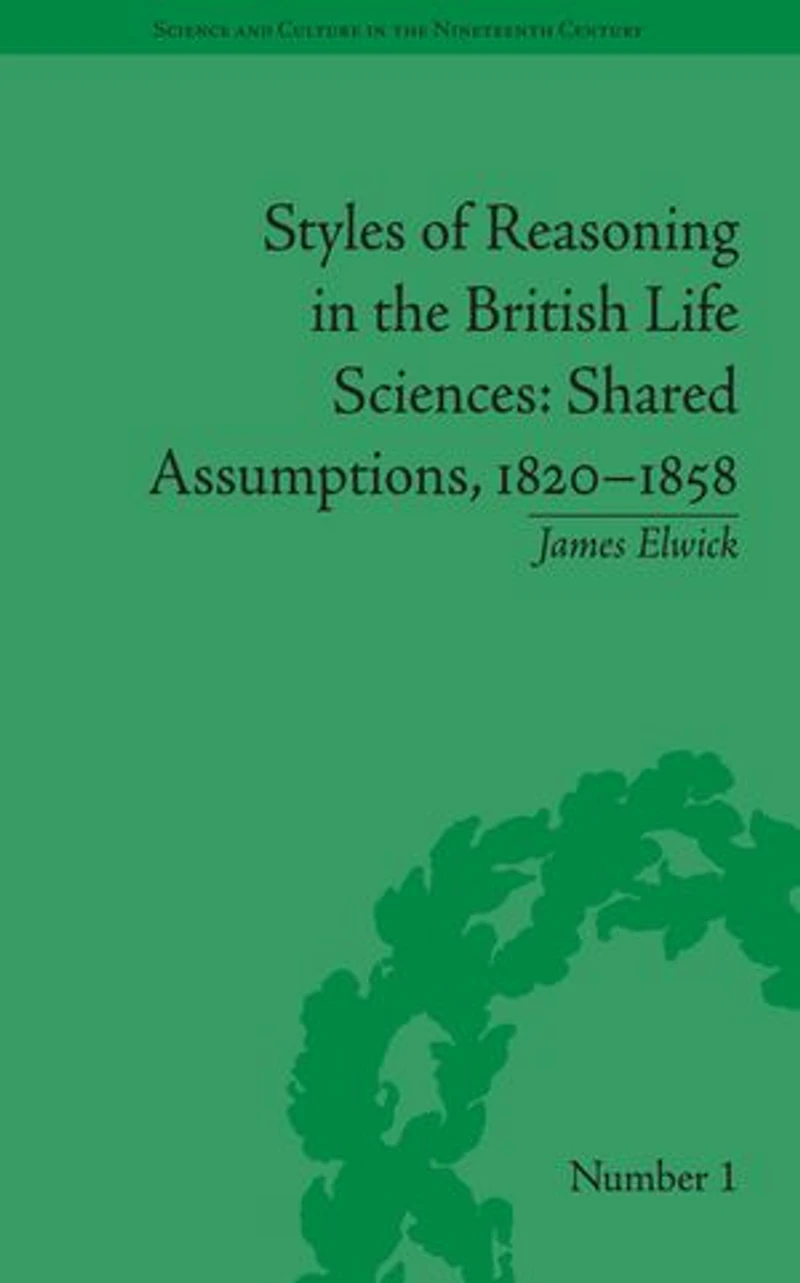
Styles of Reasoning in the British Life Sciences: Shared Assumptions, 1820–1858 in Ottawa, ON
Current price: $62.39
Original price: $77.99

Styles of Reasoning in the British Life Sciences: Shared Assumptions, 1820–1858 in Ottawa, ON
Current price: $62.39
Original price: $77.99
Loading Inventory...
Size: Kobo eBook
*Product information may vary - to confirm product availability, pricing, shipping and return information please contact Coles
Elwick explores how the concept of "compound individuality" brought together life scientists working in pre-Darwinian London. Scientists conducting research in comparative anatomy, physiology, cellular microscopy, embryology and the neurosciences repeatedly stated that plants and animals were compounds of smaller independent units. Discussion of a "bodily economy" was widespread. But by 1860, the most flamboyant discussions of compound individuality had come to an end in Britain. Elwick relates the growth and decline of questions about compound individuality to wider nineteenth-century debates about research standards and causality. He uses specific technical case studies to address overarching themes of reason and scientific method.
Elwick explores how the concept of "compound individuality" brought together life scientists working in pre-Darwinian London. Scientists conducting research in comparative anatomy, physiology, cellular microscopy, embryology and the neurosciences repeatedly stated that plants and animals were compounds of smaller independent units. Discussion of a "bodily economy" was widespread. But by 1860, the most flamboyant discussions of compound individuality had come to an end in Britain. Elwick relates the growth and decline of questions about compound individuality to wider nineteenth-century debates about research standards and causality. He uses specific technical case studies to address overarching themes of reason and scientific method.
You May Also Like













More About Coles at Bayshore Shopping Centre
Coles is renowned for its outstanding customer service and great selection of books. Along with the vast array of magazines, stationary, audio-books, children's literature, fiction, non-fiction and reference books, you can find accessories to make your reading experience more pleasurable. We can recommend the very best in reading today. We will help you search our titles for exactly what you need, and if we do not have it in stock, we will order it for you.
100 Bayshore Dr, Nepean, ON K2B 8C1, Canada
Find Coles at Bayshore Shopping Centre in Ottawa, ON
Visit Coles at Bayshore Shopping Centre in Ottawa, ON