

Give the Gift of Choice!
Too many options? Treat your friends and family to their favourite stores with a Bayshore Shopping Centre gift card, redeemable at participating retailers throughout the centre. Click below to purchase yours today!Purchase HereHome
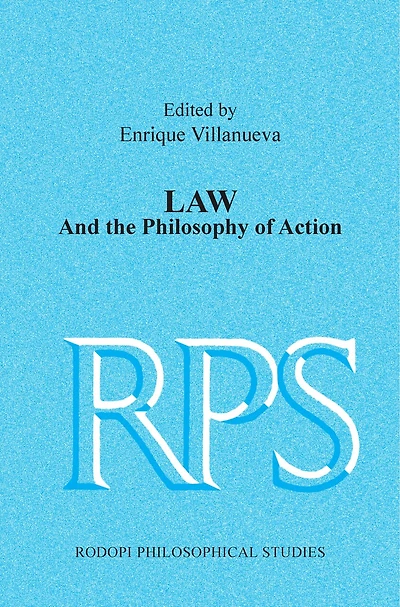
Subject of Injustice: Political Action, Law and Empowerment
Coles
Loading Inventory...

Subject of Injustice: Political Action, Law and Empowerment in Ottawa, ON
Current price: $222.50

Subject of Injustice: Political Action, Law and Empowerment in Ottawa, ON
Current price: $222.50
Loading Inventory...
Size: Hardcover
*Product information may vary - to confirm product availability, pricing, shipping and return information please contact Coles
Normative and communitarian traditions define justice either as abstraction or as concretization, and in terms of either universal reason or of particular identity. In both cases, the archetypal morphology of the rule of law reproduces essentially the same representational schema, in which the singular, and concrete, event of injustice is denied any theoretical value. In response, this book aims to think from this event; giving voice to those cast outside of the accepted categories, the excluded and outlawed, the insurgents and rebels. These subjects of injustice articulate subjectivity beyond empty abstraction and forced concretization, yet by being radically indeterminate, they prevent it from becoming hegemonic. As such, they express a principle of unfounded hope, which in turn underwrites the redemptive power at the heart of political justice. Here, then, the event of injustice is considered as a constitutive, and indeed revolutionary, moment which nevertheless demands to be transformed into a constitutional one. And it is in its theorization of law from such an event that this book offers an original account, not of the creation of victims, but of the ways in which the experience of injustice can empower the vulnerable.
Normative and communitarian traditions define justice either as abstraction or as concretization, and in terms of either universal reason or of particular identity. In both cases, the archetypal morphology of the rule of law reproduces essentially the same representational schema, in which the singular, and concrete, event of injustice is denied any theoretical value. In response, this book aims to think from this event; giving voice to those cast outside of the accepted categories, the excluded and outlawed, the insurgents and rebels. These subjects of injustice articulate subjectivity beyond empty abstraction and forced concretization, yet by being radically indeterminate, they prevent it from becoming hegemonic. As such, they express a principle of unfounded hope, which in turn underwrites the redemptive power at the heart of political justice. Here, then, the event of injustice is considered as a constitutive, and indeed revolutionary, moment which nevertheless demands to be transformed into a constitutional one. And it is in its theorization of law from such an event that this book offers an original account, not of the creation of victims, but of the ways in which the experience of injustice can empower the vulnerable.
You May Also Like












More About Coles at Bayshore Shopping Centre
Coles is renowned for its outstanding customer service and great selection of books. Along with the vast array of magazines, stationary, audio-books, children's literature, fiction, non-fiction and reference books, you can find accessories to make your reading experience more pleasurable. We can recommend the very best in reading today. We will help you search our titles for exactly what you need, and if we do not have it in stock, we will order it for you.
100 Bayshore Dr, Nepean, ON K2B 8C1, Canada
Find Coles at Bayshore Shopping Centre in Ottawa, ON
Visit Coles at Bayshore Shopping Centre in Ottawa, ON