

Give the Gift of Choice!
Too many options? Treat your friends and family to their favourite stores with a Bayshore Shopping Centre gift card, redeemable at participating retailers throughout the centre. Click below to purchase yours today!Purchase HereHome
Subjectivity and Decolonisation the Post-Independence Novel Film
Coles
Loading Inventory...
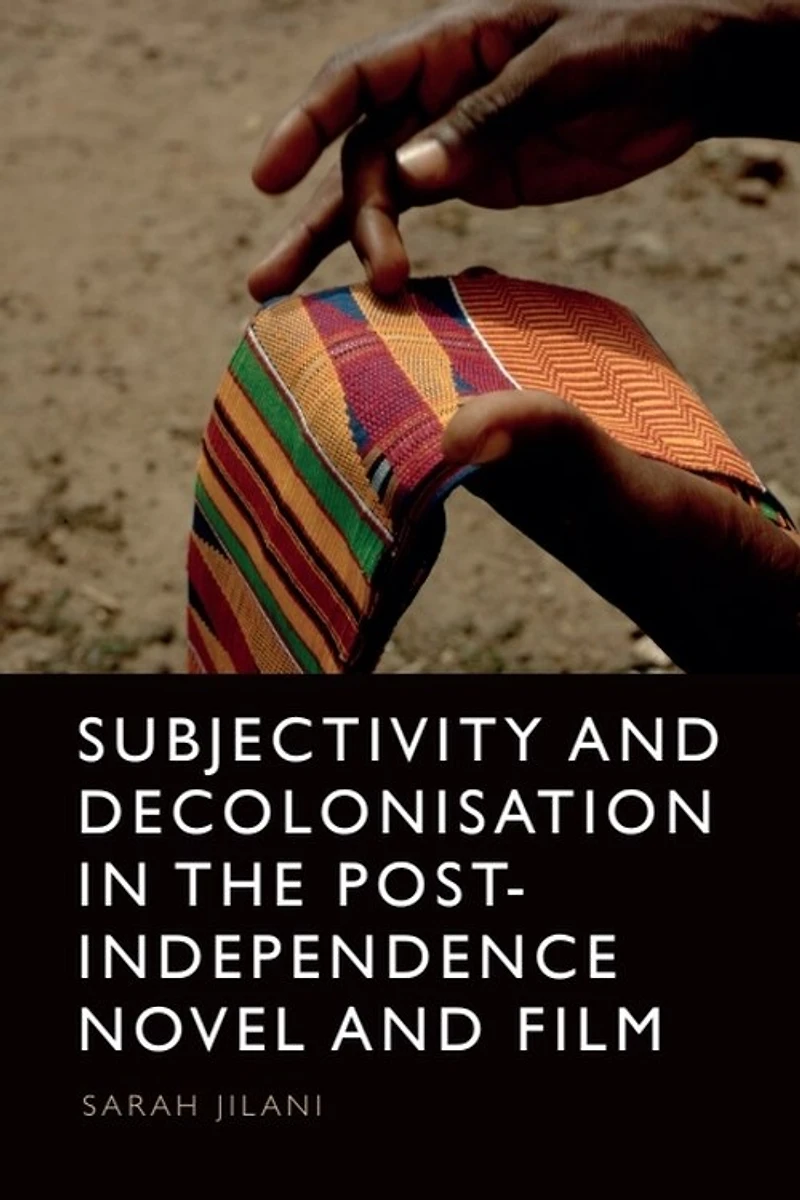
Subjectivity and Decolonisation the Post-Independence Novel Film in Ottawa, ON
Current price: $145.88

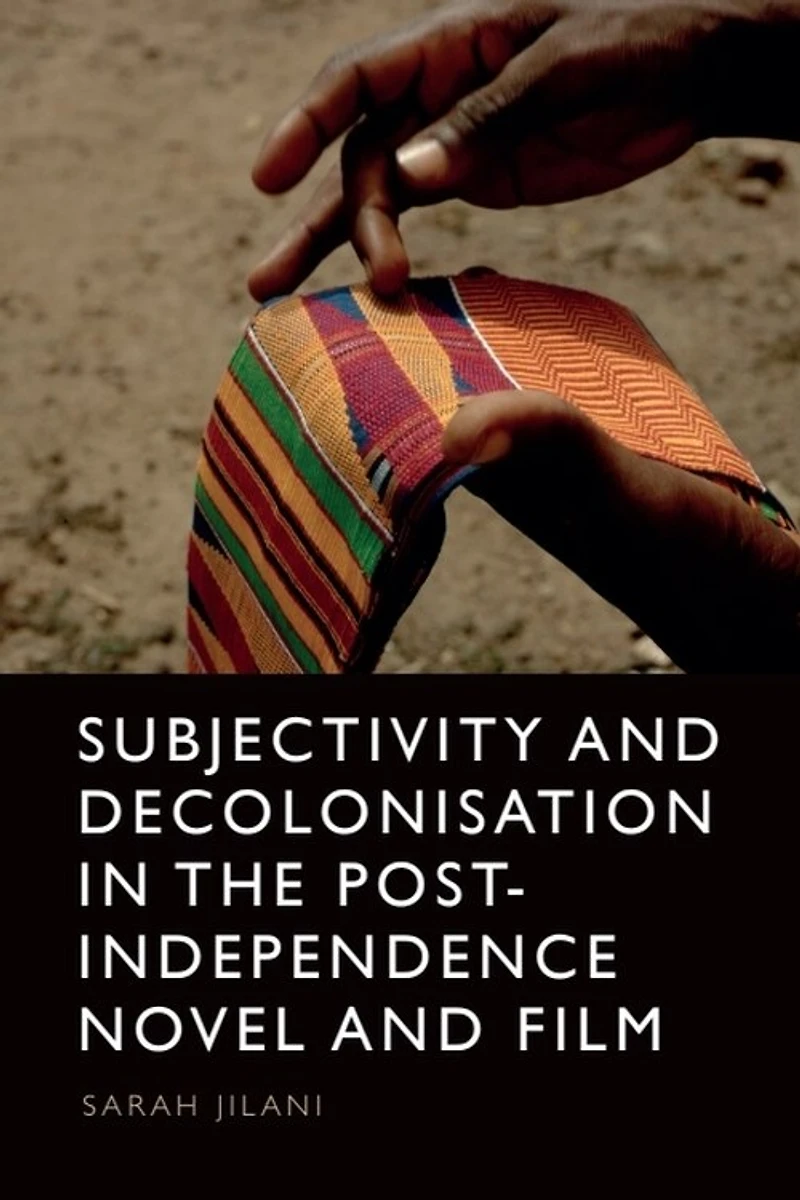
Subjectivity and Decolonisation the Post-Independence Novel Film in Ottawa, ON
Current price: $145.88
Loading Inventory...
Size: Hardcover
*Product information may vary - to confirm product availability, pricing, shipping and return information please contact Coles
The decades following the independences from colonialism saw a pioneering generation of realist novels and films emerge across Africa and South Asia. They told stories of people living through national circumstances fast diverging from the promises of decolonisation.
Subjectivity and Decolonisation in the Post-Independence Novel and Film explores how post-independence texts critique their own political conditions by choosing to narrate a different, but related, problem – that which Ngugi wa Thiong’o once called ‘decolonising the mind’. Guided by the psycho-political thought of Frantz Fanon, who maps a dialectical relationship between decolonisation and the self, this book considers how eight well known and less studied works from the 1950s–1980s. Together, they help us understand how the transformation of subjectivities is a materially consequential process that sits squarely within the broader, unfinished project that is decolonisation.
The decades following the independences from colonialism saw a pioneering generation of realist novels and films emerge across Africa and South Asia. They told stories of people living through national circumstances fast diverging from the promises of decolonisation.
Subjectivity and Decolonisation in the Post-Independence Novel and Film explores how post-independence texts critique their own political conditions by choosing to narrate a different, but related, problem – that which Ngugi wa Thiong’o once called ‘decolonising the mind’. Guided by the psycho-political thought of Frantz Fanon, who maps a dialectical relationship between decolonisation and the self, this book considers how eight well known and less studied works from the 1950s–1980s. Together, they help us understand how the transformation of subjectivities is a materially consequential process that sits squarely within the broader, unfinished project that is decolonisation.
You May Also Like














More About Coles at Bayshore Shopping Centre
Coles is renowned for its outstanding customer service and great selection of books. Along with the vast array of magazines, stationary, audio-books, children's literature, fiction, non-fiction and reference books, you can find accessories to make your reading experience more pleasurable. We can recommend the very best in reading today. We will help you search our titles for exactly what you need, and if we do not have it in stock, we will order it for you.
100 Bayshore Dr, Nepean, ON K2B 8C1, Canada
Find Coles at Bayshore Shopping Centre in Ottawa, ON
Visit Coles at Bayshore Shopping Centre in Ottawa, ON