

Give the Gift of Choice!
Too many options? Treat your friends and family to their favourite stores with a Bayshore Shopping Centre gift card, redeemable at participating retailers throughout the centre. Click below to purchase yours today!Purchase HereHome
Supranational Citizenship and the Challenge of Diversity: Immigrants, Citizens and Member States in the EU
Coles
Loading Inventory...
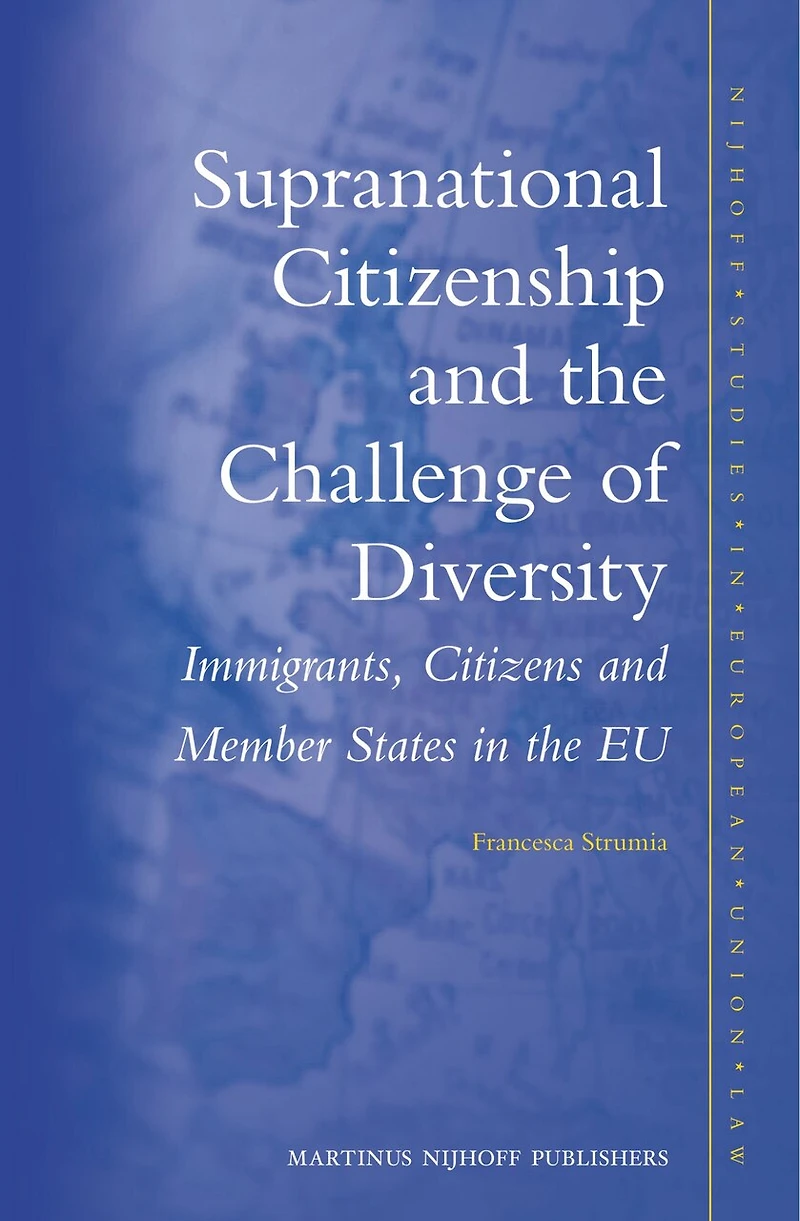
Supranational Citizenship and the Challenge of Diversity: Immigrants, Citizens and Member States in the EU in Ottawa, ON
Current price: $232.99

Supranational Citizenship and the Challenge of Diversity: Immigrants, Citizens and Member States in the EU in Ottawa, ON
Current price: $232.99
Loading Inventory...
Size: Hardcover
*Product information may vary - to confirm product availability, pricing, shipping and return information please contact Coles
In Supranational Citizenship and the Challenge of Diversity Francesca Strumia explores the potential of European citizenship as a legal construct, and as a marker of group boundaries, for filtering internal and external diversities in the European Union. Adopting comparative federalism methodology, and drawing on insights from the international relations literature on the diffusion of norms, the author questions the impact of European citizenship on insider/outsider divides in the EU, as experienced by immigrants, set by member states and perceived by “native” citizens. The book proposes a novel argument about supranational citizenship as mutual recognition of belonging. This argument has important implications for the constitution of insider/outsider divides and for the reconciliation of multiple levels of diversity in the EU.
In Supranational Citizenship and the Challenge of Diversity Francesca Strumia explores the potential of European citizenship as a legal construct, and as a marker of group boundaries, for filtering internal and external diversities in the European Union. Adopting comparative federalism methodology, and drawing on insights from the international relations literature on the diffusion of norms, the author questions the impact of European citizenship on insider/outsider divides in the EU, as experienced by immigrants, set by member states and perceived by “native” citizens. The book proposes a novel argument about supranational citizenship as mutual recognition of belonging. This argument has important implications for the constitution of insider/outsider divides and for the reconciliation of multiple levels of diversity in the EU.
You May Also Like

















More About Coles at Bayshore Shopping Centre
Coles is renowned for its outstanding customer service and great selection of books. Along with the vast array of magazines, stationary, audio-books, children's literature, fiction, non-fiction and reference books, you can find accessories to make your reading experience more pleasurable. We can recommend the very best in reading today. We will help you search our titles for exactly what you need, and if we do not have it in stock, we will order it for you.
100 Bayshore Dr, Nepean, ON K2B 8C1, Canada
Find Coles at Bayshore Shopping Centre in Ottawa, ON
Visit Coles at Bayshore Shopping Centre in Ottawa, ON