

Give the Gift of Choice!
Too many options? Treat your friends and family to their favourite stores with a Bayshore Shopping Centre gift card, redeemable at participating retailers throughout the centre. Click below to purchase yours today!Purchase HereHome
Sustainable Water-Food Nexus: Circular Economy, Water Management, Sustainable Agriculture
Coles
Loading Inventory...
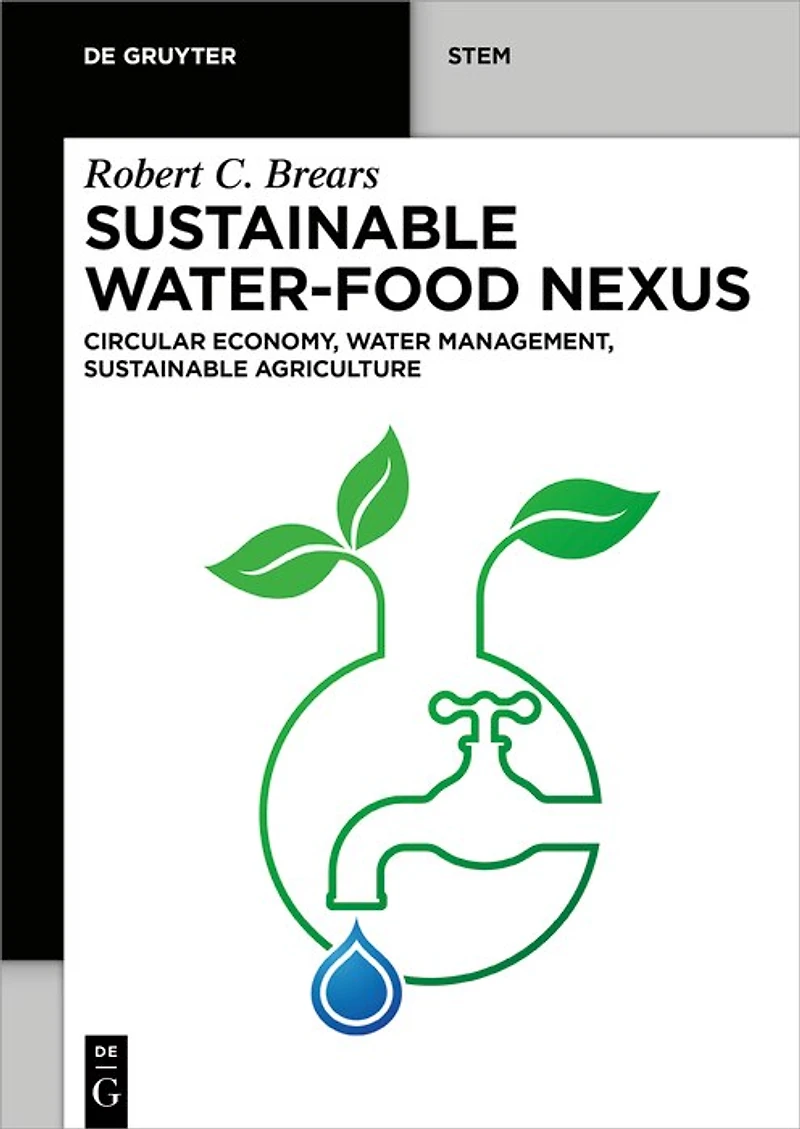
Sustainable Water-Food Nexus: Circular Economy, Water Management, Sustainable Agriculture in Ottawa, ON
Current price: $156.99

Sustainable Water-Food Nexus: Circular Economy, Water Management, Sustainable Agriculture in Ottawa, ON
Current price: $156.99
Loading Inventory...
Size: Paperback
*Product information may vary - to confirm product availability, pricing, shipping and return information please contact Coles
As we navigate an era defined by a pressing need for sustainable resource management, Circular Economy: Navigating the Water-Food Nexus for Sustainable Futures serves as a much-needed guide. The book dives deep into the intertwined relationship between food and water systems in the context of a circular economy, a model that aims for the elimination of waste and the continual use of resources. It starts by defining the landscape of the water-food nexus and the circular economy, painting a comprehensive picture of these two critical concepts and their symbiotic relationship. Further, it delves into the pillars of the water-food nexus, offering insights into sustainable agriculture practices, water conservation, and recycling methods within a circular economy framework. The narrative doesn't stop there; it broadens the scope to embrace emerging technologies and innovations, emphasizing their role in shaping the future of the circular water-food economy. Urban agriculture, a trend gaining momentum in metropolitan landscapes, is discussed as a key player in adopting circular practices. Alongside, it sheds light on investment strategies and partnerships crucial for driving the transition towards a circular economy in the water-food nexus. The book also discusses the policy and regulatory landscape, highlighting the need for sound governance and inclusive policies. Circular Economy: Navigating the Water-Food Nexus for Sustainable Futures concludes with a selection of best practices and forecasts of future trends, outlining possible paths towards a sustainable, circular water-food future. With its exhaustive exploration of the water-food nexus, the book stands as an essential resource for researchers, policymakers, and sustainability advocates seeking to contribute to this critical transition.
As we navigate an era defined by a pressing need for sustainable resource management, Circular Economy: Navigating the Water-Food Nexus for Sustainable Futures serves as a much-needed guide. The book dives deep into the intertwined relationship between food and water systems in the context of a circular economy, a model that aims for the elimination of waste and the continual use of resources. It starts by defining the landscape of the water-food nexus and the circular economy, painting a comprehensive picture of these two critical concepts and their symbiotic relationship. Further, it delves into the pillars of the water-food nexus, offering insights into sustainable agriculture practices, water conservation, and recycling methods within a circular economy framework. The narrative doesn't stop there; it broadens the scope to embrace emerging technologies and innovations, emphasizing their role in shaping the future of the circular water-food economy. Urban agriculture, a trend gaining momentum in metropolitan landscapes, is discussed as a key player in adopting circular practices. Alongside, it sheds light on investment strategies and partnerships crucial for driving the transition towards a circular economy in the water-food nexus. The book also discusses the policy and regulatory landscape, highlighting the need for sound governance and inclusive policies. Circular Economy: Navigating the Water-Food Nexus for Sustainable Futures concludes with a selection of best practices and forecasts of future trends, outlining possible paths towards a sustainable, circular water-food future. With its exhaustive exploration of the water-food nexus, the book stands as an essential resource for researchers, policymakers, and sustainability advocates seeking to contribute to this critical transition.
You May Also Like








More About Coles at Bayshore Shopping Centre
Coles is renowned for its outstanding customer service and great selection of books. Along with the vast array of magazines, stationary, audio-books, children's literature, fiction, non-fiction and reference books, you can find accessories to make your reading experience more pleasurable. We can recommend the very best in reading today. We will help you search our titles for exactly what you need, and if we do not have it in stock, we will order it for you.
100 Bayshore Dr, Nepean, ON K2B 8C1, Canada
Find Coles at Bayshore Shopping Centre in Ottawa, ON
Visit Coles at Bayshore Shopping Centre in Ottawa, ON