

Give the Gift of Choice!
Too many options? Treat your friends and family to their favourite stores with a Bayshore Shopping Centre gift card, redeemable at participating retailers throughout the centre. Click below to purchase yours today!Purchase HereHome
Swahili Spaces of War: A Sociolinguistic Odyssey
Coles
Loading Inventory...
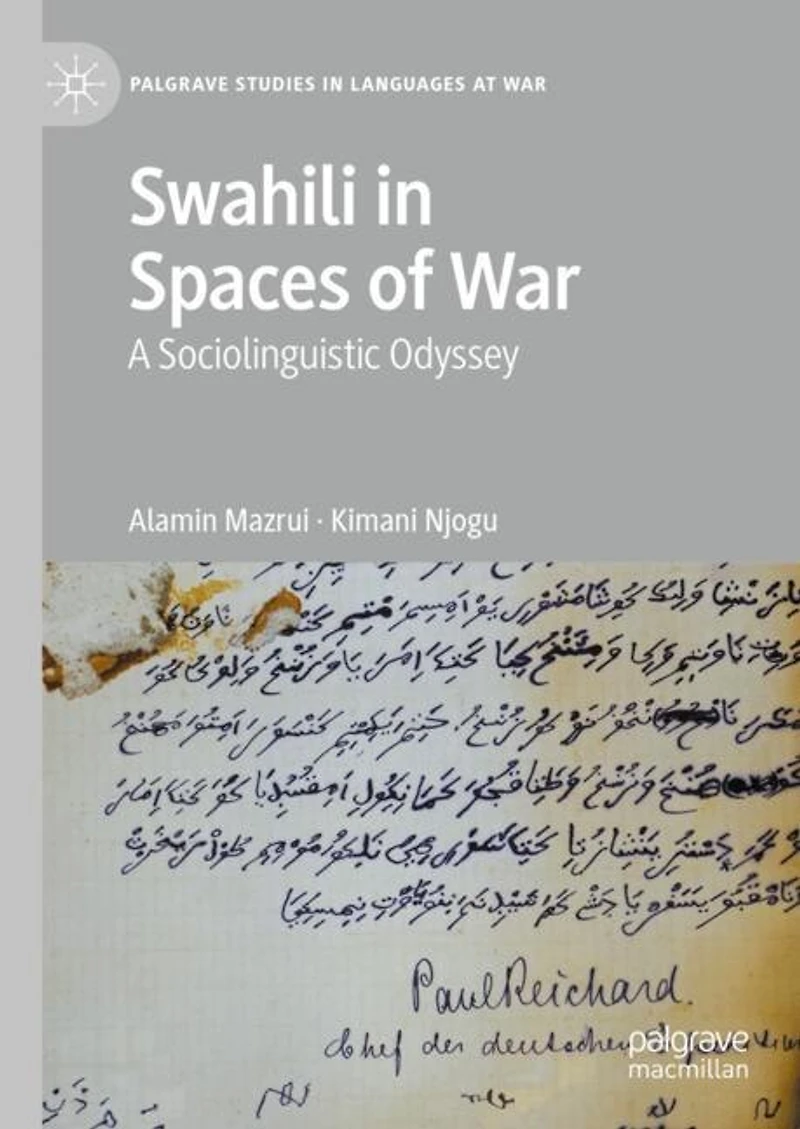
Swahili Spaces of War: A Sociolinguistic Odyssey in Ottawa, ON
Current price: $189.95

Swahili Spaces of War: A Sociolinguistic Odyssey in Ottawa, ON
Current price: $189.95
Loading Inventory...
Size: Hardcover
*Product information may vary - to confirm product availability, pricing, shipping and return information please contact Coles
This monograph examines the roles and functions of Swahili in war/conflict situations, and the impact of wars on the destiny of the language. Covering a period of over a century, the monograph explores this sociolinguistic theme in the context of six wars/conflicts: the Maji Maji resistance against German rule, the two World Wars, the anti-colonial resistance to British colonialism, the wars of the Great Lakes region, the cold wars, and the ongoing war against terrorism. In geographical focus, some of the war situations explored here are "local," others are "transnational," and others still rather "global" in scope and ramifications. In the final analysis, the monograph provides important snapshots of the conflict-based history of the Swahili language, demonstrating once again that language is a malleable tool that can be appropriated and galvanized to serve the interests of either party in a conflict and sometimes as a means of creating hegemonic and anti-hegemonic meanings.
This monograph examines the roles and functions of Swahili in war/conflict situations, and the impact of wars on the destiny of the language. Covering a period of over a century, the monograph explores this sociolinguistic theme in the context of six wars/conflicts: the Maji Maji resistance against German rule, the two World Wars, the anti-colonial resistance to British colonialism, the wars of the Great Lakes region, the cold wars, and the ongoing war against terrorism. In geographical focus, some of the war situations explored here are "local," others are "transnational," and others still rather "global" in scope and ramifications. In the final analysis, the monograph provides important snapshots of the conflict-based history of the Swahili language, demonstrating once again that language is a malleable tool that can be appropriated and galvanized to serve the interests of either party in a conflict and sometimes as a means of creating hegemonic and anti-hegemonic meanings.
You May Also Like









More About Coles at Bayshore Shopping Centre
Coles is renowned for its outstanding customer service and great selection of books. Along with the vast array of magazines, stationary, audio-books, children's literature, fiction, non-fiction and reference books, you can find accessories to make your reading experience more pleasurable. We can recommend the very best in reading today. We will help you search our titles for exactly what you need, and if we do not have it in stock, we will order it for you.
100 Bayshore Dr, Nepean, ON K2B 8C1, Canada
Find Coles at Bayshore Shopping Centre in Ottawa, ON
Visit Coles at Bayshore Shopping Centre in Ottawa, ON