

Give the Gift of Choice!
Too many options? Treat your friends and family to their favourite stores with a Bayshore Shopping Centre gift card, redeemable at participating retailers throughout the centre. Click below to purchase yours today!Purchase HereHome
Swami Vivekananda's Vedantic Cosmopolitanism
Coles
Loading Inventory...
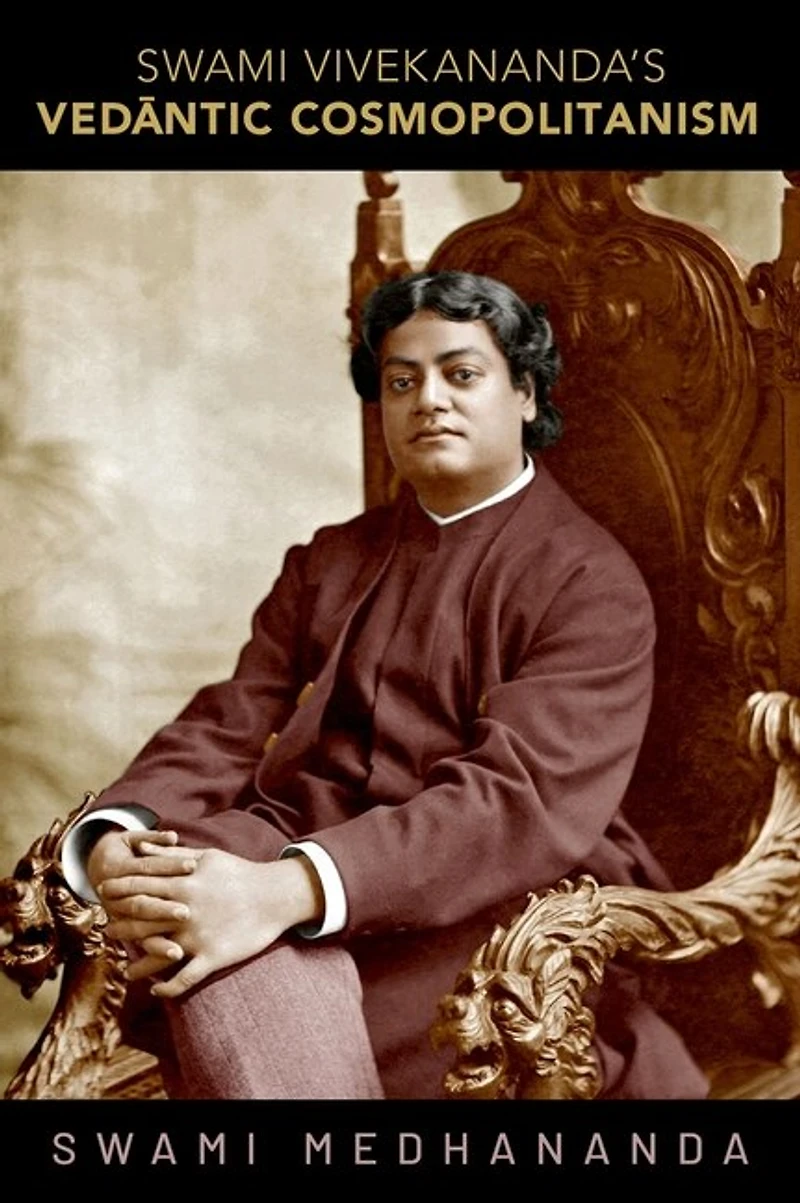
Swami Vivekananda's Vedantic Cosmopolitanism in Ottawa, ON
Current price: $108.95

Swami Vivekananda's Vedantic Cosmopolitanism in Ottawa, ON
Current price: $108.95
Loading Inventory...
Size: Hardcover
*Product information may vary - to confirm product availability, pricing, shipping and return information please contact Coles
Swami Vivekananda, the nineteenth-century Hindu monk who introduced Vedanta to the West, is undoubtedly one of modern India's most influential philosophers. Unfortunately, his philosophy has too often been interpreted through reductive hermeneutic lenses. Typically, scholars have viewed him either as a modern-day exponent of Sankara's Advaita Vedanta or as a "Neo-Vedantin" influenced more by Western ideas than indigenous Indian traditions. In Swami Vivekananda's Vedantic Cosmopolitanism, Swami Medhananda rejects these prevailing approaches to offer a new interpretation of Vivekananda's philosophy, highlighting its originality, contemporary relevance, and cross-cultural significance. Vivekananda, the book argues, is best understood as a cosmopolitan Vedantin who developed novel philosophical positions through creative dialectical engagement with both Indian and Western thinkers.
Inspired by his guru Sri Ramakrishna, Vivekananda reconceived Advaita Vedanta as a nonsectarian, life-affirming philosophy that provides an ontological basis for religious cosmopolitanism and a spiritual ethics of social service. He defended the scientific credentials of religion while criticizing the climate of scientism beginning to develop in the late nineteenth century. He was also one of the first philosophers to defend the evidential value of supersensuous perception on the basis of general epistemic principles. Finally, he adopted innovative cosmopolitan approaches to long-standing philosophical problems. Bringing him into dialogue with numerous philosophers past and present, Medhananda demonstrates the sophistication and enduring value of Vivekananda's views on the limits of reason, the dynamics of religious faith, and the hard problem of consciousness.
Swami Vivekananda, the nineteenth-century Hindu monk who introduced Vedanta to the West, is undoubtedly one of modern India's most influential philosophers. Unfortunately, his philosophy has too often been interpreted through reductive hermeneutic lenses. Typically, scholars have viewed him either as a modern-day exponent of Sankara's Advaita Vedanta or as a "Neo-Vedantin" influenced more by Western ideas than indigenous Indian traditions. In Swami Vivekananda's Vedantic Cosmopolitanism, Swami Medhananda rejects these prevailing approaches to offer a new interpretation of Vivekananda's philosophy, highlighting its originality, contemporary relevance, and cross-cultural significance. Vivekananda, the book argues, is best understood as a cosmopolitan Vedantin who developed novel philosophical positions through creative dialectical engagement with both Indian and Western thinkers.
Inspired by his guru Sri Ramakrishna, Vivekananda reconceived Advaita Vedanta as a nonsectarian, life-affirming philosophy that provides an ontological basis for religious cosmopolitanism and a spiritual ethics of social service. He defended the scientific credentials of religion while criticizing the climate of scientism beginning to develop in the late nineteenth century. He was also one of the first philosophers to defend the evidential value of supersensuous perception on the basis of general epistemic principles. Finally, he adopted innovative cosmopolitan approaches to long-standing philosophical problems. Bringing him into dialogue with numerous philosophers past and present, Medhananda demonstrates the sophistication and enduring value of Vivekananda's views on the limits of reason, the dynamics of religious faith, and the hard problem of consciousness.
You May Also Like

















More About Coles at Bayshore Shopping Centre
Coles is renowned for its outstanding customer service and great selection of books. Along with the vast array of magazines, stationary, audio-books, children's literature, fiction, non-fiction and reference books, you can find accessories to make your reading experience more pleasurable. We can recommend the very best in reading today. We will help you search our titles for exactly what you need, and if we do not have it in stock, we will order it for you.
100 Bayshore Dr, Nepean, ON K2B 8C1, Canada
Find Coles at Bayshore Shopping Centre in Ottawa, ON
Visit Coles at Bayshore Shopping Centre in Ottawa, ON