

Give the Gift of Choice!
Too many options? Treat your friends and family to their favourite stores with a Bayshore Shopping Centre gift card, redeemable at participating retailers throughout the centre. Click below to purchase yours today!Purchase HereHome
System, Actor, and Process: Keywords Organization Studies
Coles
Loading Inventory...
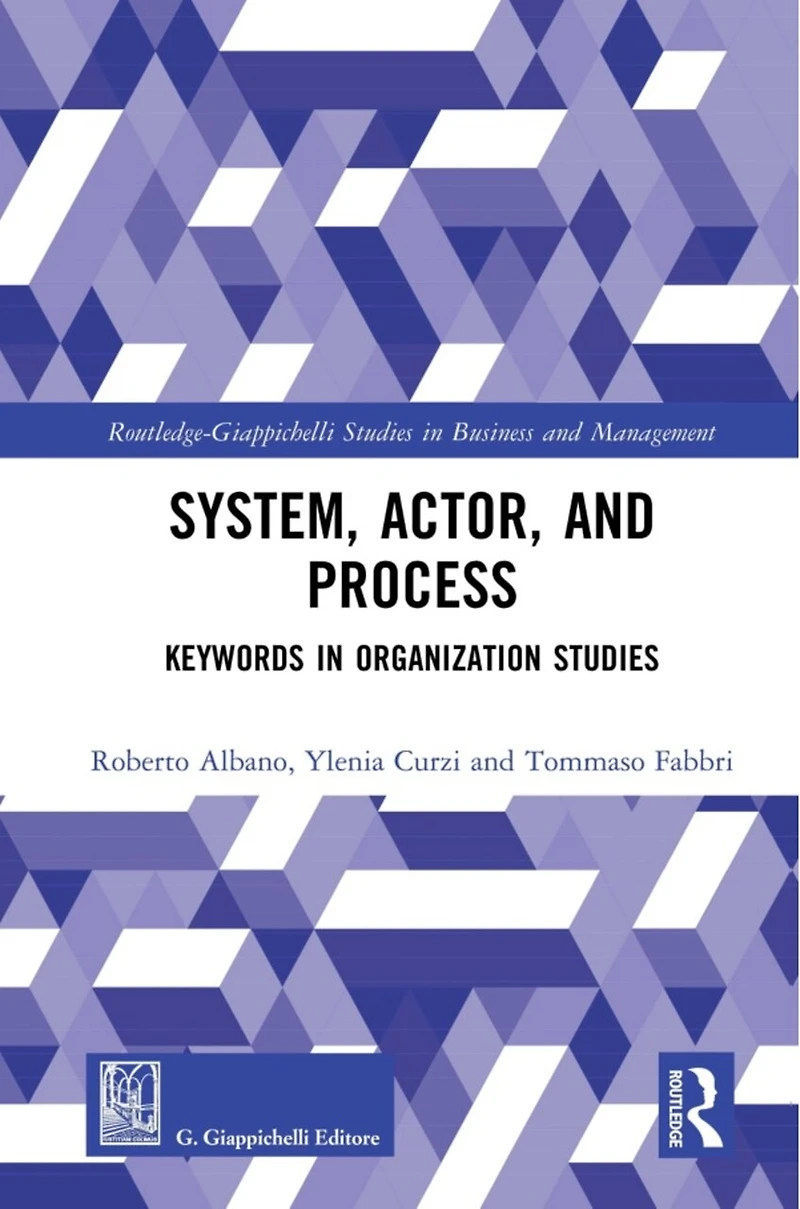
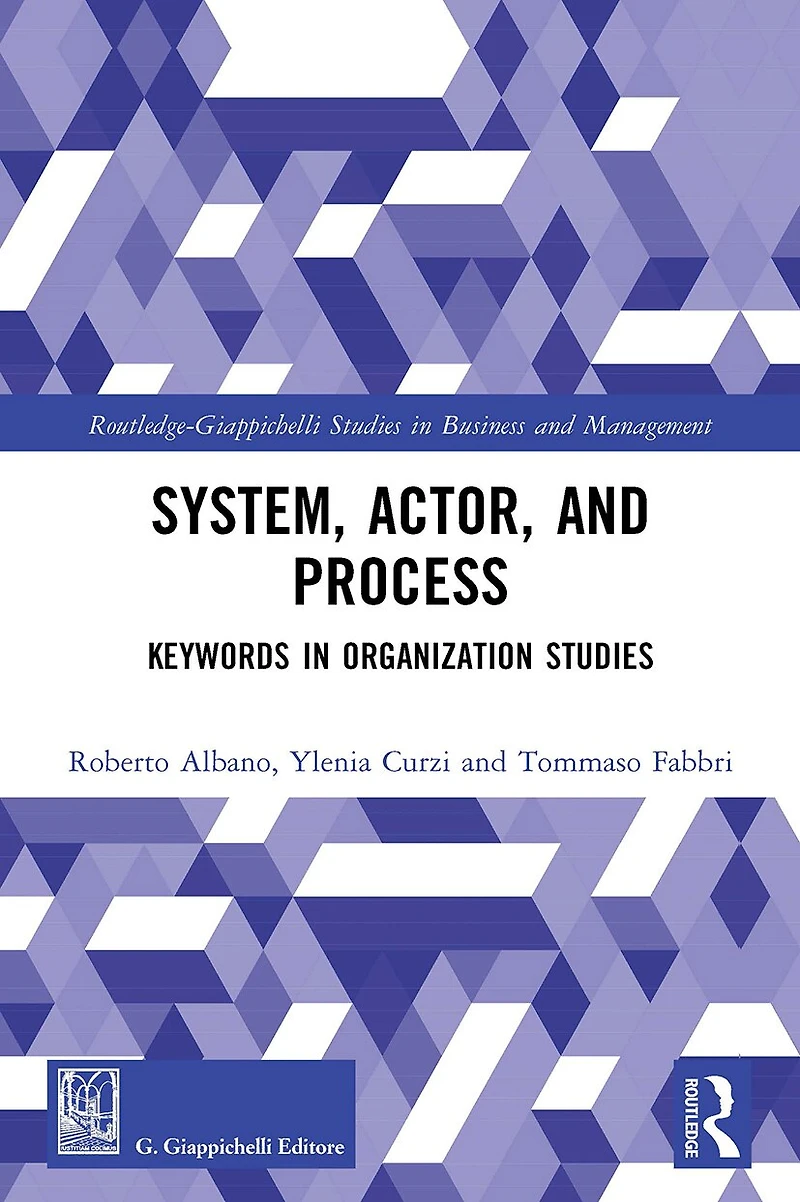
System, Actor, and Process: Keywords Organization Studies in Ottawa, ON
Current price: $296.50

System, Actor, and Process: Keywords Organization Studies in Ottawa, ON
Current price: $296.50
Loading Inventory...
Size: Hardcover
*Product information may vary - to confirm product availability, pricing, shipping and return information please contact Coles
System, Actor and Process: Keywords in Organization Studies is intended as an epistemological 'compass' to navigate through the multifaceted key concepts typically used in organizational practice and research. The book illustrates thirty-four keywords using a tripartite structure: each keyword is briefly discussed from three points of view, namely the system-centered, actor-centered and process-centered conception of organization, which reflects the options emerging from contemporary epistemological debate in organizational studies and, more generally, in social sciences, namely objectivism, subjectivism, and the Weberian "third way". Primarily addressed to researchers and academics in organization studies, this book is also a useful resource for undergraduate or postgraduate students, for whom it may represent a thorough introduction to organizational concepts. It will also be a valuable tool for managers to apply in their everyday practice.
System, Actor and Process: Keywords in Organization Studies is intended as an epistemological 'compass' to navigate through the multifaceted key concepts typically used in organizational practice and research. The book illustrates thirty-four keywords using a tripartite structure: each keyword is briefly discussed from three points of view, namely the system-centered, actor-centered and process-centered conception of organization, which reflects the options emerging from contemporary epistemological debate in organizational studies and, more generally, in social sciences, namely objectivism, subjectivism, and the Weberian "third way". Primarily addressed to researchers and academics in organization studies, this book is also a useful resource for undergraduate or postgraduate students, for whom it may represent a thorough introduction to organizational concepts. It will also be a valuable tool for managers to apply in their everyday practice.
You May Also Like









More About Coles at Bayshore Shopping Centre
Coles is renowned for its outstanding customer service and great selection of books. Along with the vast array of magazines, stationary, audio-books, children's literature, fiction, non-fiction and reference books, you can find accessories to make your reading experience more pleasurable. We can recommend the very best in reading today. We will help you search our titles for exactly what you need, and if we do not have it in stock, we will order it for you.
100 Bayshore Dr, Nepean, ON K2B 8C1, Canada
Find Coles at Bayshore Shopping Centre in Ottawa, ON
Visit Coles at Bayshore Shopping Centre in Ottawa, ON