

Give the Gift of Choice!
Too many options? Treat your friends and family to their favourite stores with a Bayshore Shopping Centre gift card, redeemable at participating retailers throughout the centre. Click below to purchase yours today!Purchase HereHome
Tai Ji Foundations
Coles
Loading Inventory...
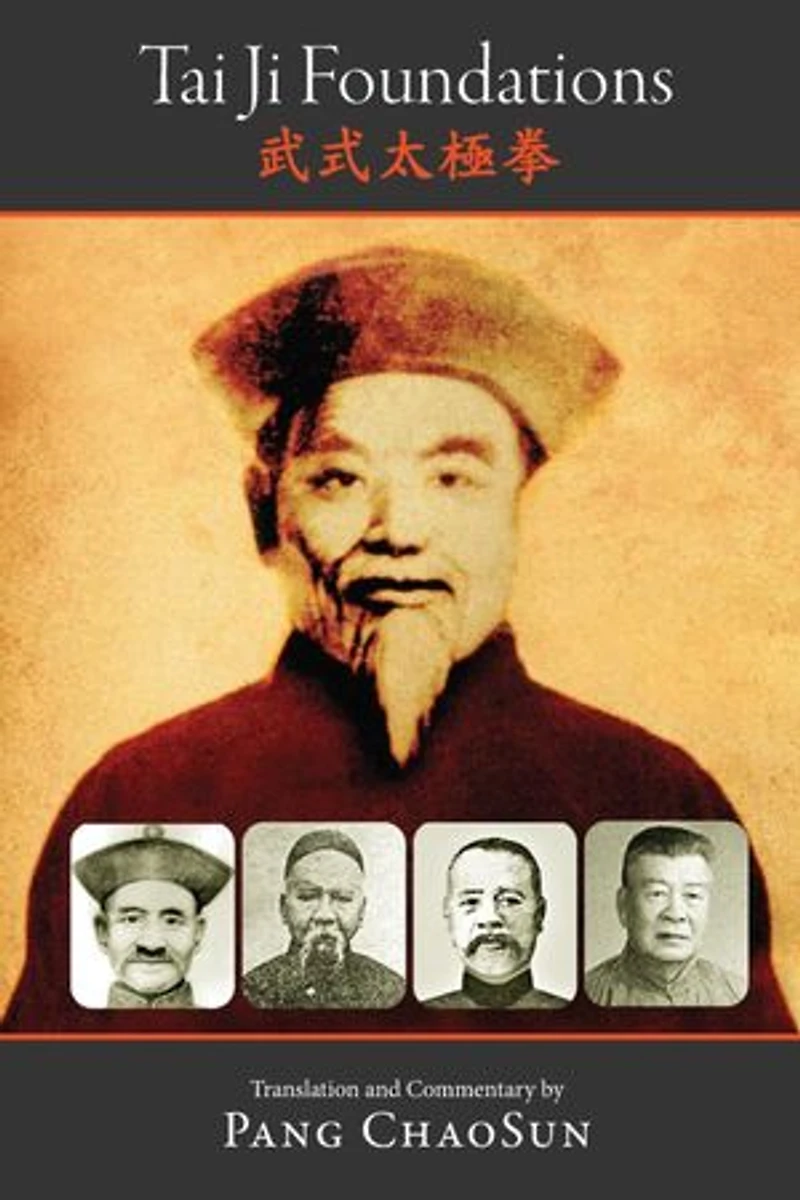
Tai Ji Foundations in Ottawa, ON
Current price: $8.69
Original price: $9.99

Tai Ji Foundations in Ottawa, ON
Current price: $8.69
Original price: $9.99
Loading Inventory...
Size: Kobo eBook
*Product information may vary - to confirm product availability, pricing, shipping and return information please contact Coles
Tai Ji Foundations contains a collection of written works from five generations of Wu Hao Tai Ji Quan masters. Although Wu Hao Tai Ji Quan is the least well known of the major schools of Tai Ji, many of the foundational texts of all schools of Tai Ji had their origin in the writings of the masters of the Wu Hao tradition. These include Wu YuXiang's collection of Wang ZongYue's Tai Ji manuscripts; Wu YuXiang's own writing explaining the Thirteen Principles; and Li YiYu's Five Keywords Formula. These texts provide a wealth of knowledge, both theoretical and practical, that is known to the entire Tai Ji community, regardless of what style is being studied. They suggest ways to approach some of the more difficult and intriguing Principles such as: "Leading four ounces to defeat a thousand pounds"; "Qi sinks to the Dan Tian"; "Leading to emptiness, borrow force to strike back", and many more. The information was first written down in the late 1800's and shared with the Yang family. It was later published by Hao ShaoRu in the 1960's in his book Wu Style Tai Ji Quan. It has since been widely adopted by the wider Tai Ji community and by practitioners of other internal martial arts. Even as the principles become better known, very few know the original source of the teachings. Sometimes these teachings might even be wrongly attributed to other authors and are often quoted without knowledge of the full context. This book attempts to rectify this situation by publishing the older classics in their entirety in both Chinese and English. This will allow Tai Ji enthusiasts to appreciate the original works as well as help them gain new insights for their own personal practice. This book also includes three generations of the Hao family's innovative learning concepts as they pertain to the art of Tai Ji Quan. I have practiced Wu Hao Tai Ji with the current Master, Liu JiShun for well over a decade and hope this book will provide an insider's view that is closer to the founders' original intent in its translation and commentary.
Tai Ji Foundations contains a collection of written works from five generations of Wu Hao Tai Ji Quan masters. Although Wu Hao Tai Ji Quan is the least well known of the major schools of Tai Ji, many of the foundational texts of all schools of Tai Ji had their origin in the writings of the masters of the Wu Hao tradition. These include Wu YuXiang's collection of Wang ZongYue's Tai Ji manuscripts; Wu YuXiang's own writing explaining the Thirteen Principles; and Li YiYu's Five Keywords Formula. These texts provide a wealth of knowledge, both theoretical and practical, that is known to the entire Tai Ji community, regardless of what style is being studied. They suggest ways to approach some of the more difficult and intriguing Principles such as: "Leading four ounces to defeat a thousand pounds"; "Qi sinks to the Dan Tian"; "Leading to emptiness, borrow force to strike back", and many more. The information was first written down in the late 1800's and shared with the Yang family. It was later published by Hao ShaoRu in the 1960's in his book Wu Style Tai Ji Quan. It has since been widely adopted by the wider Tai Ji community and by practitioners of other internal martial arts. Even as the principles become better known, very few know the original source of the teachings. Sometimes these teachings might even be wrongly attributed to other authors and are often quoted without knowledge of the full context. This book attempts to rectify this situation by publishing the older classics in their entirety in both Chinese and English. This will allow Tai Ji enthusiasts to appreciate the original works as well as help them gain new insights for their own personal practice. This book also includes three generations of the Hao family's innovative learning concepts as they pertain to the art of Tai Ji Quan. I have practiced Wu Hao Tai Ji with the current Master, Liu JiShun for well over a decade and hope this book will provide an insider's view that is closer to the founders' original intent in its translation and commentary.









More About Coles at Bayshore Shopping Centre
Coles is renowned for its outstanding customer service and great selection of books. Along with the vast array of magazines, stationary, audio-books, children's literature, fiction, non-fiction and reference books, you can find accessories to make your reading experience more pleasurable. We can recommend the very best in reading today. We will help you search our titles for exactly what you need, and if we do not have it in stock, we will order it for you.
100 Bayshore Dr, Nepean, ON K2B 8C1, Canada
Find Coles at Bayshore Shopping Centre in Ottawa, ON
Visit Coles at Bayshore Shopping Centre in Ottawa, ON