

Give the Gift of Choice!
Too many options? Treat your friends and family to their favourite stores with a Bayshore Shopping Centre gift card, redeemable at participating retailers throughout the centre. Click below to purchase yours today!Purchase HereHome
Tandem Mass Spectrometry Of Lipids: Molecular Analysis Of Complex Lipids
Coles
Loading Inventory...
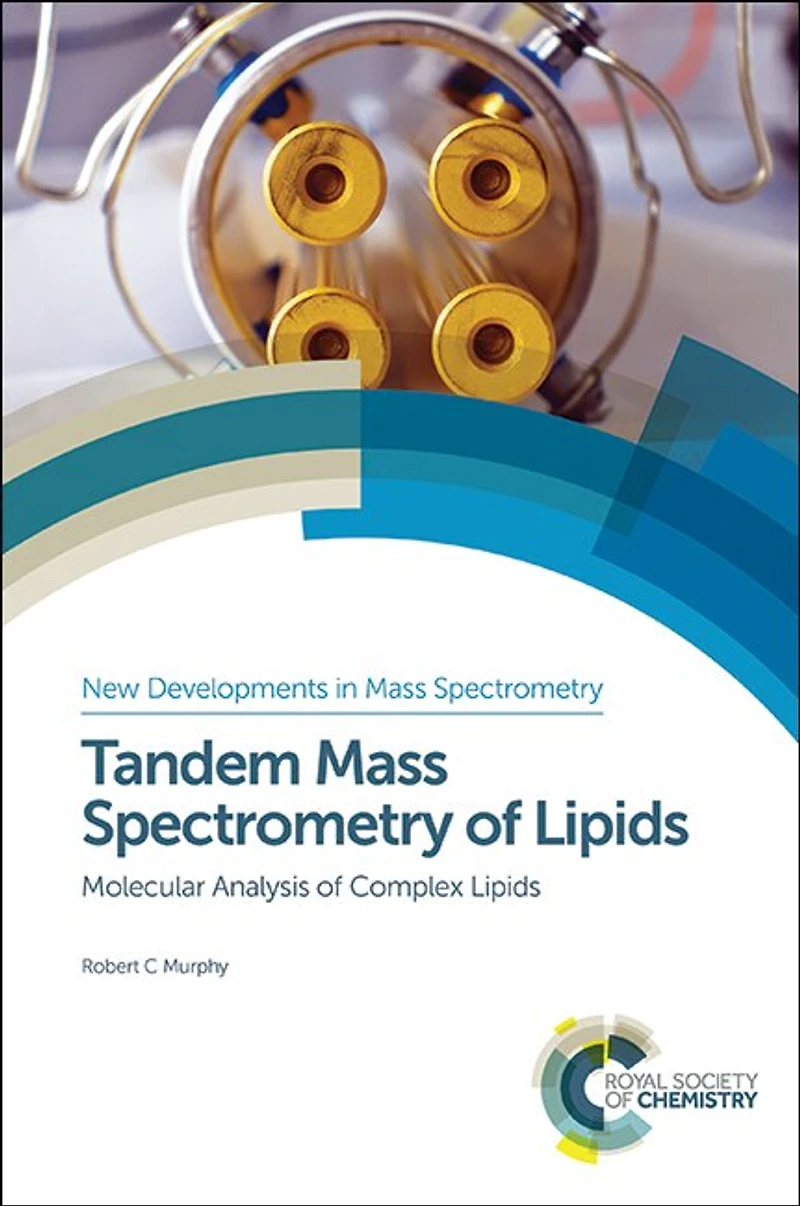
Tandem Mass Spectrometry Of Lipids: Molecular Analysis Of Complex Lipids in Ottawa, ON
Current price: $235.00

Tandem Mass Spectrometry Of Lipids: Molecular Analysis Of Complex Lipids in Ottawa, ON
Current price: $235.00
Loading Inventory...
Size: Paperback
*Product information may vary - to confirm product availability, pricing, shipping and return information please contact Coles
The emerging field of lipidomics has been made possible because of advances in mass spectrometry, and in particular tandem mass spectrometry of lipid ions generated by electrospray ionization. The ability to carry out basic biochemical studies of lipids using electrospray ionization is predicated upon understanding the behaviour of lipid derived ions following collision induced decomposition and mechanisms of product ion formation. During the past 20 years, a wealth of information has been generated about lipid molecules that are now analysed by mass spectrometry, however there is no central source where one can obtain basic information about how these very diverse biomolecules behave following collisional activation. This book brings together, in one volume, this information so that investigators considering using tandem mass spectrometry to structurally characterize lipids or to quantitate their occurrence in a biological matrix, will have a convenient source to review mechanism of decomposition reactions related to the diversity of lipid structures. A separate chapter is devoted to each of seven major lipid classes including fatty acids, eicosanoids and bioactive lipid mediators, fatty acyl esters and amides, glycerol esters, glycerophospholipids, sphingolipids, and steroids. Mechanistic details are provided for understanding the pathways of formation of major product ions and ions used for structural characterization. In most cases specific ancillary information has been critical to understand the pathways, including isotope labeling and high resolution analysis of precursor and product ions. For a few specific examples such data is missing and pathways are proposed as a means to initiate further mass spectral experiments to prove or disprove pathway hypotheses. While this work largely centres on the lipid biochemistry of animal (mammalian) systems, general principles can be taken from the specific examples and applied to lipid biochemistry found in plants, fungi, prokaryotes and archeal organisms.
The emerging field of lipidomics has been made possible because of advances in mass spectrometry, and in particular tandem mass spectrometry of lipid ions generated by electrospray ionization. The ability to carry out basic biochemical studies of lipids using electrospray ionization is predicated upon understanding the behaviour of lipid derived ions following collision induced decomposition and mechanisms of product ion formation. During the past 20 years, a wealth of information has been generated about lipid molecules that are now analysed by mass spectrometry, however there is no central source where one can obtain basic information about how these very diverse biomolecules behave following collisional activation. This book brings together, in one volume, this information so that investigators considering using tandem mass spectrometry to structurally characterize lipids or to quantitate their occurrence in a biological matrix, will have a convenient source to review mechanism of decomposition reactions related to the diversity of lipid structures. A separate chapter is devoted to each of seven major lipid classes including fatty acids, eicosanoids and bioactive lipid mediators, fatty acyl esters and amides, glycerol esters, glycerophospholipids, sphingolipids, and steroids. Mechanistic details are provided for understanding the pathways of formation of major product ions and ions used for structural characterization. In most cases specific ancillary information has been critical to understand the pathways, including isotope labeling and high resolution analysis of precursor and product ions. For a few specific examples such data is missing and pathways are proposed as a means to initiate further mass spectral experiments to prove or disprove pathway hypotheses. While this work largely centres on the lipid biochemistry of animal (mammalian) systems, general principles can be taken from the specific examples and applied to lipid biochemistry found in plants, fungi, prokaryotes and archeal organisms.
You May Also Like







More About Coles at Bayshore Shopping Centre
Coles is renowned for its outstanding customer service and great selection of books. Along with the vast array of magazines, stationary, audio-books, children's literature, fiction, non-fiction and reference books, you can find accessories to make your reading experience more pleasurable. We can recommend the very best in reading today. We will help you search our titles for exactly what you need, and if we do not have it in stock, we will order it for you.
100 Bayshore Dr, Nepean, ON K2B 8C1, Canada
Find Coles at Bayshore Shopping Centre in Ottawa, ON
Visit Coles at Bayshore Shopping Centre in Ottawa, ON