

Give the Gift of Choice!
Too many options? Treat your friends and family to their favourite stores with a Bayshore Shopping Centre gift card, redeemable at participating retailers throughout the centre. Click below to purchase yours today!Purchase HereHome
Teaching Historical Narratives: A Philosophical Inquiry into the Virtues of Interpretation
Coles
Loading Inventory...
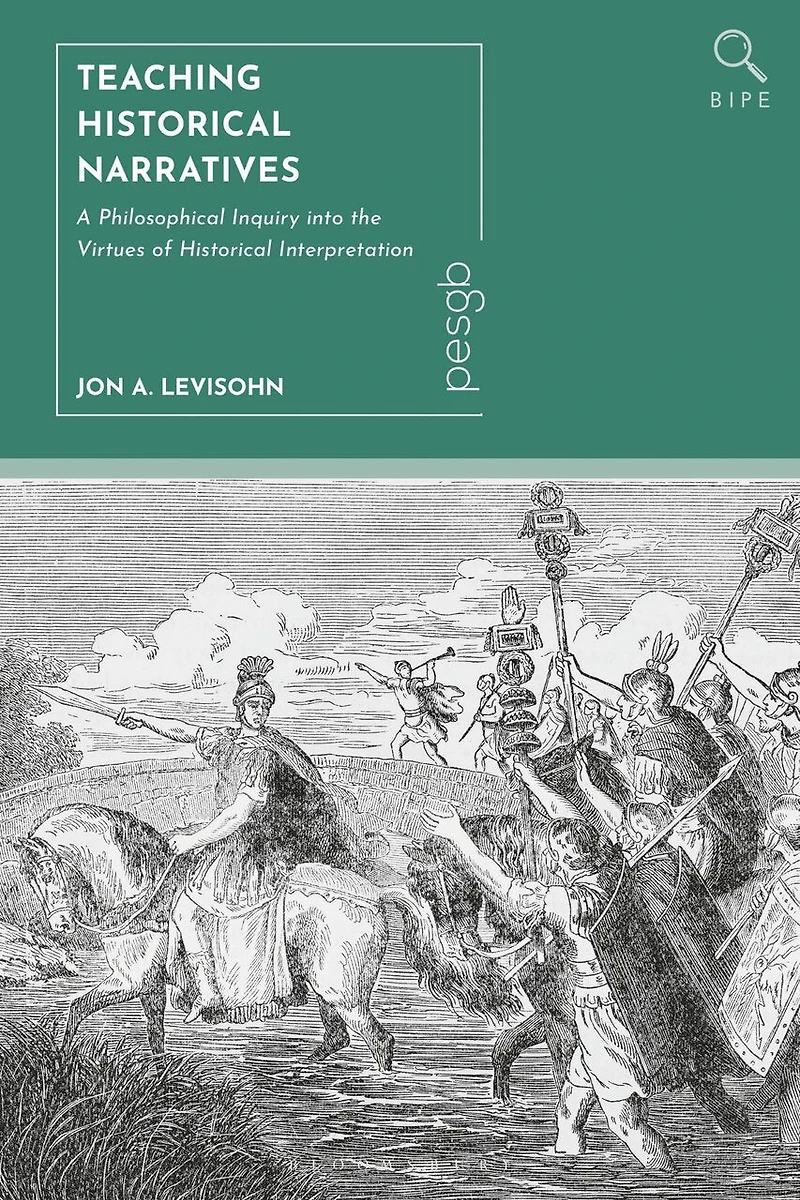
Teaching Historical Narratives: A Philosophical Inquiry into the Virtues of Interpretation in Ottawa, ON
Current price: $175.50

Teaching Historical Narratives: A Philosophical Inquiry into the Virtues of Interpretation in Ottawa, ON
Current price: $175.50
Loading Inventory...
Size: Hardcover
*Product information may vary - to confirm product availability, pricing, shipping and return information please contact Coles
With this book Jon Levisohn argues that current history education is set up in a way that sees students of history at one end of a continuum with the academic experts in the field of history at the other, and where the goal of history education is to help students to think like historians. Building on a critical engagement with Carl Hempel, Hayden White, and David Carr, as well as contemporary work in virtue epistemology, Levisohn proposes a new theory of historiography which serves as a set of guidelines for the teaching and learning of history. According to the theory, the work of historiography is best characterized as a negotiation among narratives, weaving together received narratives with new information and ideas in order to construct a new narrative. This negotiation happens with a particular orientation towards negative evidence or 'flexible disconfirmationism', and is assessed according to the openness, sensitivity, responsibility, creativity, boldness and humility, i.e. the virtues of historical interpretation. The book rethinks the work of history education, offering new ways of thinking about the goals of the teaching of history, namely, in terms of the cultivation of the interpretive virtues.
With this book Jon Levisohn argues that current history education is set up in a way that sees students of history at one end of a continuum with the academic experts in the field of history at the other, and where the goal of history education is to help students to think like historians. Building on a critical engagement with Carl Hempel, Hayden White, and David Carr, as well as contemporary work in virtue epistemology, Levisohn proposes a new theory of historiography which serves as a set of guidelines for the teaching and learning of history. According to the theory, the work of historiography is best characterized as a negotiation among narratives, weaving together received narratives with new information and ideas in order to construct a new narrative. This negotiation happens with a particular orientation towards negative evidence or 'flexible disconfirmationism', and is assessed according to the openness, sensitivity, responsibility, creativity, boldness and humility, i.e. the virtues of historical interpretation. The book rethinks the work of history education, offering new ways of thinking about the goals of the teaching of history, namely, in terms of the cultivation of the interpretive virtues.
You May Also Like










More About Coles at Bayshore Shopping Centre
Coles is renowned for its outstanding customer service and great selection of books. Along with the vast array of magazines, stationary, audio-books, children's literature, fiction, non-fiction and reference books, you can find accessories to make your reading experience more pleasurable. We can recommend the very best in reading today. We will help you search our titles for exactly what you need, and if we do not have it in stock, we will order it for you.
100 Bayshore Dr, Nepean, ON K2B 8C1, Canada
Find Coles at Bayshore Shopping Centre in Ottawa, ON
Visit Coles at Bayshore Shopping Centre in Ottawa, ON