

Give the Gift of Choice!
Too many options? Treat your friends and family to their favourite stores with a Bayshore Shopping Centre gift card, redeemable at participating retailers throughout the centre. Click below to purchase yours today!Purchase HereHome
Teaching Mathematics for First and Second Grades in Waldorf Schools: Math Curriculum, Basic Concepts, and Their Developmental Foundation
Coles
Loading Inventory...
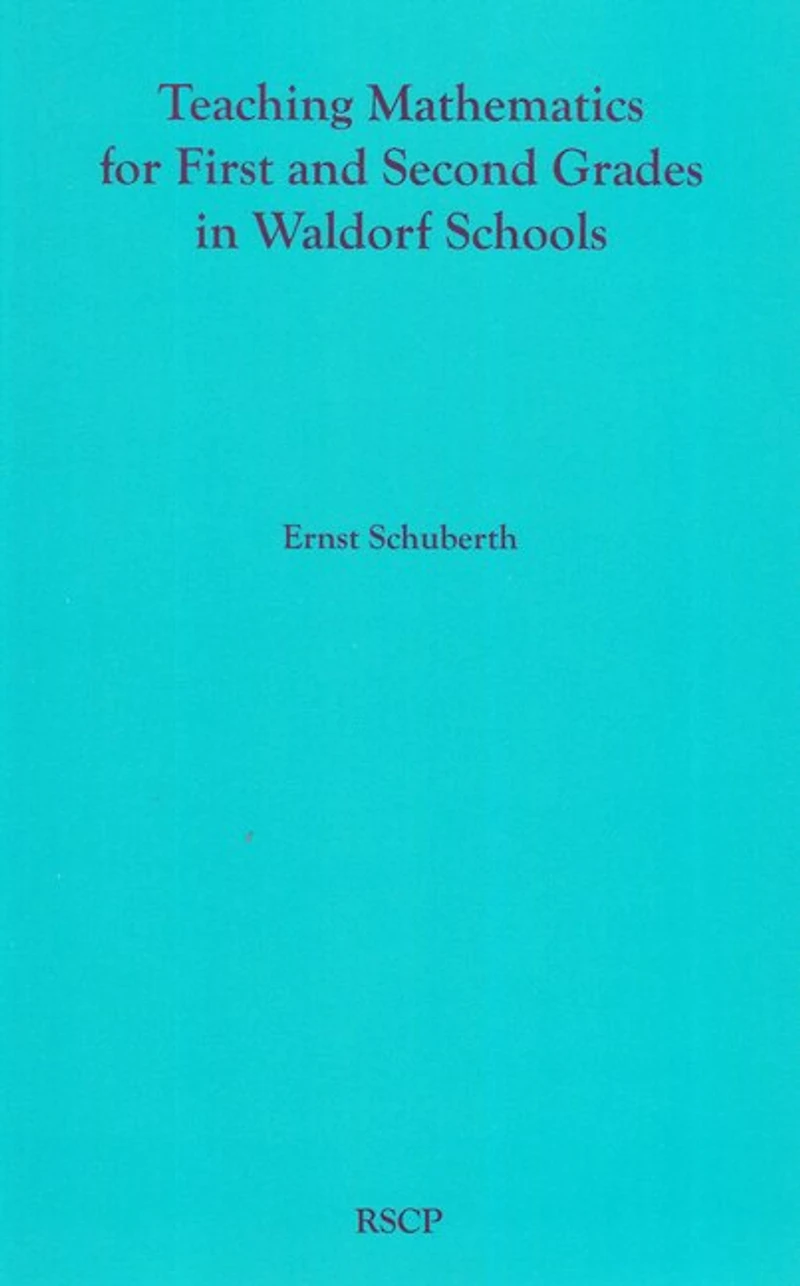
Teaching Mathematics for First and Second Grades in Waldorf Schools: Math Curriculum, Basic Concepts, and Their Developmental Foundation in Ottawa, ON
Current price: $19.50

Teaching Mathematics for First and Second Grades in Waldorf Schools: Math Curriculum, Basic Concepts, and Their Developmental Foundation in Ottawa, ON
Current price: $19.50
Loading Inventory...
Size: Paperback
*Product information may vary - to confirm product availability, pricing, shipping and return information please contact Coles
For Waldorf teachers, math is often one of their most difficult subjects. Memories of schooldays mathematics can cloud one's view of the students' developmental needs, whereas Steiner's many pedagogical suggestions do not indicate a structure for a cohesive math curriculum. Thus, teachers have developed various ways of teaching math during since the beginning of Waldorf education in 1921. Such diversity underscores the unique responsibility teachers carry for mathematics lessons. This guide is not in any way intended to diminish that responsibility, but to help establish a unified view of Steiner's statements for a developmentally appropriate math curriculum. The approaches suggested here might differ from existing programs in several areas--for example, in its direct and immediate beginning to math activities and reluctance to use images for introducing numbers to young students. This guidebook will be useful for teachers and schools in moving toward a more collegial and systematic approach to teaching mathematics in Waldorf classrooms.
For Waldorf teachers, math is often one of their most difficult subjects. Memories of schooldays mathematics can cloud one's view of the students' developmental needs, whereas Steiner's many pedagogical suggestions do not indicate a structure for a cohesive math curriculum. Thus, teachers have developed various ways of teaching math during since the beginning of Waldorf education in 1921. Such diversity underscores the unique responsibility teachers carry for mathematics lessons. This guide is not in any way intended to diminish that responsibility, but to help establish a unified view of Steiner's statements for a developmentally appropriate math curriculum. The approaches suggested here might differ from existing programs in several areas--for example, in its direct and immediate beginning to math activities and reluctance to use images for introducing numbers to young students. This guidebook will be useful for teachers and schools in moving toward a more collegial and systematic approach to teaching mathematics in Waldorf classrooms.
You May Also Like













More About Coles at Bayshore Shopping Centre
Coles is renowned for its outstanding customer service and great selection of books. Along with the vast array of magazines, stationary, audio-books, children's literature, fiction, non-fiction and reference books, you can find accessories to make your reading experience more pleasurable. We can recommend the very best in reading today. We will help you search our titles for exactly what you need, and if we do not have it in stock, we will order it for you.
100 Bayshore Dr, Nepean, ON K2B 8C1, Canada
Find Coles at Bayshore Shopping Centre in Ottawa, ON
Visit Coles at Bayshore Shopping Centre in Ottawa, ON