

Give the Gift of Choice!
Too many options? Treat your friends and family to their favourite stores with a Bayshore Shopping Centre gift card, redeemable at participating retailers throughout the centre. Click below to purchase yours today!Purchase HereHome
Teaching the Middle Ages through Modern Games: Using, Modding and Creating Games for Education Impact
Coles
Loading Inventory...
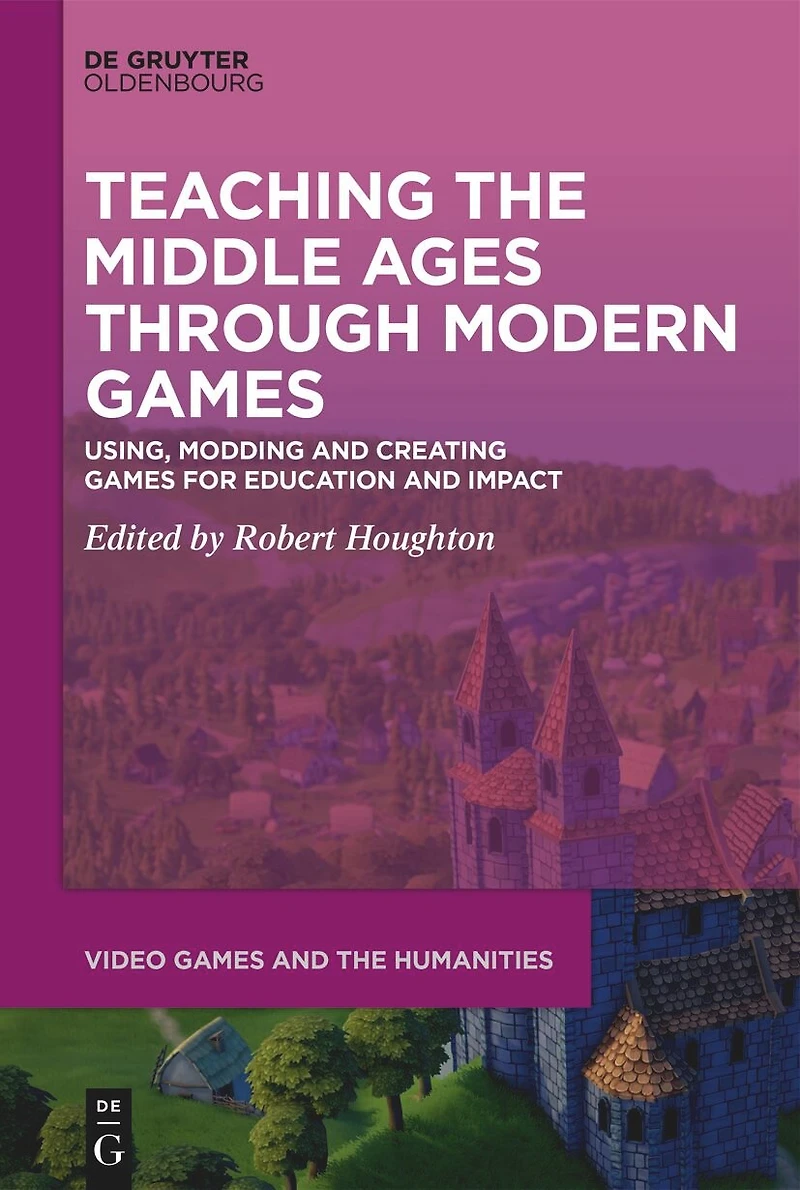
Teaching the Middle Ages through Modern Games: Using, Modding and Creating Games for Education Impact in Ottawa, ON
Current price: $123.99

Teaching the Middle Ages through Modern Games: Using, Modding and Creating Games for Education Impact in Ottawa, ON
Current price: $123.99
Loading Inventory...
Size: Hardcover
*Product information may vary - to confirm product availability, pricing, shipping and return information please contact Coles
Games can act as invaluable tools for the teaching of the Middle Ages. The learning potential of physical and digital games is increasingly undeniable at every level of historical study. These games can provide a foundation of information through their stories and worlds. They can foster understanding of complex systems through their mechanics and rules. Their very nature requires the player to learn to progress. The educational power of games is particularly potent within the study of the Middle Ages. These games act as the first or most substantial introduction to the period for many students and can strongly influence their understanding of the era. Within the classroom, they can be deployed to introduce new and alien themes to students typically unfamiliar with the subject matter swiftly and effectively. They can foster an interest in and understanding of the medieval world through various innovative means and hence act as a key educational tool. This volume presents a series of essays addressing the practical use of games of all varieties as teaching tools within Medieval Studies and related fields. In doing so it provides examples of the use of games at pre-university, undergraduate, and postgraduate levels of study, and considers the application of commercial games, development of bespoke historical games, use of game design as a learning process, and use of games outside the classroom. As such, the book is a flexible and diverse pedagogical resource and its methods may be readily adapted to the teaching of different medieval themes or other periods of history.
Games can act as invaluable tools for the teaching of the Middle Ages. The learning potential of physical and digital games is increasingly undeniable at every level of historical study. These games can provide a foundation of information through their stories and worlds. They can foster understanding of complex systems through their mechanics and rules. Their very nature requires the player to learn to progress. The educational power of games is particularly potent within the study of the Middle Ages. These games act as the first or most substantial introduction to the period for many students and can strongly influence their understanding of the era. Within the classroom, they can be deployed to introduce new and alien themes to students typically unfamiliar with the subject matter swiftly and effectively. They can foster an interest in and understanding of the medieval world through various innovative means and hence act as a key educational tool. This volume presents a series of essays addressing the practical use of games of all varieties as teaching tools within Medieval Studies and related fields. In doing so it provides examples of the use of games at pre-university, undergraduate, and postgraduate levels of study, and considers the application of commercial games, development of bespoke historical games, use of game design as a learning process, and use of games outside the classroom. As such, the book is a flexible and diverse pedagogical resource and its methods may be readily adapted to the teaching of different medieval themes or other periods of history.







More About Coles at Bayshore Shopping Centre
Coles is renowned for its outstanding customer service and great selection of books. Along with the vast array of magazines, stationary, audio-books, children's literature, fiction, non-fiction and reference books, you can find accessories to make your reading experience more pleasurable. We can recommend the very best in reading today. We will help you search our titles for exactly what you need, and if we do not have it in stock, we will order it for you.
100 Bayshore Dr, Nepean, ON K2B 8C1, Canada
Find Coles at Bayshore Shopping Centre in Ottawa, ON
Visit Coles at Bayshore Shopping Centre in Ottawa, ON