

Give the Gift of Choice!
Too many options? Treat your friends and family to their favourite stores with a Bayshore Shopping Centre gift card, redeemable at participating retailers throughout the centre. Click below to purchase yours today!Purchase HereHome
Teaming With Insects: Entomology for Grades 3–12
Coles
Loading Inventory...
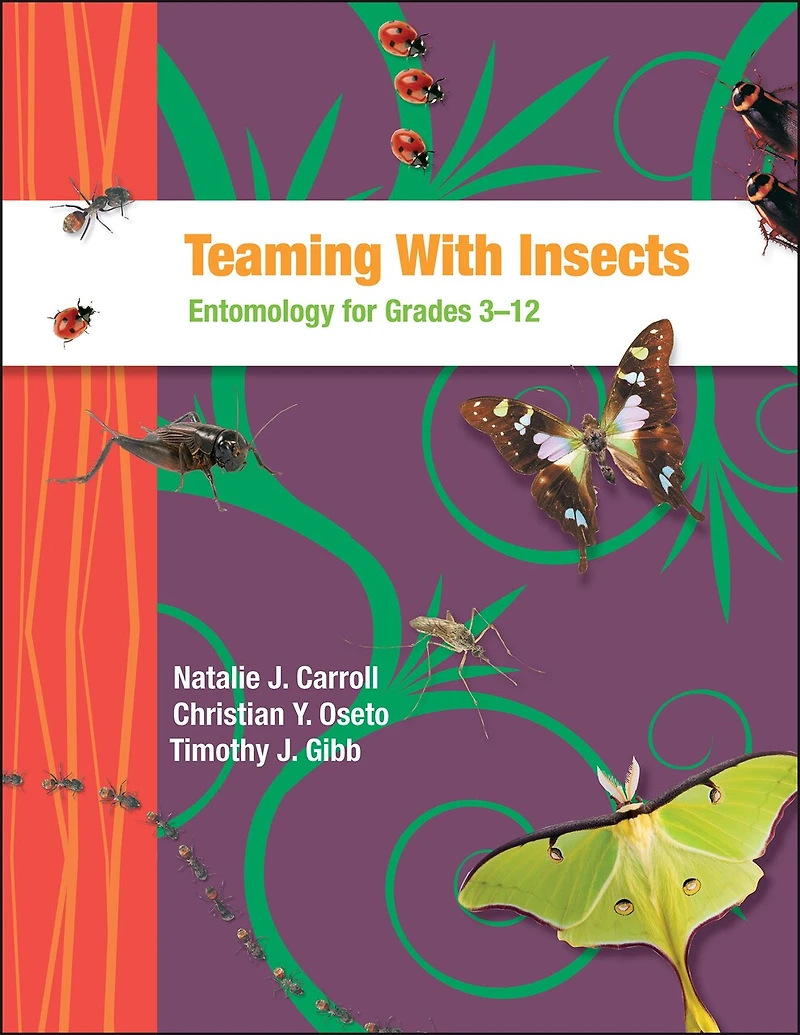
Teaming With Insects: Entomology for Grades 3–12 in Ottawa, ON
Current price: $80.95

Teaming With Insects: Entomology for Grades 3–12 in Ottawa, ON
Current price: $80.95
Loading Inventory...
Size: Paperback
*Product information may vary - to confirm product availability, pricing, shipping and return information please contact Coles
Teaming With Insects: Entomology for Grades 3?12 is written for youth who enjoy learning about and studying science and nature. Insects have been around for millions of years and have evolved and adapted to many different habitats. Adaptations involving theiranatomy, physiology, and behavior are what make insects so diverse and interesting. More than 1 million species of insects are known to scientists, and they believe there may be up to 40 million more we have yet to discover. Most people consider insects pests, and some insects do damage to homes, plants, crops, and stored foods. Others harm humans and animals by biting, stinging, and spreading diseases. The vast majority of insects, however, are beneficial to our ecosystem, and a few, such as honeybees and silkworms, provide direct economic benefits to humans. This book is divided into four easy-to-use sections, each of which is designed with a specific purpose in mind and is tailored to a particular grade level. The first section is geared to students in grades 3 through 5. It introduces young readers to the world of insects, examining their physical appearance and movement. Level 2, intended for individuals in grades 6 through 8, demonstrates how to make insect collection tools and expands on the basic concepts of biodiversity, invasive species, integrated pest management, and forensic entomology. Suited for students in grades 9 through 12, level 3 focuses on using the scientific method, supplying reference materials for personalized learning and further research. The final section presented in Teaming With Insects , the facilitator?s guide, provides suggestions and answers to the youth activities as well as information about working with future entomologists.
Teaming With Insects: Entomology for Grades 3?12 is written for youth who enjoy learning about and studying science and nature. Insects have been around for millions of years and have evolved and adapted to many different habitats. Adaptations involving theiranatomy, physiology, and behavior are what make insects so diverse and interesting. More than 1 million species of insects are known to scientists, and they believe there may be up to 40 million more we have yet to discover. Most people consider insects pests, and some insects do damage to homes, plants, crops, and stored foods. Others harm humans and animals by biting, stinging, and spreading diseases. The vast majority of insects, however, are beneficial to our ecosystem, and a few, such as honeybees and silkworms, provide direct economic benefits to humans. This book is divided into four easy-to-use sections, each of which is designed with a specific purpose in mind and is tailored to a particular grade level. The first section is geared to students in grades 3 through 5. It introduces young readers to the world of insects, examining their physical appearance and movement. Level 2, intended for individuals in grades 6 through 8, demonstrates how to make insect collection tools and expands on the basic concepts of biodiversity, invasive species, integrated pest management, and forensic entomology. Suited for students in grades 9 through 12, level 3 focuses on using the scientific method, supplying reference materials for personalized learning and further research. The final section presented in Teaming With Insects , the facilitator?s guide, provides suggestions and answers to the youth activities as well as information about working with future entomologists.
You May Also Like








More About Coles at Bayshore Shopping Centre
Coles is renowned for its outstanding customer service and great selection of books. Along with the vast array of magazines, stationary, audio-books, children's literature, fiction, non-fiction and reference books, you can find accessories to make your reading experience more pleasurable. We can recommend the very best in reading today. We will help you search our titles for exactly what you need, and if we do not have it in stock, we will order it for you.
100 Bayshore Dr, Nepean, ON K2B 8C1, Canada
Find Coles at Bayshore Shopping Centre in Ottawa, ON
Visit Coles at Bayshore Shopping Centre in Ottawa, ON