

Give the Gift of Choice!
Too many options? Treat your friends and family to their favourite stores with a Bayshore Shopping Centre gift card, redeemable at participating retailers throughout the centre. Click below to purchase yours today!Purchase HereHome
Technology and the Environment History
Coles
Loading Inventory...
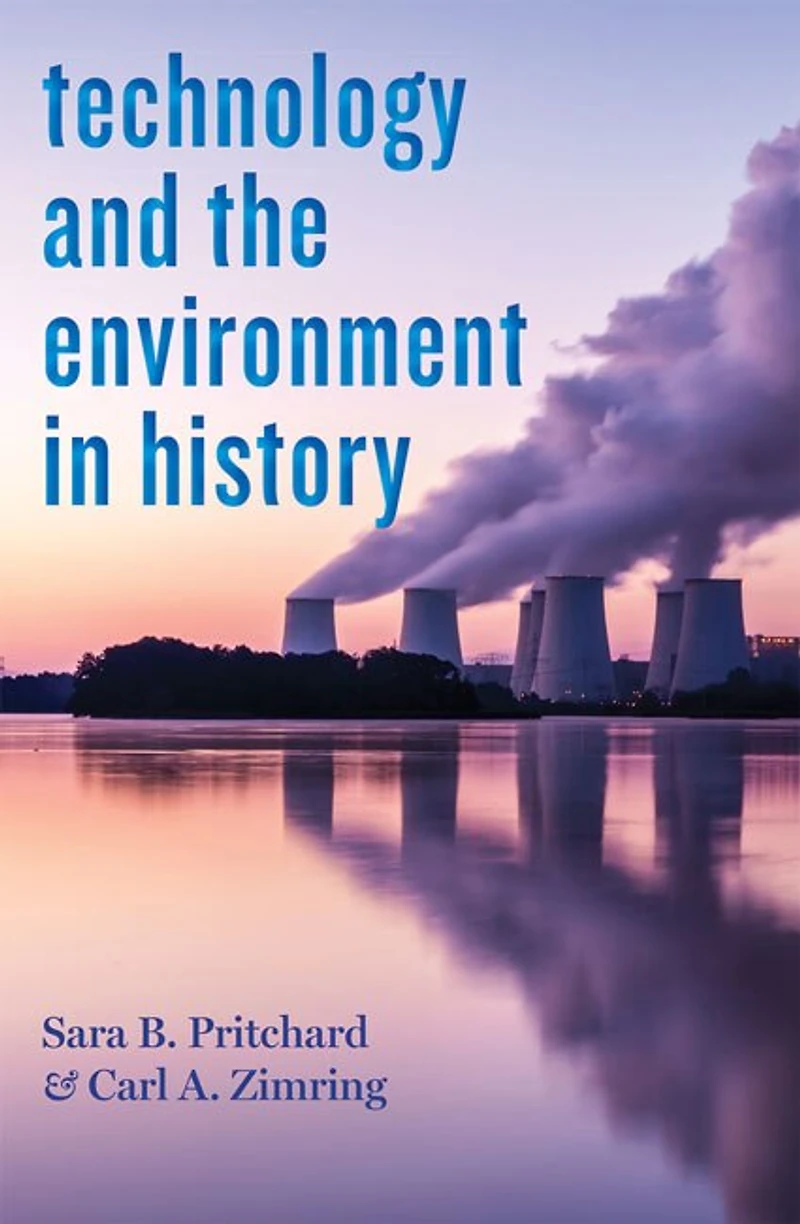
Technology and the Environment History in Ottawa, ON
Current price: $60.95

Technology and the Environment History in Ottawa, ON
Current price: $60.95
Loading Inventory...
Size: Hardcover
*Product information may vary - to confirm product availability, pricing, shipping and return information please contact Coles
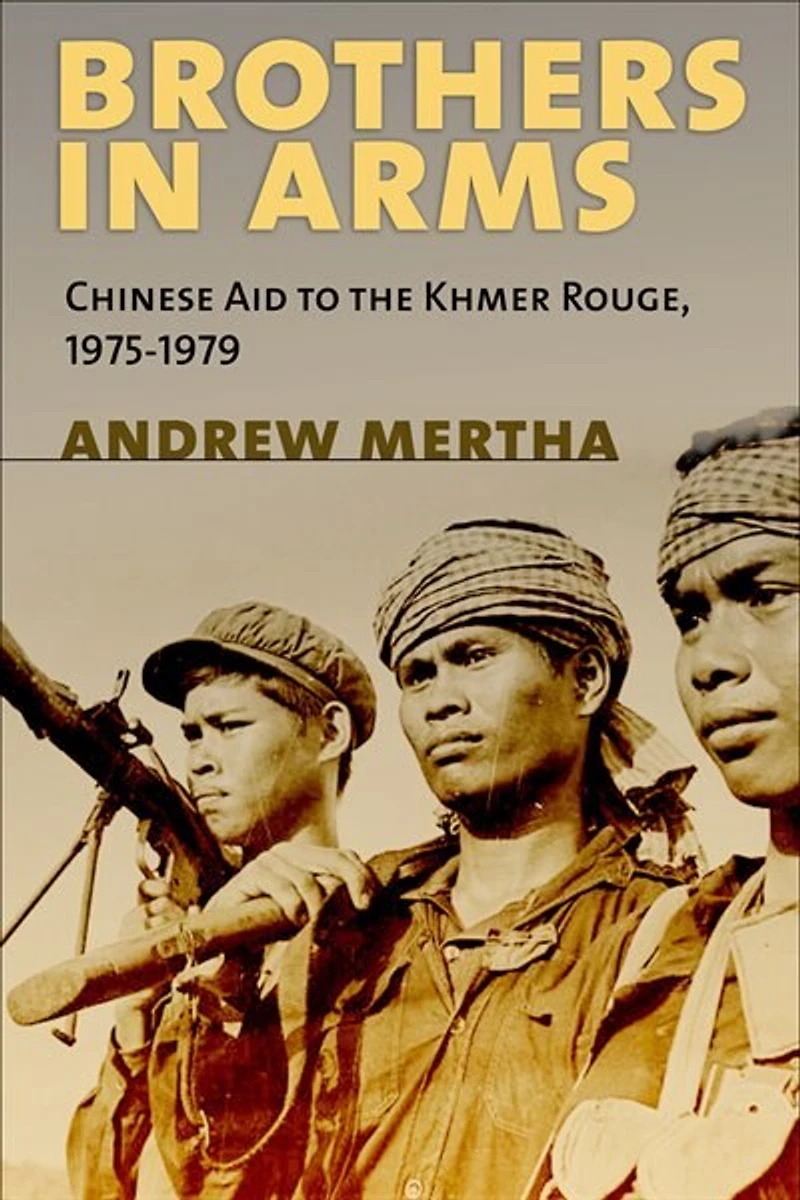
When the Khmer Rouge came to power in Cambodia in 1975, they inherited a war-ravaged and internationally isolated country. Pol Pot's government espoused the rhetoric of self-reliance, but Democratic Kampuchea was utterly dependent on Chinese foreign aid and technical assistance to survive. Yet in a markedly asymmetrical relationship between a modernizing, nuclear power and a virtually premodern state, China was largely unable to use its power to influence Cambodian politics or policy. In Brothers in Arms, Andrew Mertha traces this surprising lack of influence to variations between the Chinese and Cambodian institutions that administered military aid, technology transfer, and international trade. Today, China's extensive engagement with the developing world suggests an inexorably rising China in the process of securing a degree of economic and political dominance that was unthinkable even a decade ago. Yet, China's experience with its first-ever client state suggests that the effectiveness of Chinese foreign aid, and influence that comes with it, is only as good as the institutions that manage the relationship. By focusing on the links between China and Democratic Kampuchea, Mertha peers into the "black box" of Chinese foreign aid to illustrate how domestic institutional fragmentation limits Beijing's ability to influence the countries that accept its assistance.
When the Khmer Rouge came to power in Cambodia in 1975, they inherited a war-ravaged and internationally isolated country. Pol Pot's government espoused the rhetoric of self-reliance, but Democratic Kampuchea was utterly dependent on Chinese foreign aid and technical assistance to survive. Yet in a markedly asymmetrical relationship between a modernizing, nuclear power and a virtually premodern state, China was largely unable to use its power to influence Cambodian politics or policy. In Brothers in Arms, Andrew Mertha traces this surprising lack of influence to variations between the Chinese and Cambodian institutions that administered military aid, technology transfer, and international trade. Today, China's extensive engagement with the developing world suggests an inexorably rising China in the process of securing a degree of economic and political dominance that was unthinkable even a decade ago. Yet, China's experience with its first-ever client state suggests that the effectiveness of Chinese foreign aid, and influence that comes with it, is only as good as the institutions that manage the relationship. By focusing on the links between China and Democratic Kampuchea, Mertha peers into the "black box" of Chinese foreign aid to illustrate how domestic institutional fragmentation limits Beijing's ability to influence the countries that accept its assistance.
You May Also Like








More About Coles at Bayshore Shopping Centre
Coles is renowned for its outstanding customer service and great selection of books. Along with the vast array of magazines, stationary, audio-books, children's literature, fiction, non-fiction and reference books, you can find accessories to make your reading experience more pleasurable. We can recommend the very best in reading today. We will help you search our titles for exactly what you need, and if we do not have it in stock, we will order it for you.
100 Bayshore Dr, Nepean, ON K2B 8C1, Canada
Find Coles at Bayshore Shopping Centre in Ottawa, ON
Visit Coles at Bayshore Shopping Centre in Ottawa, ON