

Give the Gift of Choice!
Too many options? Treat your friends and family to their favourite stores with a Bayshore Shopping Centre gift card, redeemable at participating retailers throughout the centre. Click below to purchase yours today!Purchase HereHome
Terrestrial Biospheric Carbon Fluxes Quantification of Sinks and Sources CO2
Coles
Loading Inventory...
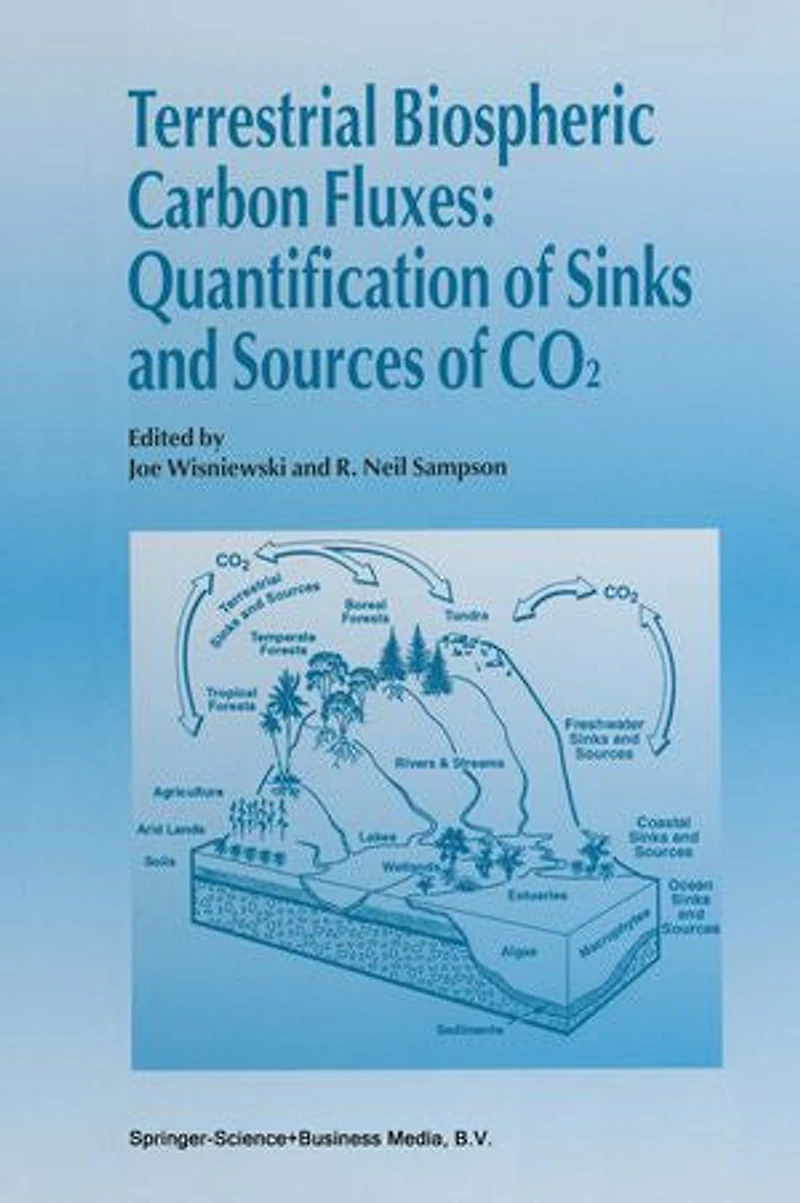
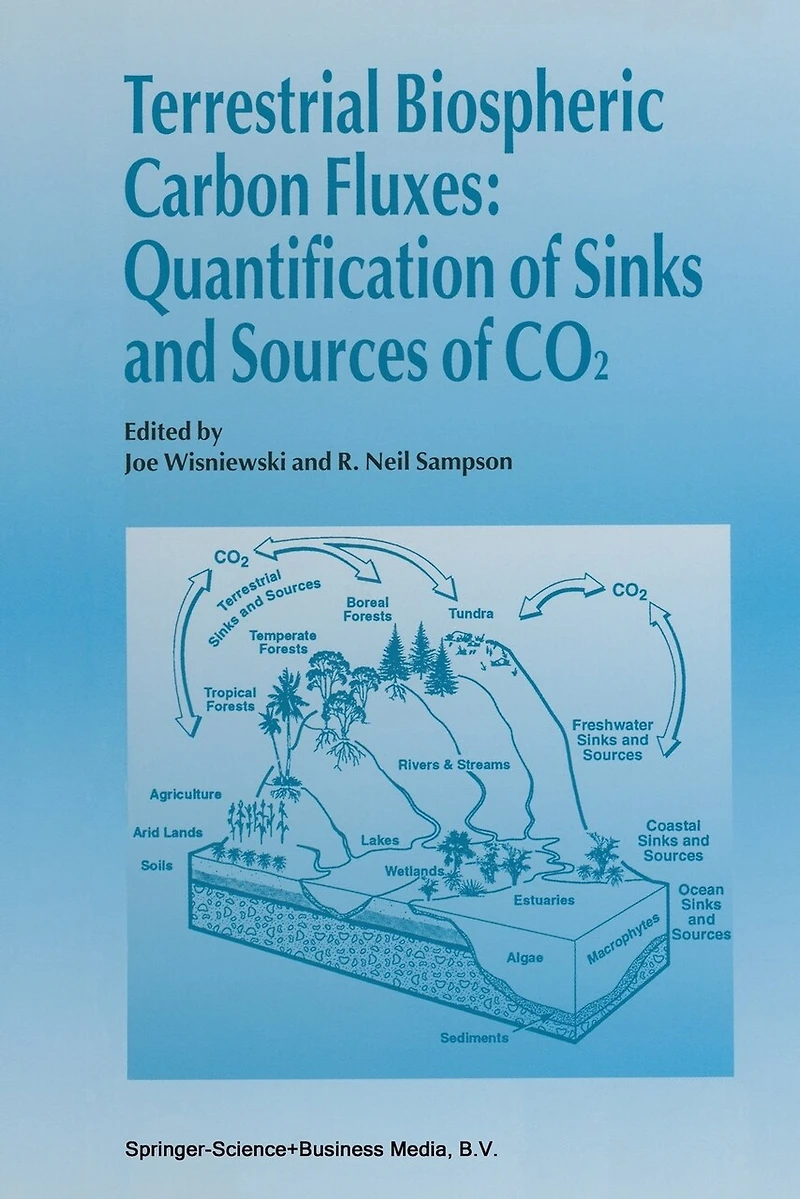
Terrestrial Biospheric Carbon Fluxes Quantification of Sinks and Sources CO2 in Ottawa, ON
Current price: $64.49
Original price: $80.62

Terrestrial Biospheric Carbon Fluxes Quantification of Sinks and Sources CO2 in Ottawa, ON
Current price: $64.49
Original price: $80.62
Loading Inventory...
Size: Kobo eBook
*Product information may vary - to confirm product availability, pricing, shipping and return information please contact Coles
Towards the Balance and Management of the Carbon Budget of the Biosphere The current state of misunderstanding of the global C cycle and our failure to resolve an issue that has been debated for 100 years (Jones and Henderson-Sellers, 1990) speaks loudly about the limitations of modem science when faced with the complexity of the biosphere. Efforts to understand and balance the global C budget have gone through several phases. First was a holistic view of the C budget as part of efforts to understand the geochemistry of the Earth (e. g. , Clarke, 1908). Next, came a period of data collection and sythesis which focused on the diversity of sectors of the biosphere. This phase culminated in the early 1970's with the realization that humans were greatly impacting the global C cycle as measured at the Mauna Loa Observatory (Keeling et al. , 1973). New syntheses of the global C budget emerged at this time (Woodwell and Pacan, 1973; Bolin et al. , 1979). The next phase was one of controversy and intense focus on particular sectors of the biosphere. The controversy rested on discrepancies about the role of the terrestrial biota in the global C cycle and the failure to account for sufficient C sinks to absorb all the C emitted by land-use change in the tropics (Woodwell et al. , 1978, 1983; Houghton et al. , 1983).
Towards the Balance and Management of the Carbon Budget of the Biosphere The current state of misunderstanding of the global C cycle and our failure to resolve an issue that has been debated for 100 years (Jones and Henderson-Sellers, 1990) speaks loudly about the limitations of modem science when faced with the complexity of the biosphere. Efforts to understand and balance the global C budget have gone through several phases. First was a holistic view of the C budget as part of efforts to understand the geochemistry of the Earth (e. g. , Clarke, 1908). Next, came a period of data collection and sythesis which focused on the diversity of sectors of the biosphere. This phase culminated in the early 1970's with the realization that humans were greatly impacting the global C cycle as measured at the Mauna Loa Observatory (Keeling et al. , 1973). New syntheses of the global C budget emerged at this time (Woodwell and Pacan, 1973; Bolin et al. , 1979). The next phase was one of controversy and intense focus on particular sectors of the biosphere. The controversy rested on discrepancies about the role of the terrestrial biota in the global C cycle and the failure to account for sufficient C sinks to absorb all the C emitted by land-use change in the tropics (Woodwell et al. , 1978, 1983; Houghton et al. , 1983).
You May Also Like









More About Coles at Bayshore Shopping Centre
Coles is renowned for its outstanding customer service and great selection of books. Along with the vast array of magazines, stationary, audio-books, children's literature, fiction, non-fiction and reference books, you can find accessories to make your reading experience more pleasurable. We can recommend the very best in reading today. We will help you search our titles for exactly what you need, and if we do not have it in stock, we will order it for you.
100 Bayshore Dr, Nepean, ON K2B 8C1, Canada
Find Coles at Bayshore Shopping Centre in Ottawa, ON
Visit Coles at Bayshore Shopping Centre in Ottawa, ON