

Give the Gift of Choice!
Too many options? Treat your friends and family to their favourite stores with a Bayshore Shopping Centre gift card, redeemable at participating retailers throughout the centre. Click below to purchase yours today!Purchase HereHome
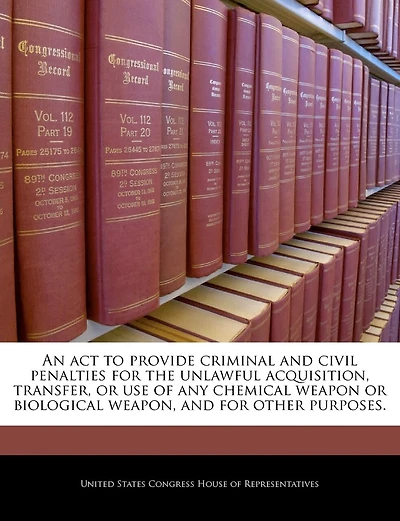
Terrorist Recruitment of U.S. Gangs: Global Criminal Alliances and Biological Weapons
Coles
Loading Inventory...
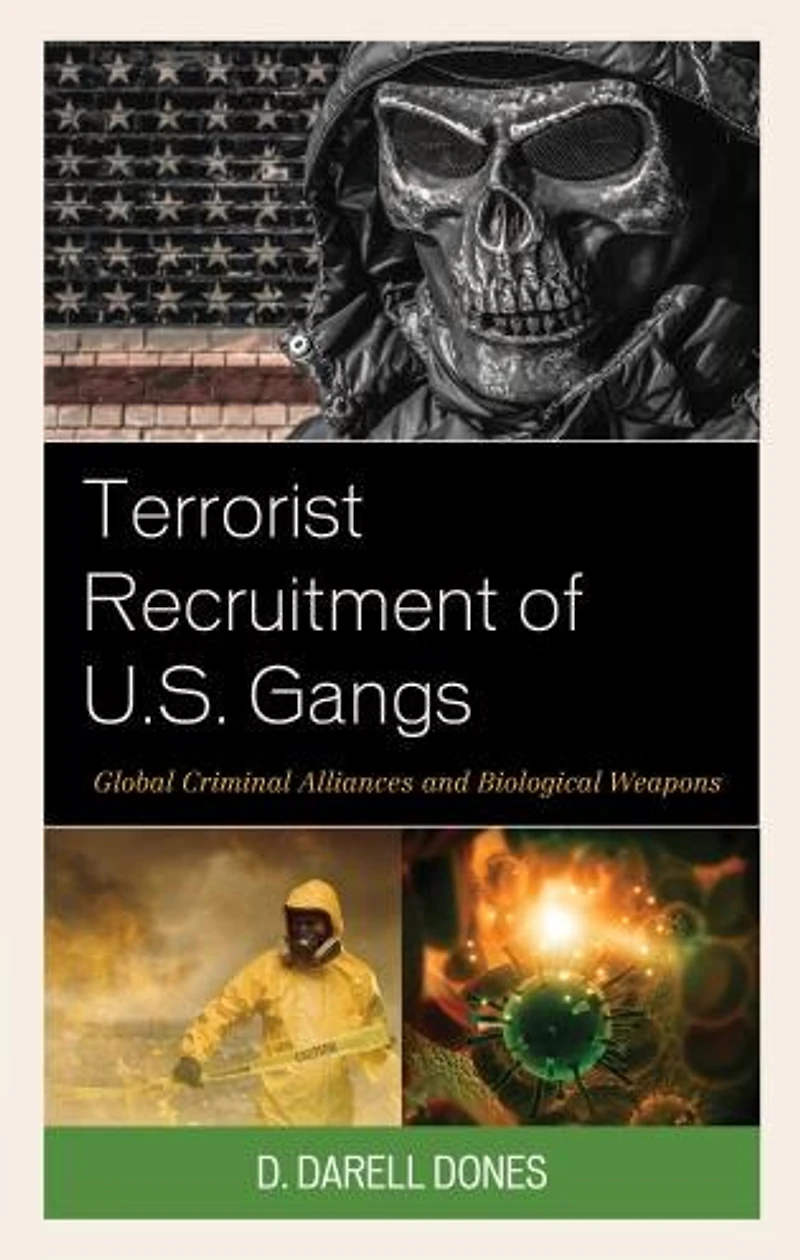
Terrorist Recruitment of U.S. Gangs: Global Criminal Alliances and Biological Weapons in Ottawa, ON
Current price: $167.95

Terrorist Recruitment of U.S. Gangs: Global Criminal Alliances and Biological Weapons in Ottawa, ON
Current price: $167.95
Loading Inventory...
Size: Hardcover
*Product information may vary - to confirm product availability, pricing, shipping and return information please contact Coles
Since the September 11, 2001 US-Terrorist Attacks there has been an overwhelming increase in documented cases of violent acts of extremism made possible by radical terrorist recruitment of domestic gangs. These new, global criminal alliances combine tech-savvy radical extremists and the local knowledge and manpower of U.S.-based gangs creating a greater potential for biological attacks. As a result, both law enforcement and intelligence agencies have been forced to align their coordination efforts to a greater extent with colleges, universities, private infrastructures, and the military to shift national security efforts from reactive to proactive. D. Darell Dones examines the parallel terrorist-gang activities and prevailing psychosocial factors that explain the varying radical beliefs, causations, and behavioral mindset of these criminal partnerships.
Since the September 11, 2001 US-Terrorist Attacks there has been an overwhelming increase in documented cases of violent acts of extremism made possible by radical terrorist recruitment of domestic gangs. These new, global criminal alliances combine tech-savvy radical extremists and the local knowledge and manpower of U.S.-based gangs creating a greater potential for biological attacks. As a result, both law enforcement and intelligence agencies have been forced to align their coordination efforts to a greater extent with colleges, universities, private infrastructures, and the military to shift national security efforts from reactive to proactive. D. Darell Dones examines the parallel terrorist-gang activities and prevailing psychosocial factors that explain the varying radical beliefs, causations, and behavioral mindset of these criminal partnerships.
You May Also Like













More About Coles at Bayshore Shopping Centre
Coles is renowned for its outstanding customer service and great selection of books. Along with the vast array of magazines, stationary, audio-books, children's literature, fiction, non-fiction and reference books, you can find accessories to make your reading experience more pleasurable. We can recommend the very best in reading today. We will help you search our titles for exactly what you need, and if we do not have it in stock, we will order it for you.
100 Bayshore Dr, Nepean, ON K2B 8C1, Canada
Find Coles at Bayshore Shopping Centre in Ottawa, ON
Visit Coles at Bayshore Shopping Centre in Ottawa, ON