

Give the Gift of Choice!
Too many options? Treat your friends and family to their favourite stores with a Bayshore Shopping Centre gift card, redeemable at participating retailers throughout the centre. Click below to purchase yours today!Purchase HereHome
Thank You Mr Crombie: Lessons Guilt and Gratitude to the British
Coles
Loading Inventory...
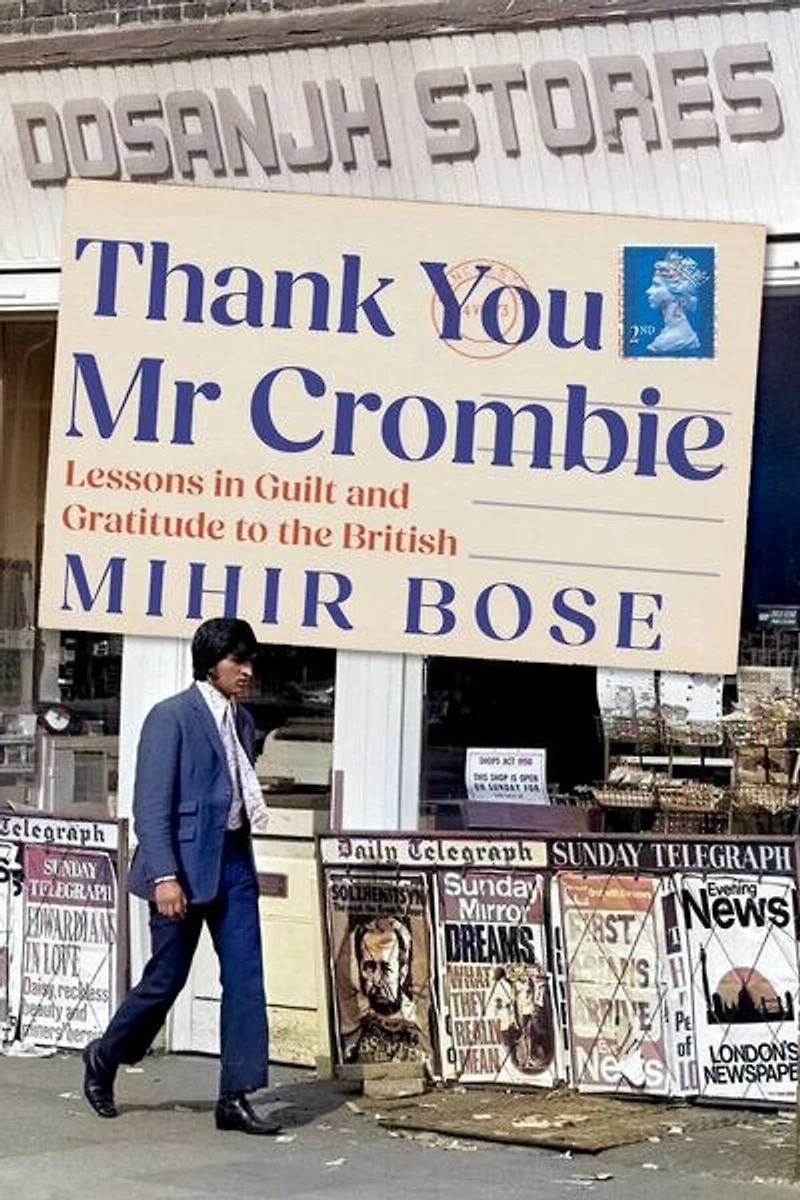
Thank You Mr Crombie: Lessons Guilt and Gratitude to the British in Ottawa, ON
Current price: $47.13

Thank You Mr Crombie: Lessons Guilt and Gratitude to the British in Ottawa, ON
Current price: $47.13
Loading Inventory...
Size: Hardcover
*Product information may vary - to confirm product availability, pricing, shipping and return information please contact Coles
Mihir Bose, born in Kolkata shortly before Indian independence in 1947, still feels enormous gratitude towards Mr Crombie of the UK's Home Office, who confirmed his permanent resident's rights. After studying in Britain, Bose had dreamed of making a life and career there; now he could pursue it. Shiva Naipaul mocked him for reembracing the colonial lash, doubting Bose's prospects as a writer--but he was wrong. This absorbing account shows how Britain has changed dramatically for the better since the '60s. Then, Indian food was shunned, not adored; landladies wouldn't rent Bose a room; white women would not have relationships for fear of mixed babies; and he suffered several assaults, fearing for his life. Bose could not imagine then that the British would take such great strides towards multi-racial harmony. Yet Britain's complex, sometimes deeply shameful, imperial legacy must still be addressed. India, defying its doubters, has been coming to terms with its tortured past. Can twenty-first-century Britain grow once again and earn the gratitude of future generations?
Mihir Bose, born in Kolkata shortly before Indian independence in 1947, still feels enormous gratitude towards Mr Crombie of the UK's Home Office, who confirmed his permanent resident's rights. After studying in Britain, Bose had dreamed of making a life and career there; now he could pursue it. Shiva Naipaul mocked him for reembracing the colonial lash, doubting Bose's prospects as a writer--but he was wrong. This absorbing account shows how Britain has changed dramatically for the better since the '60s. Then, Indian food was shunned, not adored; landladies wouldn't rent Bose a room; white women would not have relationships for fear of mixed babies; and he suffered several assaults, fearing for his life. Bose could not imagine then that the British would take such great strides towards multi-racial harmony. Yet Britain's complex, sometimes deeply shameful, imperial legacy must still be addressed. India, defying its doubters, has been coming to terms with its tortured past. Can twenty-first-century Britain grow once again and earn the gratitude of future generations?
You May Also Like











More About Coles at Bayshore Shopping Centre
Coles is renowned for its outstanding customer service and great selection of books. Along with the vast array of magazines, stationary, audio-books, children's literature, fiction, non-fiction and reference books, you can find accessories to make your reading experience more pleasurable. We can recommend the very best in reading today. We will help you search our titles for exactly what you need, and if we do not have it in stock, we will order it for you.
100 Bayshore Dr, Nepean, ON K2B 8C1, Canada
Find Coles at Bayshore Shopping Centre in Ottawa, ON
Visit Coles at Bayshore Shopping Centre in Ottawa, ON