

Give the Gift of Choice!
Too many options? Treat your friends and family to their favourite stores with a Bayshore Shopping Centre gift card, redeemable at participating retailers throughout the centre. Click below to purchase yours today!Purchase HereHome
That Is Not Who We Are!: Populism and Peoplehood
Coles
Loading Inventory...
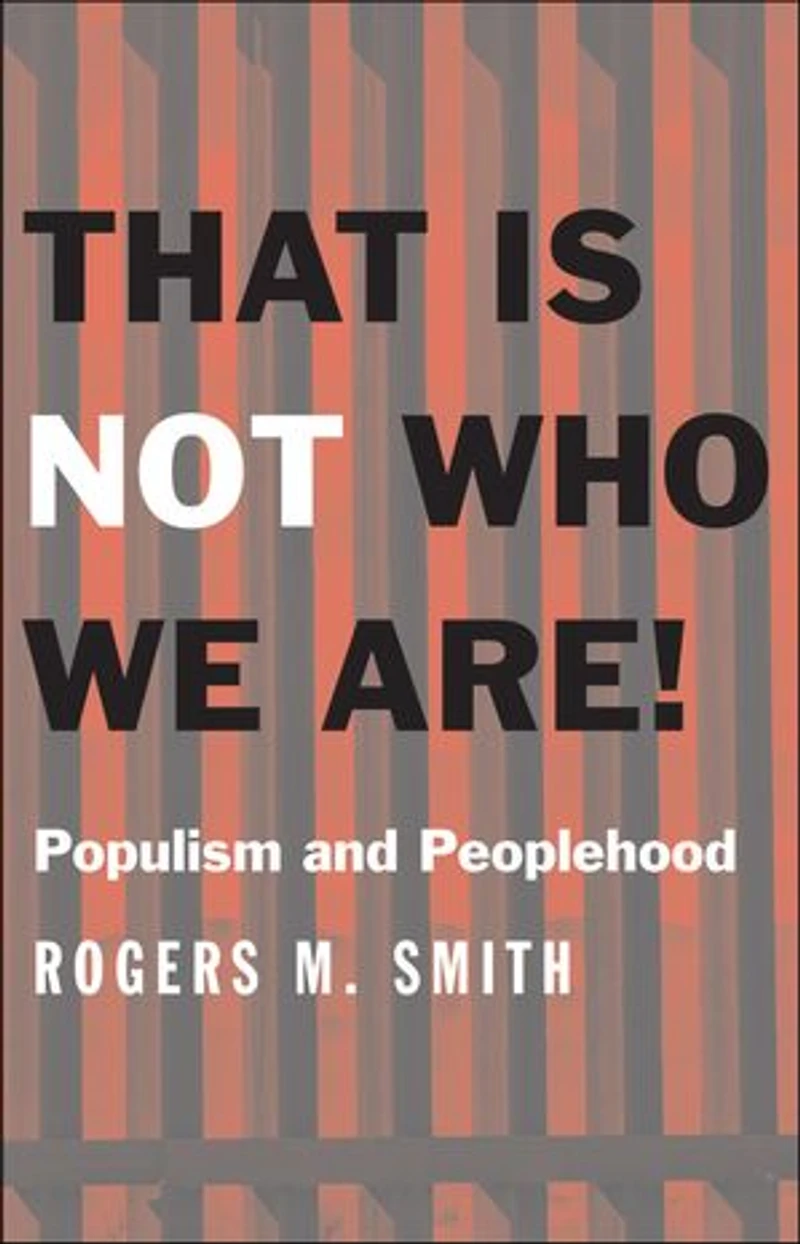
That Is Not Who We Are!: Populism and Peoplehood in Ottawa, ON
Current price: $17.59
Original price: $21.99

That Is Not Who We Are!: Populism and Peoplehood in Ottawa, ON
Current price: $17.59
Original price: $21.99
Loading Inventory...
Size: Kobo eBook
*Product information may vary - to confirm product availability, pricing, shipping and return information please contact Coles
How can liberals offer "stories of peoplehood" that can compete with illiberal populist and nationalist stories?
Rogers Smith has long argued for the importance of "stories of peoplehood" in constituting political communities. By enabling a people to tell others and themselves who they are, such stories establish the people's identity and values and guide its actions. They can promote national unity and unity of groups within and across nations. Smith argues that nationalist populists have done a better job than liberals in providing stories of peoplehood that advance their worldview: the nation as ethnically defined, threatened by enemies, and blameless for its troubles, which come from its victimization by malign elites and foreigners. Liberals need to offer their own stories expressing more inclusive values. Analyzing three liberal stories of peoplehood—those of John Dewey, Barack Obama, and Abraham Lincoln—Smith argues that all have value and all are needed, though he sees Lincoln's, based on the Declaration of Independence, as the most promising.
How can liberals offer "stories of peoplehood" that can compete with illiberal populist and nationalist stories?
Rogers Smith has long argued for the importance of "stories of peoplehood" in constituting political communities. By enabling a people to tell others and themselves who they are, such stories establish the people's identity and values and guide its actions. They can promote national unity and unity of groups within and across nations. Smith argues that nationalist populists have done a better job than liberals in providing stories of peoplehood that advance their worldview: the nation as ethnically defined, threatened by enemies, and blameless for its troubles, which come from its victimization by malign elites and foreigners. Liberals need to offer their own stories expressing more inclusive values. Analyzing three liberal stories of peoplehood—those of John Dewey, Barack Obama, and Abraham Lincoln—Smith argues that all have value and all are needed, though he sees Lincoln's, based on the Declaration of Independence, as the most promising.
You May Also Like







More About Coles at Bayshore Shopping Centre
Coles is renowned for its outstanding customer service and great selection of books. Along with the vast array of magazines, stationary, audio-books, children's literature, fiction, non-fiction and reference books, you can find accessories to make your reading experience more pleasurable. We can recommend the very best in reading today. We will help you search our titles for exactly what you need, and if we do not have it in stock, we will order it for you.
100 Bayshore Dr, Nepean, ON K2B 8C1, Canada
Find Coles at Bayshore Shopping Centre in Ottawa, ON
Visit Coles at Bayshore Shopping Centre in Ottawa, ON