

Give the Gift of Choice!
Too many options? Treat your friends and family to their favourite stores with a Bayshore Shopping Centre gift card, redeemable at participating retailers throughout the centre. Click below to purchase yours today!Purchase HereHome
The Aftermath of Syllogism: Aristotelian Logical Argument from Avicenna to Hegel
Coles
Loading Inventory...
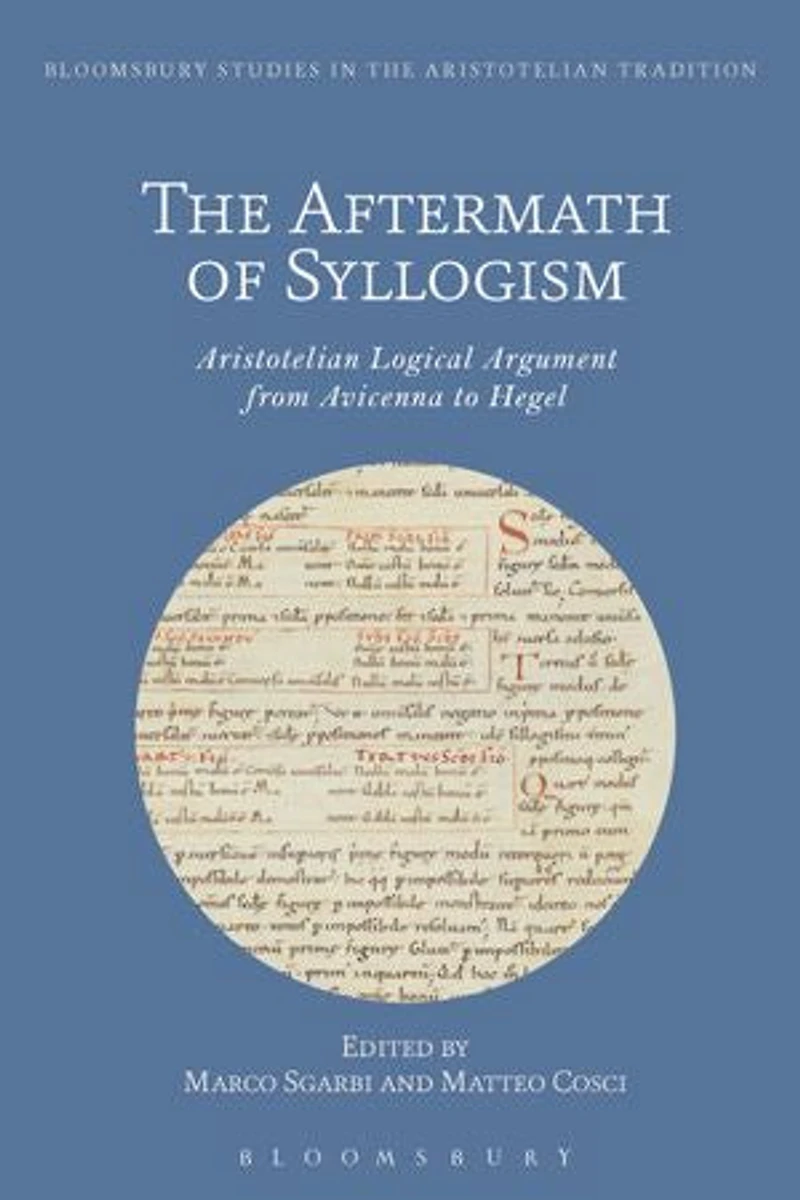
The Aftermath of Syllogism: Aristotelian Logical Argument from Avicenna to Hegel in Ottawa, ON
Current price: $50.79
Original price: $63.45

The Aftermath of Syllogism: Aristotelian Logical Argument from Avicenna to Hegel in Ottawa, ON
Current price: $50.79
Original price: $63.45
Loading Inventory...
Size: Kobo eBook
*Product information may vary - to confirm product availability, pricing, shipping and return information please contact Coles
Syllogism is a form of logical argument allowing one to deduce a consistent conclusion based on a pair of premises having a common term. Although Aristotle was the first to conceive and develop this way of reasoning, he left open a lot of conceptual space for further modifications, improvements and systematizations with regards to his original syllogistic theory. From its creation until modern times, syllogism has remained a powerful and compelling device of deduction and argument, used by a variety of figures and assuming a variety of forms throughout history. The Aftermath of Syllogism investigates the key developments in the history of this peculiar pattern of inference, from Avicenna to Hegel. Taking as its focus the longue durée of development between the Middle Ages and the nineteenth century, this book looks at the huge reworking scientific syllogism underwent over the centuries, as some of the finest philosophical minds brought it to an unprecedented height of logical sharpness and sophistication. Bringing together a group of major international experts in the Aristotelian tradition, The Aftermath of Syllogism provides a detailed, up to date and critical evaluation of the history of syllogistic deduction.
Syllogism is a form of logical argument allowing one to deduce a consistent conclusion based on a pair of premises having a common term. Although Aristotle was the first to conceive and develop this way of reasoning, he left open a lot of conceptual space for further modifications, improvements and systematizations with regards to his original syllogistic theory. From its creation until modern times, syllogism has remained a powerful and compelling device of deduction and argument, used by a variety of figures and assuming a variety of forms throughout history. The Aftermath of Syllogism investigates the key developments in the history of this peculiar pattern of inference, from Avicenna to Hegel. Taking as its focus the longue durée of development between the Middle Ages and the nineteenth century, this book looks at the huge reworking scientific syllogism underwent over the centuries, as some of the finest philosophical minds brought it to an unprecedented height of logical sharpness and sophistication. Bringing together a group of major international experts in the Aristotelian tradition, The Aftermath of Syllogism provides a detailed, up to date and critical evaluation of the history of syllogistic deduction.
You May Also Like







More About Coles at Bayshore Shopping Centre
Coles is renowned for its outstanding customer service and great selection of books. Along with the vast array of magazines, stationary, audio-books, children's literature, fiction, non-fiction and reference books, you can find accessories to make your reading experience more pleasurable. We can recommend the very best in reading today. We will help you search our titles for exactly what you need, and if we do not have it in stock, we will order it for you.
100 Bayshore Dr, Nepean, ON K2B 8C1, Canada
Find Coles at Bayshore Shopping Centre in Ottawa, ON
Visit Coles at Bayshore Shopping Centre in Ottawa, ON