

Give the Gift of Choice!
Too many options? Treat your friends and family to their favourite stores with a Bayshore Shopping Centre gift card, redeemable at participating retailers throughout the centre. Click below to purchase yours today!Purchase HereHome
The Art of Comedy Writing
Coles
Loading Inventory...
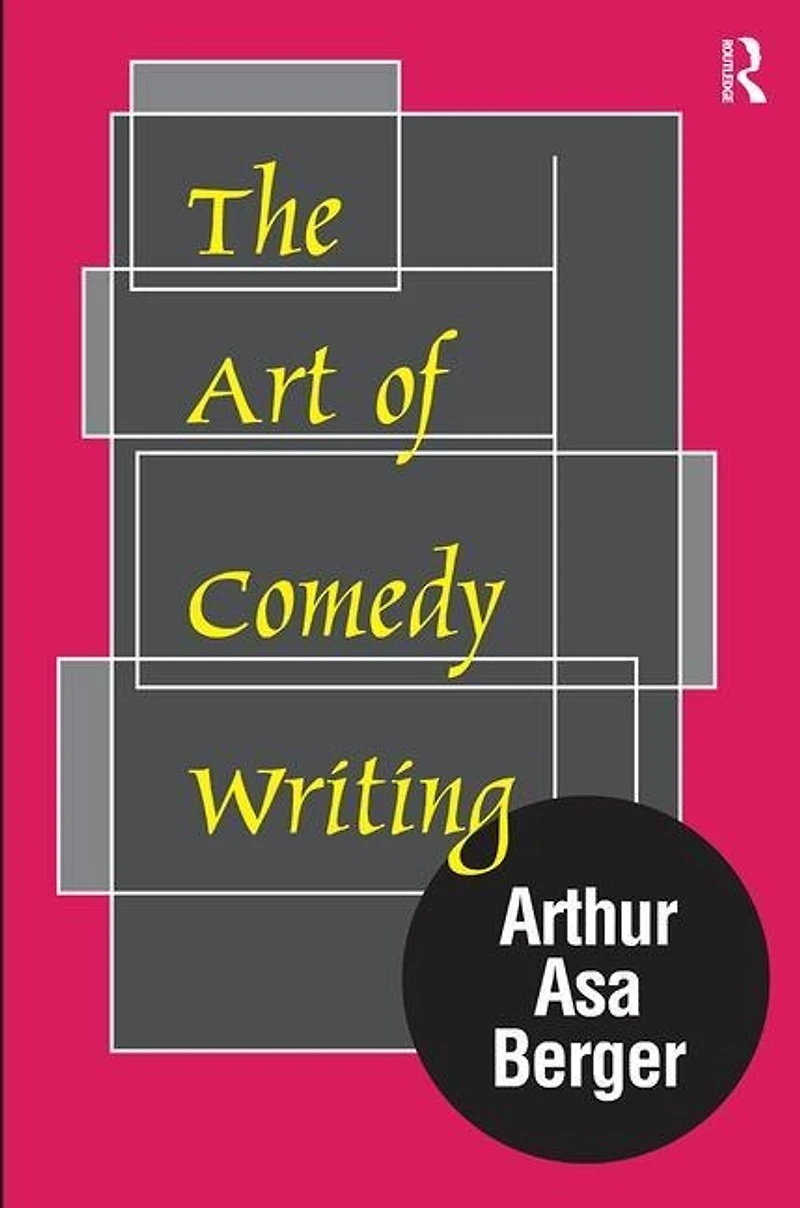
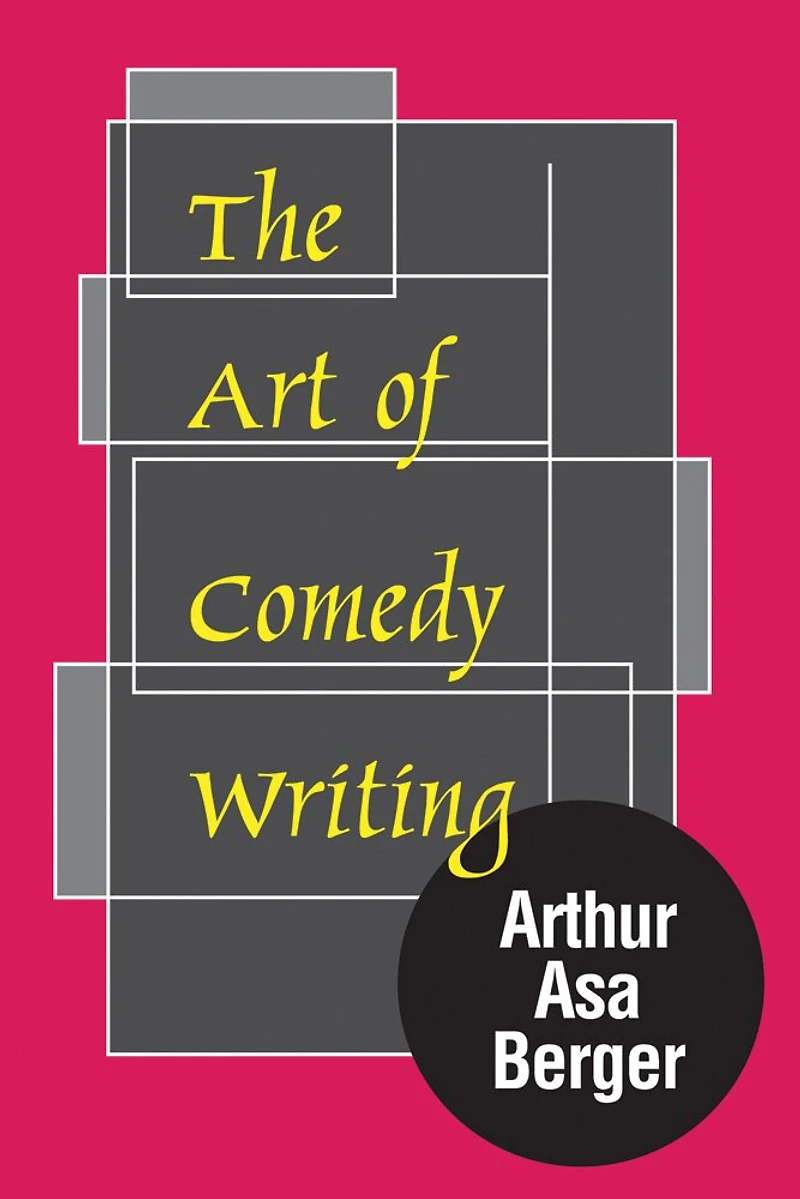
The Art of Comedy Writing in Ottawa, ON
Current price: $333.50

The Art of Comedy Writing in Ottawa, ON
Current price: $333.50
Loading Inventory...
Size: Hardcover
*Product information may vary - to confirm product availability, pricing, shipping and return information please contact Coles
Just as a distinctive literary voice or style is marked by the ease with which it can be parodied, so too can specific aspects of humor be unique. Playwrights, television writers, novelists, cartoonists, and film scriptwriters use many special technical devices to create humor. Just as dramatic writers and novelists use specific devices to craft their work, creators of humorous materials from the ancient Greeks to today's stand-up comics have continued to use certain techniques in order to generate humor. In The Art of Comedy Writing , Arthur Asa Berger argues that there are a relatively limited number of techniques forty-five in all that humorists employ. Elaborating upon his prior, in-depth study of humor, An Anatomy of Humor , in which Berger provides a content analysis of humor in all forms joke books, plays, comic books, novels, short stories, comic verse, and essays The Art of Comedy Writing goes further. Berger groups each technique into four basic categories: humor involving identity such as burlesque, caricature, mimicry, and stereotype; humor involving logic such as analogy, comparison, and reversal; humor involving language such as puns, wordplay, sarcasm, and satire; and finally, chase, slapstick, and speed, or humor involving action. Berger claims that if you want to know how writers or comedians create humor study and analysis of their humorous works can be immensely insightful. This book is a unique analytical offering for those interested in humor. It provides writers and critics with a sizable repertoire of techniques for use in their own future comic creations. As such, this book will be of interest to people inspired by humor and the creative process professionals in the comedy field and students of creative writing, comedy, literary humor, communications, broadcast/media, and the humanities.
Just as a distinctive literary voice or style is marked by the ease with which it can be parodied, so too can specific aspects of humor be unique. Playwrights, television writers, novelists, cartoonists, and film scriptwriters use many special technical devices to create humor. Just as dramatic writers and novelists use specific devices to craft their work, creators of humorous materials from the ancient Greeks to today's stand-up comics have continued to use certain techniques in order to generate humor. In The Art of Comedy Writing , Arthur Asa Berger argues that there are a relatively limited number of techniques forty-five in all that humorists employ. Elaborating upon his prior, in-depth study of humor, An Anatomy of Humor , in which Berger provides a content analysis of humor in all forms joke books, plays, comic books, novels, short stories, comic verse, and essays The Art of Comedy Writing goes further. Berger groups each technique into four basic categories: humor involving identity such as burlesque, caricature, mimicry, and stereotype; humor involving logic such as analogy, comparison, and reversal; humor involving language such as puns, wordplay, sarcasm, and satire; and finally, chase, slapstick, and speed, or humor involving action. Berger claims that if you want to know how writers or comedians create humor study and analysis of their humorous works can be immensely insightful. This book is a unique analytical offering for those interested in humor. It provides writers and critics with a sizable repertoire of techniques for use in their own future comic creations. As such, this book will be of interest to people inspired by humor and the creative process professionals in the comedy field and students of creative writing, comedy, literary humor, communications, broadcast/media, and the humanities.
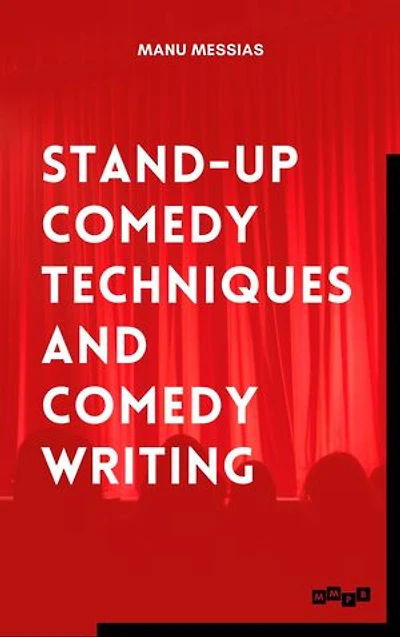
You May Also Like
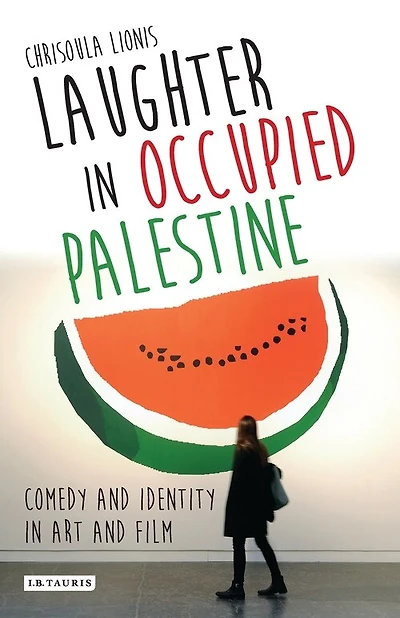
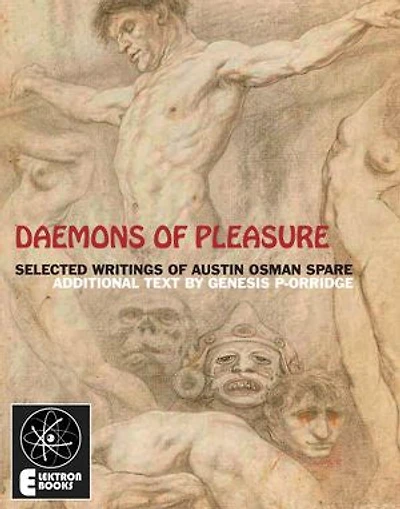







More About Coles at Bayshore Shopping Centre
Coles is renowned for its outstanding customer service and great selection of books. Along with the vast array of magazines, stationary, audio-books, children's literature, fiction, non-fiction and reference books, you can find accessories to make your reading experience more pleasurable. We can recommend the very best in reading today. We will help you search our titles for exactly what you need, and if we do not have it in stock, we will order it for you.
100 Bayshore Dr, Nepean, ON K2B 8C1, Canada
Find Coles at Bayshore Shopping Centre in Ottawa, ON
Visit Coles at Bayshore Shopping Centre in Ottawa, ON