

Give the Gift of Choice!
Too many options? Treat your friends and family to their favourite stores with a Bayshore Shopping Centre gift card, redeemable at participating retailers throughout the centre. Click below to purchase yours today!Purchase HereHome
the Art of Preaching, and Composition Sermons: With an Introductory Essay on Present Position Influence Pulpit Church
Coles
Loading Inventory...
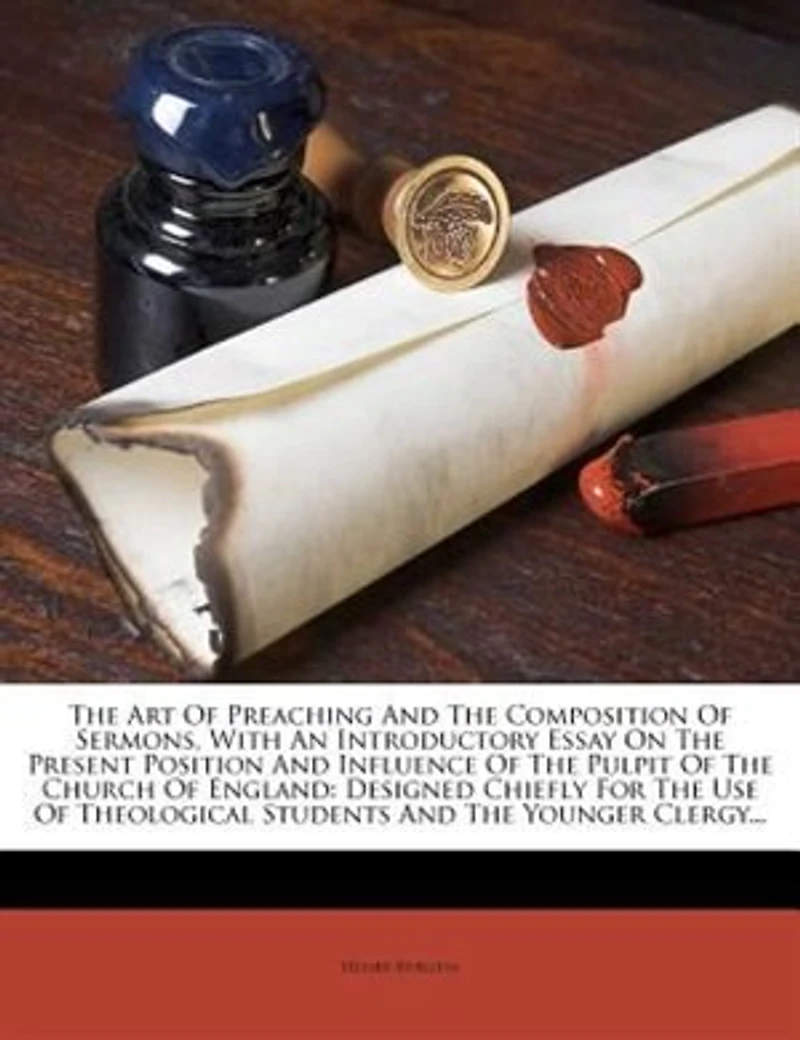
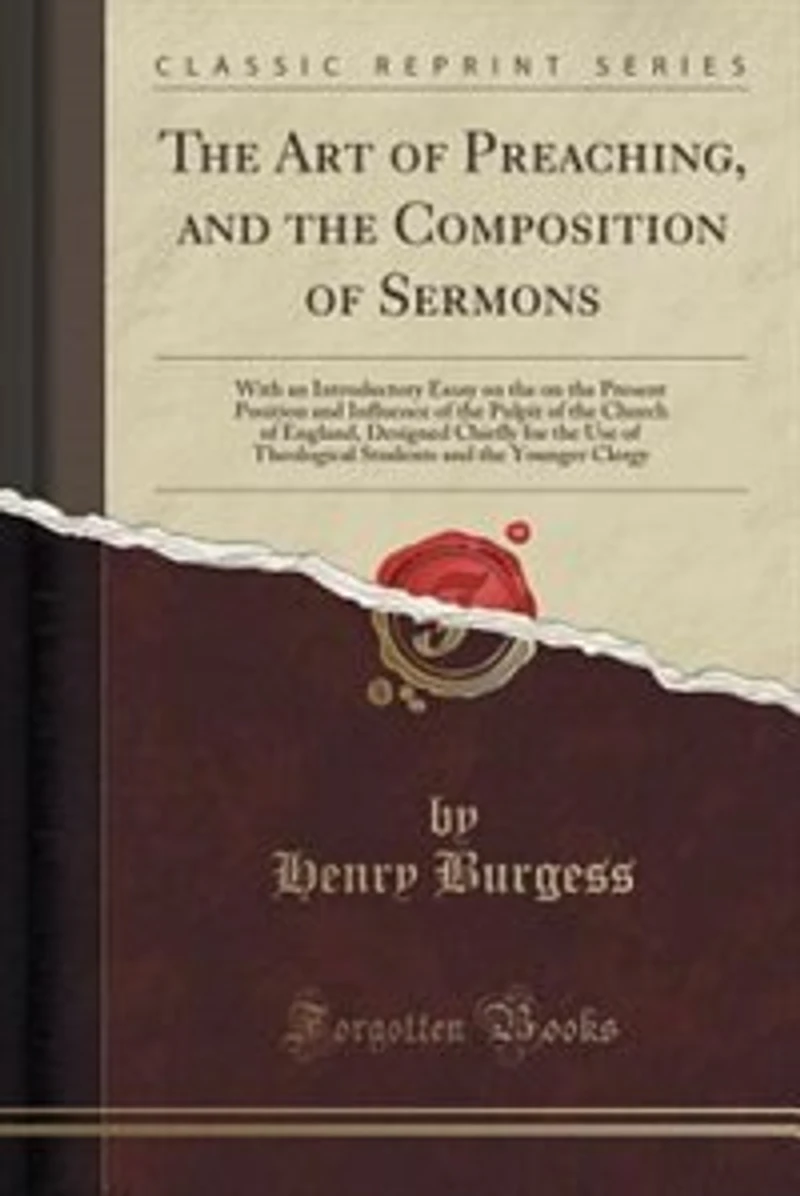
the Art of Preaching, and Composition Sermons: With an Introductory Essay on Present Position Influence Pulpit Church in Ottawa, ON
Current price: $39.99

the Art of Preaching, and Composition Sermons: With an Introductory Essay on Present Position Influence Pulpit Church in Ottawa, ON
Current price: $39.99
Loading Inventory...
Size: Paperback (2012)
*Product information may vary - to confirm product availability, pricing, shipping and return information please contact Coles
Excerpt from The Art of Preaching, and the Composition of Sermons: With an Introductory Essay on the on the Present Position and Influence of the Pulpit of the Church of England, Designed Chiefly for the Use of Theological Students and the Younger Clergy Eloquence-acknowledged requirements in a Preacher toned down by popular sentiment - High general Opinion of the English Pulpit - Good preaching popularly indispensable to a Clergyman - Well fur nished Preachers very numerous in our Church Art in Preaching not generally recognized - Immense mass of Preaching materials - Inferior Sermons not without interest and profit - Abundant materials for Sermons Of high character - Lord Carnarvon on popular Preachers - Canon Melville, Dr. Chalmers, and James Parsons, three representative Preachers Tu preaching Art will improve upon N ature - The demands of the Ordinal must make many good Preachers - Great improvement in middle age pos sible - Every Sermon should do honour to Jesus Christ - Remarks of Bishop Tait on this subject 3 57. About the Publisher Forgotten Books publishes hundreds of thousands of rare and classic books. Find more at www.forgottenbooks.com This book is a reproduction of an important historical work. Forgotten Books uses state-of-the-art technology to digitally reconstruct the work, preserving the original format whilst repairing imperfections present in the aged copy. In rare cases, an imperfection in the original, such as a blemish or missing page, may be replicated in our edition. We do, however, repair the vast majority of imperfections successfully; any imperfections that remain are intentionally left to preserve the state of such historical works.
Excerpt from The Art of Preaching, and the Composition of Sermons: With an Introductory Essay on the on the Present Position and Influence of the Pulpit of the Church of England, Designed Chiefly for the Use of Theological Students and the Younger Clergy Eloquence-acknowledged requirements in a Preacher toned down by popular sentiment - High general Opinion of the English Pulpit - Good preaching popularly indispensable to a Clergyman - Well fur nished Preachers very numerous in our Church Art in Preaching not generally recognized - Immense mass of Preaching materials - Inferior Sermons not without interest and profit - Abundant materials for Sermons Of high character - Lord Carnarvon on popular Preachers - Canon Melville, Dr. Chalmers, and James Parsons, three representative Preachers Tu preaching Art will improve upon N ature - The demands of the Ordinal must make many good Preachers - Great improvement in middle age pos sible - Every Sermon should do honour to Jesus Christ - Remarks of Bishop Tait on this subject 3 57. About the Publisher Forgotten Books publishes hundreds of thousands of rare and classic books. Find more at www.forgottenbooks.com This book is a reproduction of an important historical work. Forgotten Books uses state-of-the-art technology to digitally reconstruct the work, preserving the original format whilst repairing imperfections present in the aged copy. In rare cases, an imperfection in the original, such as a blemish or missing page, may be replicated in our edition. We do, however, repair the vast majority of imperfections successfully; any imperfections that remain are intentionally left to preserve the state of such historical works.
You May Also Like









More About Coles at Bayshore Shopping Centre
Coles is renowned for its outstanding customer service and great selection of books. Along with the vast array of magazines, stationary, audio-books, children's literature, fiction, non-fiction and reference books, you can find accessories to make your reading experience more pleasurable. We can recommend the very best in reading today. We will help you search our titles for exactly what you need, and if we do not have it in stock, we will order it for you.
100 Bayshore Dr, Nepean, ON K2B 8C1, Canada
Find Coles at Bayshore Shopping Centre in Ottawa, ON
Visit Coles at Bayshore Shopping Centre in Ottawa, ON