

Give the Gift of Choice!
Too many options? Treat your friends and family to their favourite stores with a Bayshore Shopping Centre gift card, redeemable at participating retailers throughout the centre. Click below to purchase yours today!Purchase HereHome
The Bari Statuary of the Upper Nile
Coles
Loading Inventory...
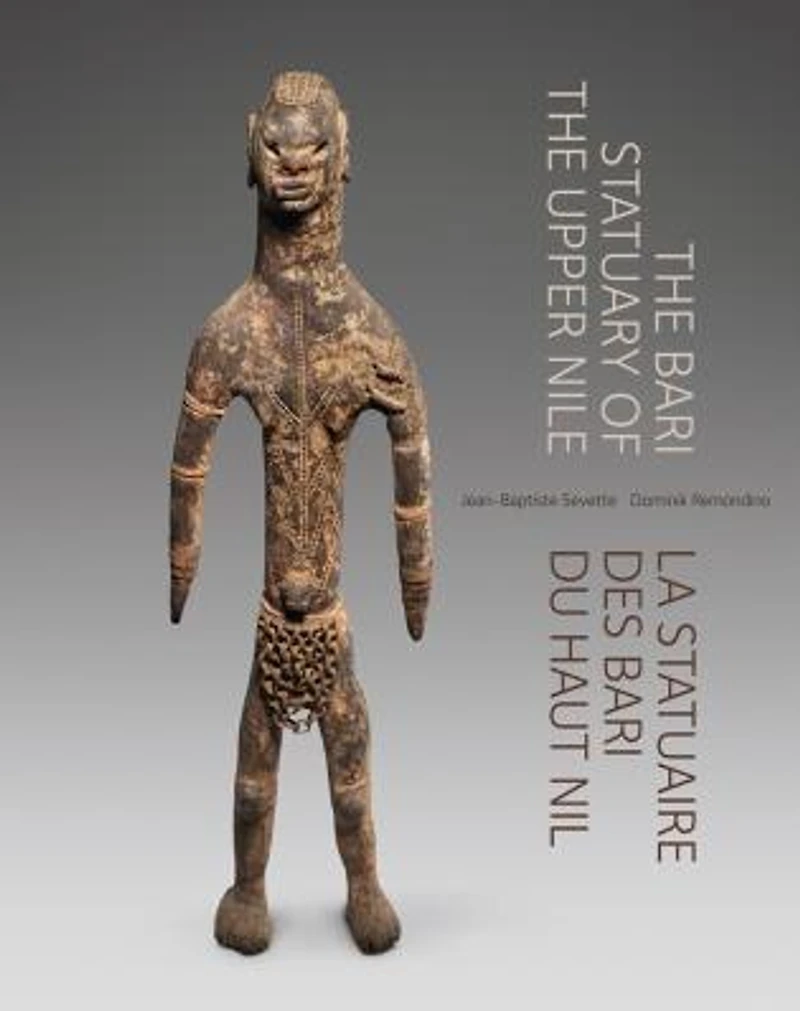
The Bari Statuary of the Upper Nile in Ottawa, ON
Current price: $65.00

The Bari Statuary of the Upper Nile in Ottawa, ON
Current price: $65.00
Loading Inventory...
Size: Hardcover
*Product information may vary - to confirm product availability, pricing, shipping and return information please contact Coles
The Bari people, who settled on the banks of the White Nile, remained closed off from the outside world until the dawn of the 19th century. The earliest contact dates back to the "scientific" expedition commissioned in 1840 by Ismail Pascha, followed by repeated forays by explorers in search of the sources of the Nile during the closing decades of the Ottoman period in Egypt, interspersed with the often competing efforts of slave hunters.
This book places the collection of Bari statues known today in the historical context of the Egyptian Sudan, from the earliest contacts with explorers Joseph Pons d'Arnaud and Wilhelm Werne in 1841 to the final stages of the pre-colonial era described by Wilhelm Junker. Many museums founded during the 19th century embarked on a frantic scramble to collect ethnographic objects, relying in particular on explorers, but also on traders and adventurers. This book catalogs the roughly 63 Bari statues that are known today and offers a comprehensive overview of historical sources and current knowledge of the Egyptian Sudan that provide the context for these works, their use and stylistic diversity.
Text in English and French.
The Bari people, who settled on the banks of the White Nile, remained closed off from the outside world until the dawn of the 19th century. The earliest contact dates back to the "scientific" expedition commissioned in 1840 by Ismail Pascha, followed by repeated forays by explorers in search of the sources of the Nile during the closing decades of the Ottoman period in Egypt, interspersed with the often competing efforts of slave hunters.
This book places the collection of Bari statues known today in the historical context of the Egyptian Sudan, from the earliest contacts with explorers Joseph Pons d'Arnaud and Wilhelm Werne in 1841 to the final stages of the pre-colonial era described by Wilhelm Junker. Many museums founded during the 19th century embarked on a frantic scramble to collect ethnographic objects, relying in particular on explorers, but also on traders and adventurers. This book catalogs the roughly 63 Bari statues that are known today and offers a comprehensive overview of historical sources and current knowledge of the Egyptian Sudan that provide the context for these works, their use and stylistic diversity.
Text in English and French.
You May Also Like









More About Coles at Bayshore Shopping Centre
Coles is renowned for its outstanding customer service and great selection of books. Along with the vast array of magazines, stationary, audio-books, children's literature, fiction, non-fiction and reference books, you can find accessories to make your reading experience more pleasurable. We can recommend the very best in reading today. We will help you search our titles for exactly what you need, and if we do not have it in stock, we will order it for you.
100 Bayshore Dr, Nepean, ON K2B 8C1, Canada
Find Coles at Bayshore Shopping Centre in Ottawa, ON
Visit Coles at Bayshore Shopping Centre in Ottawa, ON