

Give the Gift of Choice!
Too many options? Treat your friends and family to their favourite stores with a Bayshore Shopping Centre gift card, redeemable at participating retailers throughout the centre. Click below to purchase yours today!Purchase HereHome
the Battle of Classics: How a Nineteenth-Century Debate Can Save Humanities Today
Coles
Loading Inventory...
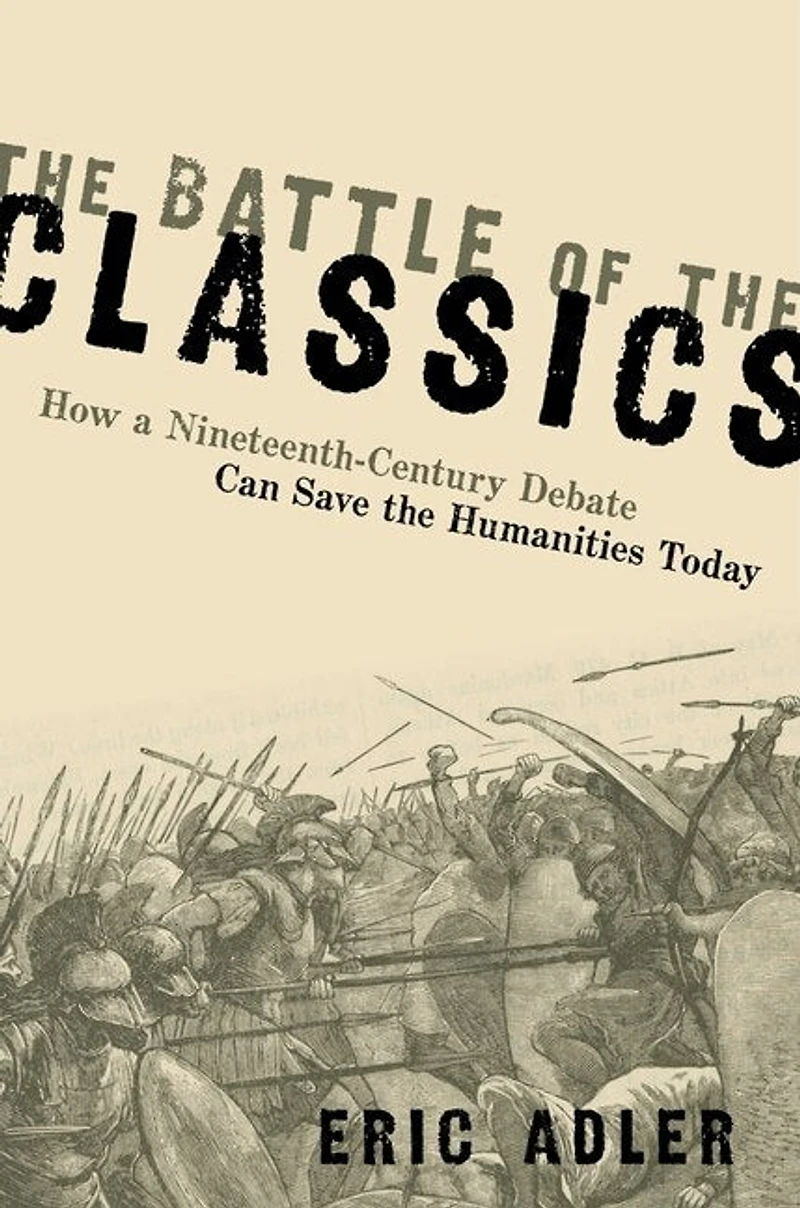

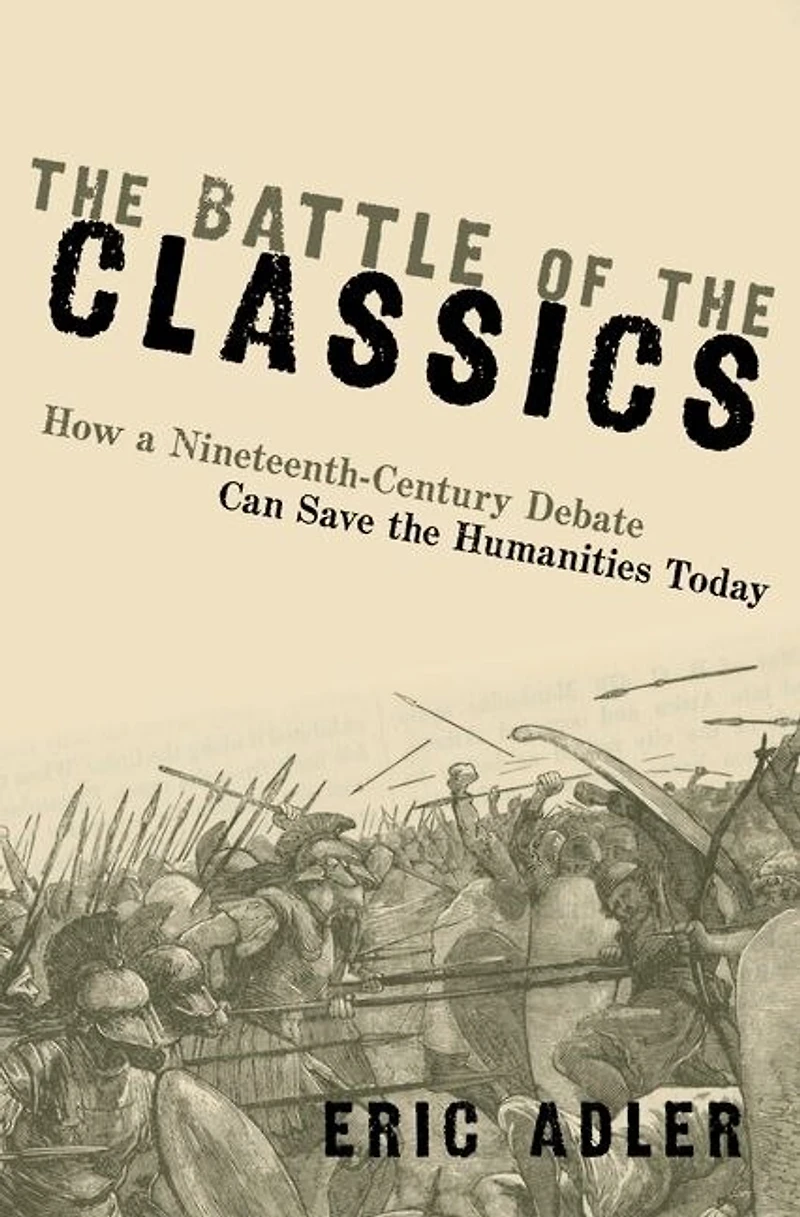
the Battle of Classics: How a Nineteenth-Century Debate Can Save Humanities Today in Ottawa, ON
Current price: $60.22

the Battle of Classics: How a Nineteenth-Century Debate Can Save Humanities Today in Ottawa, ON
Current price: $60.22
Loading Inventory...
Size: Hardcover
*Product information may vary - to confirm product availability, pricing, shipping and return information please contact Coles
These are troubling days for the humanities. In response, a recent proliferation of works defending the humanities has emerged. But, taken together, what are these works really saying, and how persuasive do they prove? The Battle of the Classics demonstrates the crucial downsides of contemporary apologetics for the humanities and presents in its place a historically informed case for a different approach to rescuing the humanistic disciplines in higher education. It reopens the passionate debates about the classics that took place in late nineteenth- and early twentieth-century America as a springboard for crafting a novel foundation for the humanistic tradition.
Eric Adler demonstrates that current defenses of the humanities rely on the humanistic disciplines as inculcators of certain poorly defined skills such as "critical thinking." It criticizes this conventional approach, contending that humanists cannot hope to save their disciplines without arguing in favor of particular humanities content. As the uninspired defenses of the classical humanities in the late nineteenth century prove, instrumental apologetics are bound to fail. All the same, the book shows that proponents of the Great Books favor a curriculum that is too intellectually narrow for the twenty-first century. The Battle of the Classics thus lays out a substance-based approach to undergraduate education that will revive the humanities, even as it steers clear of overreliance on the Western canon. The book envisions a global humanities based on the examination of masterworks from manifold cultures as the heart of an intellectually and morally sound education.
These are troubling days for the humanities. In response, a recent proliferation of works defending the humanities has emerged. But, taken together, what are these works really saying, and how persuasive do they prove? The Battle of the Classics demonstrates the crucial downsides of contemporary apologetics for the humanities and presents in its place a historically informed case for a different approach to rescuing the humanistic disciplines in higher education. It reopens the passionate debates about the classics that took place in late nineteenth- and early twentieth-century America as a springboard for crafting a novel foundation for the humanistic tradition.
Eric Adler demonstrates that current defenses of the humanities rely on the humanistic disciplines as inculcators of certain poorly defined skills such as "critical thinking." It criticizes this conventional approach, contending that humanists cannot hope to save their disciplines without arguing in favor of particular humanities content. As the uninspired defenses of the classical humanities in the late nineteenth century prove, instrumental apologetics are bound to fail. All the same, the book shows that proponents of the Great Books favor a curriculum that is too intellectually narrow for the twenty-first century. The Battle of the Classics thus lays out a substance-based approach to undergraduate education that will revive the humanities, even as it steers clear of overreliance on the Western canon. The book envisions a global humanities based on the examination of masterworks from manifold cultures as the heart of an intellectually and morally sound education.
You May Also Like
















More About Coles at Bayshore Shopping Centre
Coles is renowned for its outstanding customer service and great selection of books. Along with the vast array of magazines, stationary, audio-books, children's literature, fiction, non-fiction and reference books, you can find accessories to make your reading experience more pleasurable. We can recommend the very best in reading today. We will help you search our titles for exactly what you need, and if we do not have it in stock, we will order it for you.
100 Bayshore Dr, Nepean, ON K2B 8C1, Canada
Find Coles at Bayshore Shopping Centre in Ottawa, ON
Visit Coles at Bayshore Shopping Centre in Ottawa, ON