

Give the Gift of Choice!
Too many options? Treat your friends and family to their favourite stores with a Bayshore Shopping Centre gift card, redeemable at participating retailers throughout the centre. Click below to purchase yours today!Purchase HereHome
The Belt of Seven Totems: A Story of Massasoit
Coles
Loading Inventory...
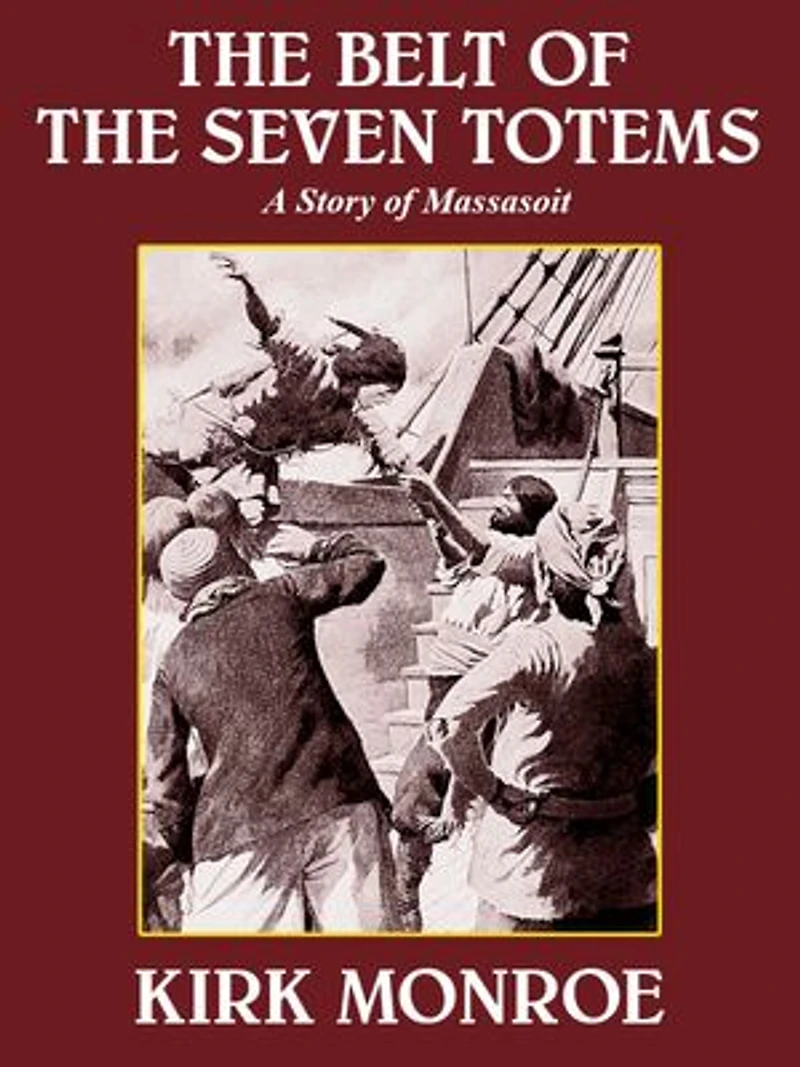
The Belt of Seven Totems: A Story of Massasoit in Ottawa, ON
Current price: $0.99

The Belt of Seven Totems: A Story of Massasoit in Ottawa, ON
Current price: $0.99
Loading Inventory...
Size: Kobo eBook
*Product information may vary - to confirm product availability, pricing, shipping and return information please contact Coles
Massasoit Sachem, or Ousamequin (1581–1661), was the sachem or leader of the Wampanoag confederacy. “Massasoit” means “Great Sachem.”
This novel was not intended as a true recreation of Pilgram-era history; instead, it is the author’s attempt to reconcile apparently conflicting historical facts and to explain an otherwise inexplicable situation concerning Native Americans and European settlers. At the time of the Pilgrims, all Native Americans—not excepting those of New England—had suffered repeated outrage at the hands of white men, and in no case had they been given any cause to love the invaders of their country or to welcome their presence. Why, then, did the powerful Massasoit permit a white invasion of his territory that he could so easily have crushed?
Clearly a strong friendship existed from the very first between him and Edward Winslow, and Winslow seems to have exercised a great influence over the New England sachem. What was the origin of this friendship? The Narragansetts, while submitting to Massasoit’s authority, were always in sullen opposition to it. Why? It is to answer these questions that Kirk Monroe constructed this tale, and he advances a convincing theory through it.
Massasoit Sachem, or Ousamequin (1581–1661), was the sachem or leader of the Wampanoag confederacy. “Massasoit” means “Great Sachem.”
This novel was not intended as a true recreation of Pilgram-era history; instead, it is the author’s attempt to reconcile apparently conflicting historical facts and to explain an otherwise inexplicable situation concerning Native Americans and European settlers. At the time of the Pilgrims, all Native Americans—not excepting those of New England—had suffered repeated outrage at the hands of white men, and in no case had they been given any cause to love the invaders of their country or to welcome their presence. Why, then, did the powerful Massasoit permit a white invasion of his territory that he could so easily have crushed?
Clearly a strong friendship existed from the very first between him and Edward Winslow, and Winslow seems to have exercised a great influence over the New England sachem. What was the origin of this friendship? The Narragansetts, while submitting to Massasoit’s authority, were always in sullen opposition to it. Why? It is to answer these questions that Kirk Monroe constructed this tale, and he advances a convincing theory through it.
You May Also Like







More About Coles at Bayshore Shopping Centre
Coles is renowned for its outstanding customer service and great selection of books. Along with the vast array of magazines, stationary, audio-books, children's literature, fiction, non-fiction and reference books, you can find accessories to make your reading experience more pleasurable. We can recommend the very best in reading today. We will help you search our titles for exactly what you need, and if we do not have it in stock, we will order it for you.
100 Bayshore Dr, Nepean, ON K2B 8C1, Canada
Find Coles at Bayshore Shopping Centre in Ottawa, ON
Visit Coles at Bayshore Shopping Centre in Ottawa, ON