

Give the Gift of Choice!
Too many options? Treat your friends and family to their favourite stores with a Bayshore Shopping Centre gift card, redeemable at participating retailers throughout the centre. Click below to purchase yours today!Purchase HereHome
The Bible Among Ruins: Time, Material Remains, and the World of the Biblical Writers
Coles
Loading Inventory...
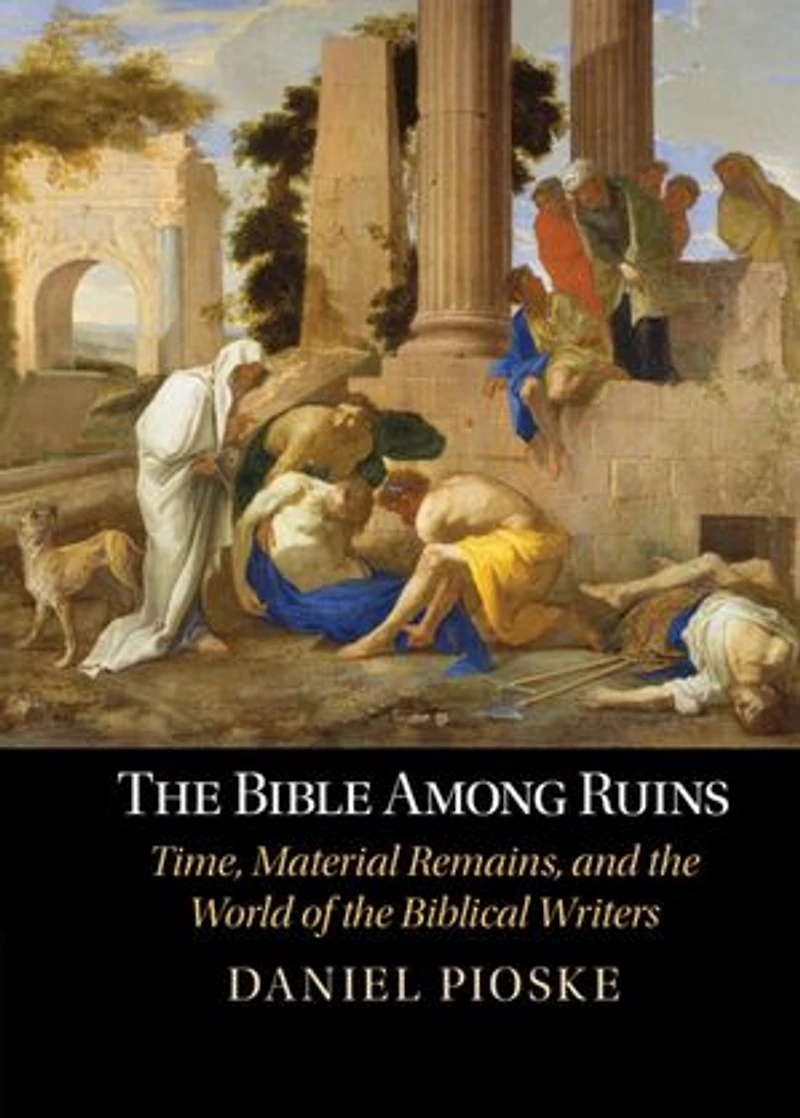
The Bible Among Ruins: Time, Material Remains, and the World of the Biblical Writers in Ottawa, ON
Current price: $106.39
Original price: $132.95

The Bible Among Ruins: Time, Material Remains, and the World of the Biblical Writers in Ottawa, ON
Current price: $106.39
Original price: $132.95
Loading Inventory...
Size: Kobo eBook
*Product information may vary - to confirm product availability, pricing, shipping and return information please contact Coles
Biblical writers lived in a world that was already ancient. The lands familiar to them were populated throughout by the ruins of those who had lived two thousand years earlier. References to ruins abound in the Hebrew Bible, attesting to widespread familiarity with the material remains by those who wrote these texts. Never, however, do we find a single passage that expresses an interest in digging among these ruins to learn about those who lived before. Why? In this book, Daniel Pioske offers the first study of ruination in the Hebrew Bible. Drawing on scholarship in biblical studies, archaeology, contemporary historical theory, and philosophy, he demonstrates how the ancient experience of ruins differed radically from that of the modern era. For biblical writers, ruins were connected to temporalities of memory, presence, and anticipation. Pioske's book recreates the encounter with ruins as it was experienced during antiquity and shows how modern archaeological research has transformed how we read the Bible.
Biblical writers lived in a world that was already ancient. The lands familiar to them were populated throughout by the ruins of those who had lived two thousand years earlier. References to ruins abound in the Hebrew Bible, attesting to widespread familiarity with the material remains by those who wrote these texts. Never, however, do we find a single passage that expresses an interest in digging among these ruins to learn about those who lived before. Why? In this book, Daniel Pioske offers the first study of ruination in the Hebrew Bible. Drawing on scholarship in biblical studies, archaeology, contemporary historical theory, and philosophy, he demonstrates how the ancient experience of ruins differed radically from that of the modern era. For biblical writers, ruins were connected to temporalities of memory, presence, and anticipation. Pioske's book recreates the encounter with ruins as it was experienced during antiquity and shows how modern archaeological research has transformed how we read the Bible.
You May Also Like














More About Coles at Bayshore Shopping Centre
Coles is renowned for its outstanding customer service and great selection of books. Along with the vast array of magazines, stationary, audio-books, children's literature, fiction, non-fiction and reference books, you can find accessories to make your reading experience more pleasurable. We can recommend the very best in reading today. We will help you search our titles for exactly what you need, and if we do not have it in stock, we will order it for you.
100 Bayshore Dr, Nepean, ON K2B 8C1, Canada
Find Coles at Bayshore Shopping Centre in Ottawa, ON
Visit Coles at Bayshore Shopping Centre in Ottawa, ON