

Give the Gift of Choice!
Too many options? Treat your friends and family to their favourite stores with a Bayshore Shopping Centre gift card, redeemable at participating retailers throughout the centre. Click below to purchase yours today!Purchase HereHome
The Biology of Desire: Why Addiction Is Not a Disease
Coles
Loading Inventory...
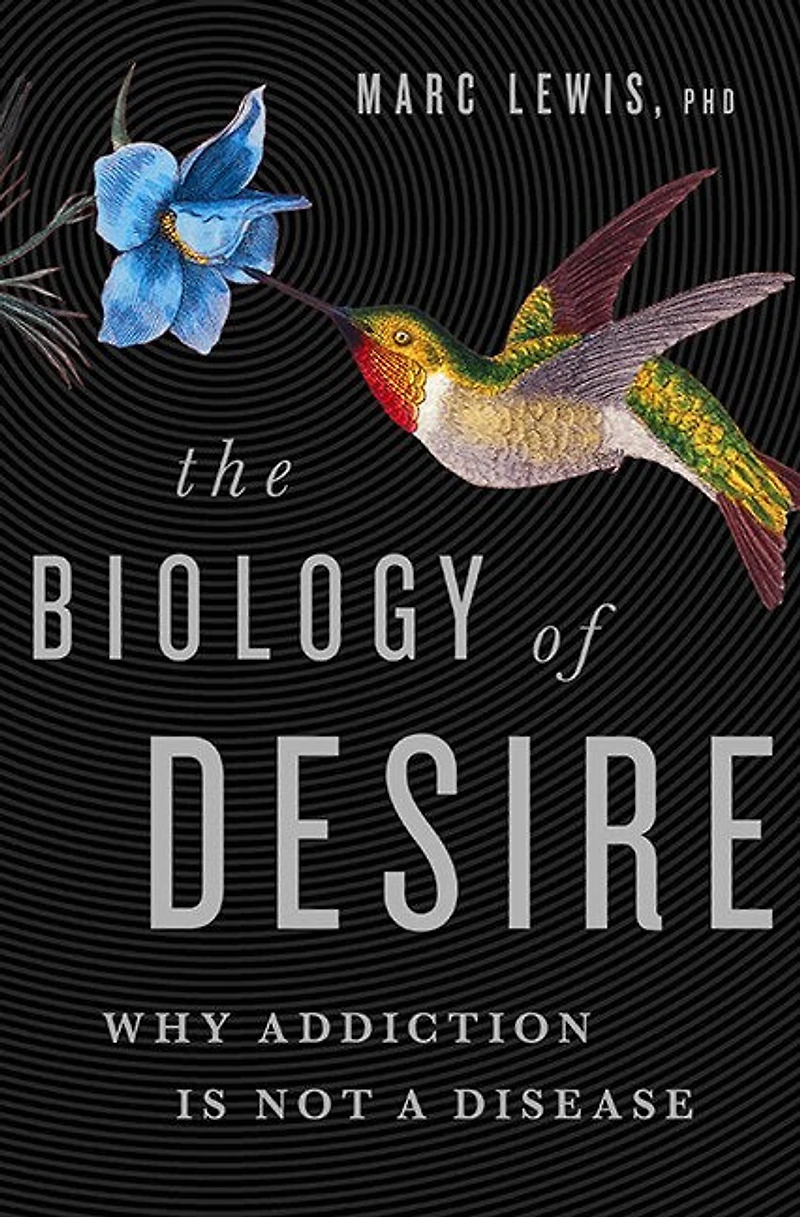
The Biology of Desire: Why Addiction Is Not a Disease in Ottawa, ON
Current price: $35.50

The Biology of Desire: Why Addiction Is Not a Disease in Ottawa, ON
Current price: $35.50
Loading Inventory...
Size: Hardcover
*Product information may vary - to confirm product availability, pricing, shipping and return information please contact Coles
Through the vivid, true stories of five people who journeyed into and out of addiction, a renowned neuroscientist explains why the "disease model" of addiction is wrong and illuminates the path to recovery. The psychiatric establishment and rehab industry in the Western world have branded addiction a brain disease. But in The Biology of Desire , cognitive neuroscientist and former addict Marc Lewis makes a convincing case that addiction is not a disease, and shows why the disease model has become an obstacle to healing. Lewis reveals addiction as an unintended consequence of the brain doing what it's supposed to do-seek pleasure and relief-in a world that's not cooperating. As a result, most treatment based on the disease model fails. Lewis shows how treatment can be retooled to achieve lasting recovery. This is enlightening and optimistic reading for anyone who has wrestled with addiction either personally or professionally.
Through the vivid, true stories of five people who journeyed into and out of addiction, a renowned neuroscientist explains why the "disease model" of addiction is wrong and illuminates the path to recovery. The psychiatric establishment and rehab industry in the Western world have branded addiction a brain disease. But in The Biology of Desire , cognitive neuroscientist and former addict Marc Lewis makes a convincing case that addiction is not a disease, and shows why the disease model has become an obstacle to healing. Lewis reveals addiction as an unintended consequence of the brain doing what it's supposed to do-seek pleasure and relief-in a world that's not cooperating. As a result, most treatment based on the disease model fails. Lewis shows how treatment can be retooled to achieve lasting recovery. This is enlightening and optimistic reading for anyone who has wrestled with addiction either personally or professionally.
You May Also Like










More About Coles at Bayshore Shopping Centre
Coles is renowned for its outstanding customer service and great selection of books. Along with the vast array of magazines, stationary, audio-books, children's literature, fiction, non-fiction and reference books, you can find accessories to make your reading experience more pleasurable. We can recommend the very best in reading today. We will help you search our titles for exactly what you need, and if we do not have it in stock, we will order it for you.
100 Bayshore Dr, Nepean, ON K2B 8C1, Canada
Find Coles at Bayshore Shopping Centre in Ottawa, ON
Visit Coles at Bayshore Shopping Centre in Ottawa, ON