

Give the Gift of Choice!
Too many options? Treat your friends and family to their favourite stores with a Bayshore Shopping Centre gift card, redeemable at participating retailers throughout the centre. Click below to purchase yours today!Purchase HereHome
The Biopolitical Turn World Cinema: Visual Landscapes of Social Power
Coles
Loading Inventory...
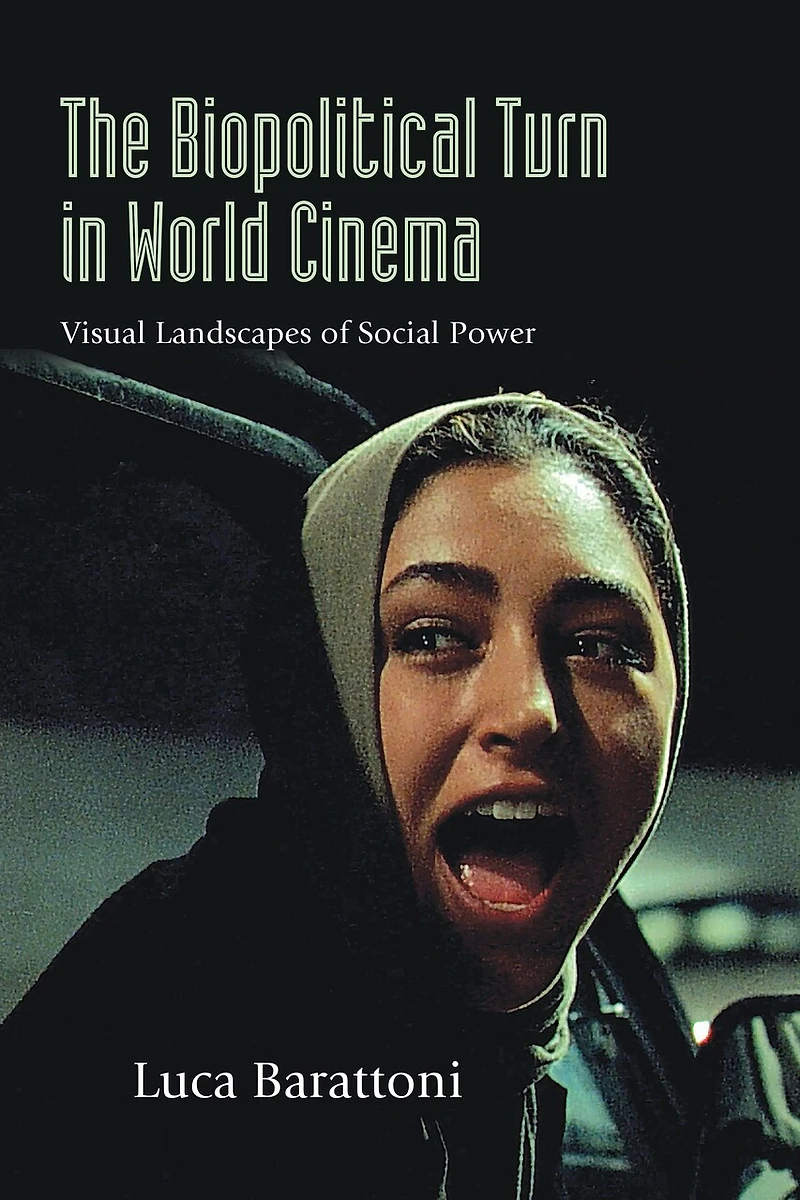

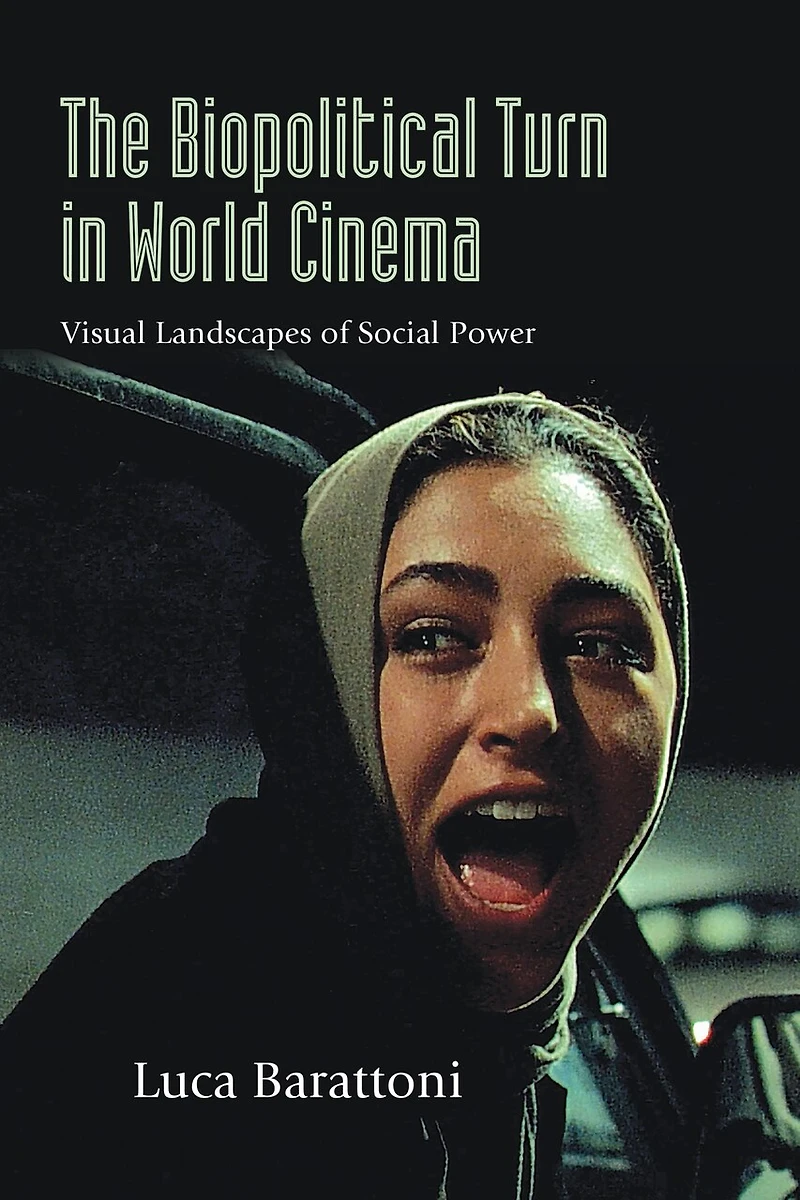
The Biopolitical Turn World Cinema: Visual Landscapes of Social Power in Ottawa, ON
Current price: $175.95

The Biopolitical Turn World Cinema: Visual Landscapes of Social Power in Ottawa, ON
Current price: $175.95
Loading Inventory...
Size: Hardcover
*Product information may vary - to confirm product availability, pricing, shipping and return information please contact Coles
explores how cinematic form and content understand and represent relationships of power between the state and life itself. Cinema, it argues, is both technical apparatus and aesthetic object and as such is imminently biopolitical, both as a medium of governmental control and as a site of resistance. The book analyzes a range of cinematic movements, paying particular attention to postsocialist and postrevolutionary filmmakers from Iran (Asghar Farhadi), Russia (Sergei Loznitsa), China (Xiaoshuai Wang), and Romania (Radu Jude). The book concludes by looking toward filmmakers—from Jordan Peele to Albert Serra—who further illuminate the limits of biopolitical paradigms, offering new ways of understanding contemporary political and ethical challenges posed by neoliberal globalization. While this book will appeal to film studies specialists, it is also a comprehensive introduction to film theory and biopolitical thought that will appeal to nonacademic and student readers with an interest in the subjects.
explores how cinematic form and content understand and represent relationships of power between the state and life itself. Cinema, it argues, is both technical apparatus and aesthetic object and as such is imminently biopolitical, both as a medium of governmental control and as a site of resistance. The book analyzes a range of cinematic movements, paying particular attention to postsocialist and postrevolutionary filmmakers from Iran (Asghar Farhadi), Russia (Sergei Loznitsa), China (Xiaoshuai Wang), and Romania (Radu Jude). The book concludes by looking toward filmmakers—from Jordan Peele to Albert Serra—who further illuminate the limits of biopolitical paradigms, offering new ways of understanding contemporary political and ethical challenges posed by neoliberal globalization. While this book will appeal to film studies specialists, it is also a comprehensive introduction to film theory and biopolitical thought that will appeal to nonacademic and student readers with an interest in the subjects.
You May Also Like












More About Coles at Bayshore Shopping Centre
Coles is renowned for its outstanding customer service and great selection of books. Along with the vast array of magazines, stationary, audio-books, children's literature, fiction, non-fiction and reference books, you can find accessories to make your reading experience more pleasurable. We can recommend the very best in reading today. We will help you search our titles for exactly what you need, and if we do not have it in stock, we will order it for you.
100 Bayshore Dr, Nepean, ON K2B 8C1, Canada
Find Coles at Bayshore Shopping Centre in Ottawa, ON
Visit Coles at Bayshore Shopping Centre in Ottawa, ON