

Give the Gift of Choice!
Too many options? Treat your friends and family to their favourite stores with a Bayshore Shopping Centre gift card, redeemable at participating retailers throughout the centre. Click below to purchase yours today!Purchase HereHome
the Black Scorpions: Serving with 64th Fighter Squadron World War II
Coles
Loading Inventory...
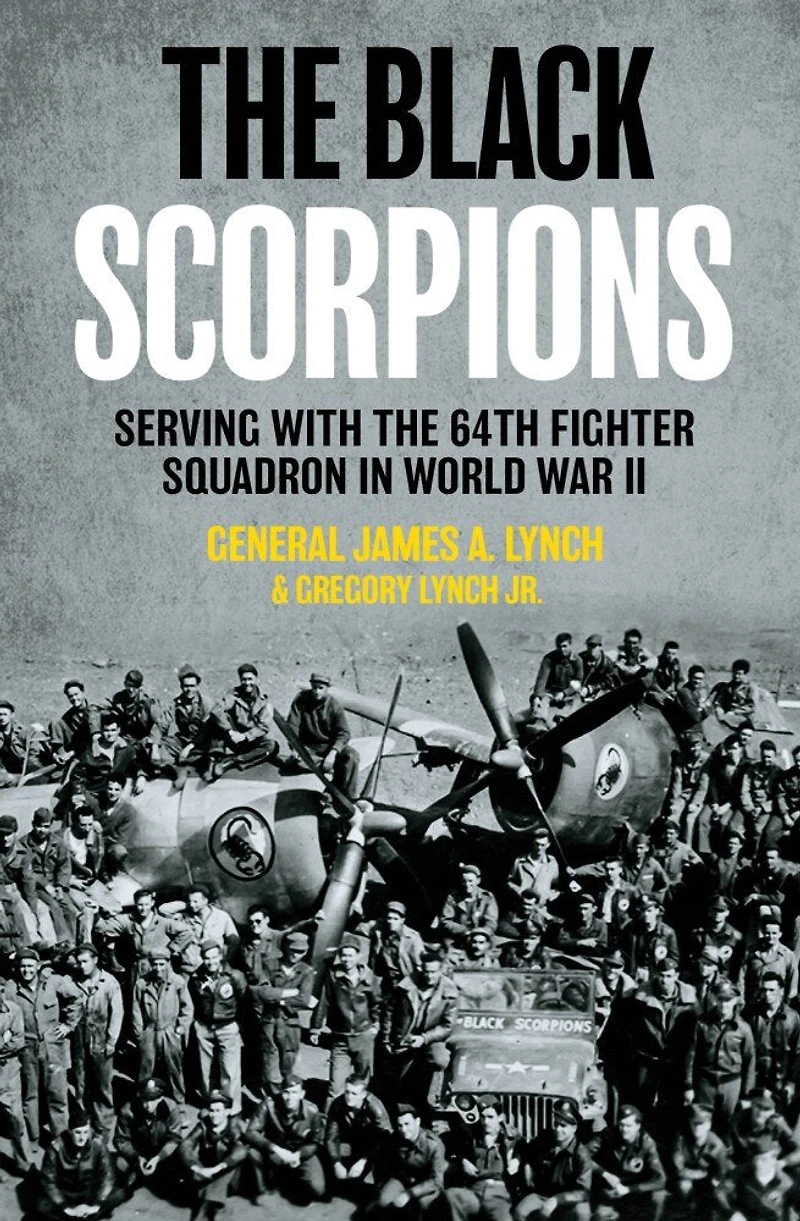
the Black Scorpions: Serving with 64th Fighter Squadron World War II in Ottawa, ON
Current price: $58.50

the Black Scorpions: Serving with 64th Fighter Squadron World War II in Ottawa, ON
Current price: $58.50
Loading Inventory...
Size: Hardcover
*Product information may vary - to confirm product availability, pricing, shipping and return information please contact Coles
"This book richly details life in a fighter squadron. Readers will learn new details and gain a better understanding of the daily experience outside of the intense combat environment. It is well worth reading this contribution to World War II oral history." -The Journal of America's Military Past On December 6, 1941, despite his objections, James Lynch was discharged from the Army for being over age in grade. After the terrible events at Pearl Harbor, James Lynch was recalled to duty. Within a month he was part of the Air Corps, involved in a secret project to send air support to help General Montgomery and the Eighth Army. He joined the nucleus of officers in charge of the 64th Fighter Squadron, 57th Fighter Group. For the next 33 months, he fought across the top of Africa and then up through Italy. The 57th Fighter Group arrived in Egypt just in time for the battle at El Alamein. How the United States was able to get the pink-winged P-40s to the battlefield baffled the Germans for many years. The Black Scorpions chased the Afrika Corps across the top of Africa, culminating in the Palm Sunday massacre where the Squadron helped shoot down 74 planes in a single engagement. For the Italian campaign, the Black Scorpions switched from P-40s to P-47s, changing from fighters to bombers and disrupting the German and Italian lines up the Italian Peninsula. Through all the battles, including a battle with an erupting Mount Vesuvius, James Lynch kept an unauthorized diary. He also collected daily intelligence reports, newspaper stories, souvenirs, pictures, and letters from home. After the war he reminisced with fellow soldiers about their experiences, and eventually felt it was time to write the story of the Black Scorpions-this book is the result.
"This book richly details life in a fighter squadron. Readers will learn new details and gain a better understanding of the daily experience outside of the intense combat environment. It is well worth reading this contribution to World War II oral history." -The Journal of America's Military Past On December 6, 1941, despite his objections, James Lynch was discharged from the Army for being over age in grade. After the terrible events at Pearl Harbor, James Lynch was recalled to duty. Within a month he was part of the Air Corps, involved in a secret project to send air support to help General Montgomery and the Eighth Army. He joined the nucleus of officers in charge of the 64th Fighter Squadron, 57th Fighter Group. For the next 33 months, he fought across the top of Africa and then up through Italy. The 57th Fighter Group arrived in Egypt just in time for the battle at El Alamein. How the United States was able to get the pink-winged P-40s to the battlefield baffled the Germans for many years. The Black Scorpions chased the Afrika Corps across the top of Africa, culminating in the Palm Sunday massacre where the Squadron helped shoot down 74 planes in a single engagement. For the Italian campaign, the Black Scorpions switched from P-40s to P-47s, changing from fighters to bombers and disrupting the German and Italian lines up the Italian Peninsula. Through all the battles, including a battle with an erupting Mount Vesuvius, James Lynch kept an unauthorized diary. He also collected daily intelligence reports, newspaper stories, souvenirs, pictures, and letters from home. After the war he reminisced with fellow soldiers about their experiences, and eventually felt it was time to write the story of the Black Scorpions-this book is the result.
You May Also Like







More About Coles at Bayshore Shopping Centre
Coles is renowned for its outstanding customer service and great selection of books. Along with the vast array of magazines, stationary, audio-books, children's literature, fiction, non-fiction and reference books, you can find accessories to make your reading experience more pleasurable. We can recommend the very best in reading today. We will help you search our titles for exactly what you need, and if we do not have it in stock, we will order it for you.
100 Bayshore Dr, Nepean, ON K2B 8C1, Canada
Find Coles at Bayshore Shopping Centre in Ottawa, ON
Visit Coles at Bayshore Shopping Centre in Ottawa, ON