

Give the Gift of Choice!
Too many options? Treat your friends and family to their favourite stores with a Bayshore Shopping Centre gift card, redeemable at participating retailers throughout the centre. Click below to purchase yours today!Purchase HereHome
The Body of Evidence: Corpses and Proofs in Early Modern European Medicine
Coles
Loading Inventory...
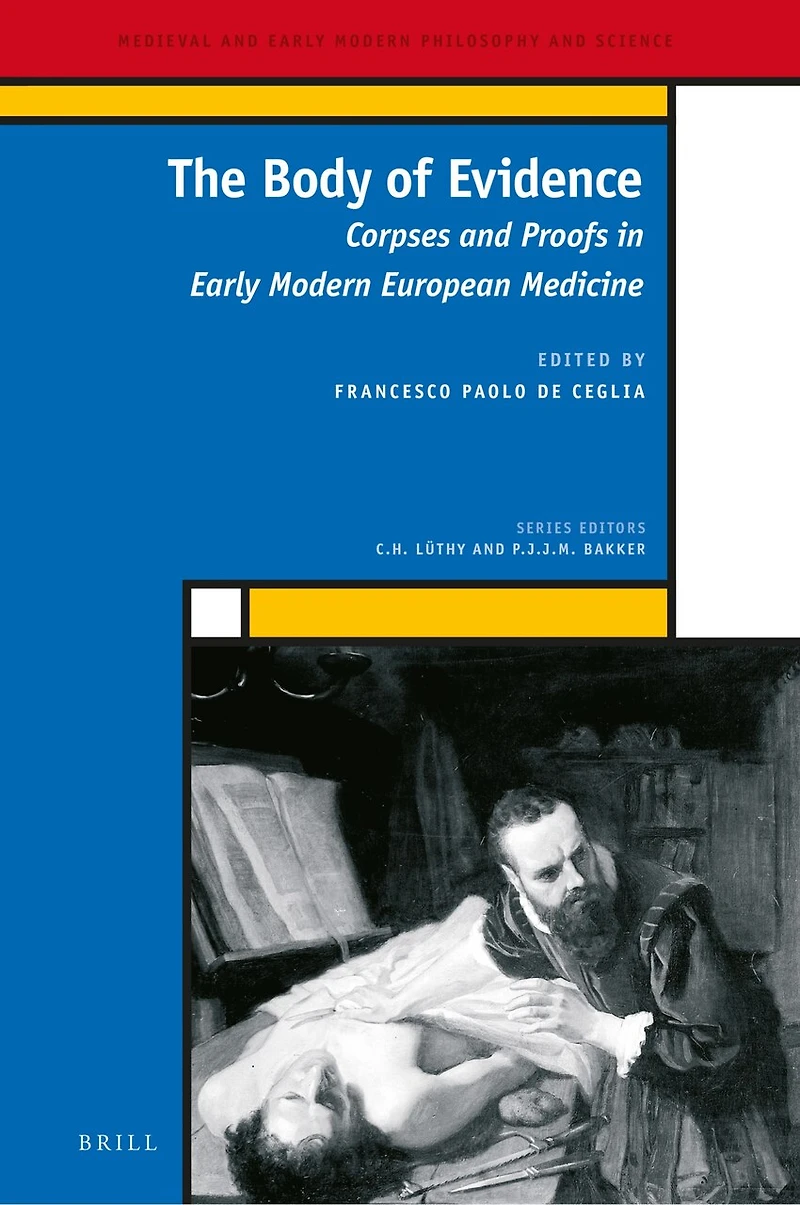
The Body of Evidence: Corpses and Proofs in Early Modern European Medicine in Ottawa, ON
Current price: $275.99

The Body of Evidence: Corpses and Proofs in Early Modern European Medicine in Ottawa, ON
Current price: $275.99
Loading Inventory...
Size: Hardcover
*Product information may vary - to confirm product availability, pricing, shipping and return information please contact Coles
When, why and how was it first believed that the corpse could reveal ‘signs’ useful for understanding the causes of death and eventually identifying those responsible for it? The Body of Evidence. Corpses and Proofs in Early Modern European Medicine , edited by Francesco Paolo de Ceglia, shows how in the late Middle Ages the dead body, which had previously rarely been questioned, became a specific object of investigation by doctors, philosophers, theologians and jurists. The volume sheds new light on the elements of continuity, but also on the effort made to liberate the semantization of the corpse from what were, broadly speaking, necromantic practices, which would eventually merge into forensic medicine.
When, why and how was it first believed that the corpse could reveal ‘signs’ useful for understanding the causes of death and eventually identifying those responsible for it? The Body of Evidence. Corpses and Proofs in Early Modern European Medicine , edited by Francesco Paolo de Ceglia, shows how in the late Middle Ages the dead body, which had previously rarely been questioned, became a specific object of investigation by doctors, philosophers, theologians and jurists. The volume sheds new light on the elements of continuity, but also on the effort made to liberate the semantization of the corpse from what were, broadly speaking, necromantic practices, which would eventually merge into forensic medicine.
You May Also Like







More About Coles at Bayshore Shopping Centre
Coles is renowned for its outstanding customer service and great selection of books. Along with the vast array of magazines, stationary, audio-books, children's literature, fiction, non-fiction and reference books, you can find accessories to make your reading experience more pleasurable. We can recommend the very best in reading today. We will help you search our titles for exactly what you need, and if we do not have it in stock, we will order it for you.
100 Bayshore Dr, Nepean, ON K2B 8C1, Canada
Find Coles at Bayshore Shopping Centre in Ottawa, ON
Visit Coles at Bayshore Shopping Centre in Ottawa, ON