

Give the Gift of Choice!
Too many options? Treat your friends and family to their favourite stores with a Bayshore Shopping Centre gift card, redeemable at participating retailers throughout the centre. Click below to purchase yours today!Purchase HereHome
The Brazilian Left in the 21st Century: Conflict and Conciliation in Peripheral Capitalism
Coles
Loading Inventory...
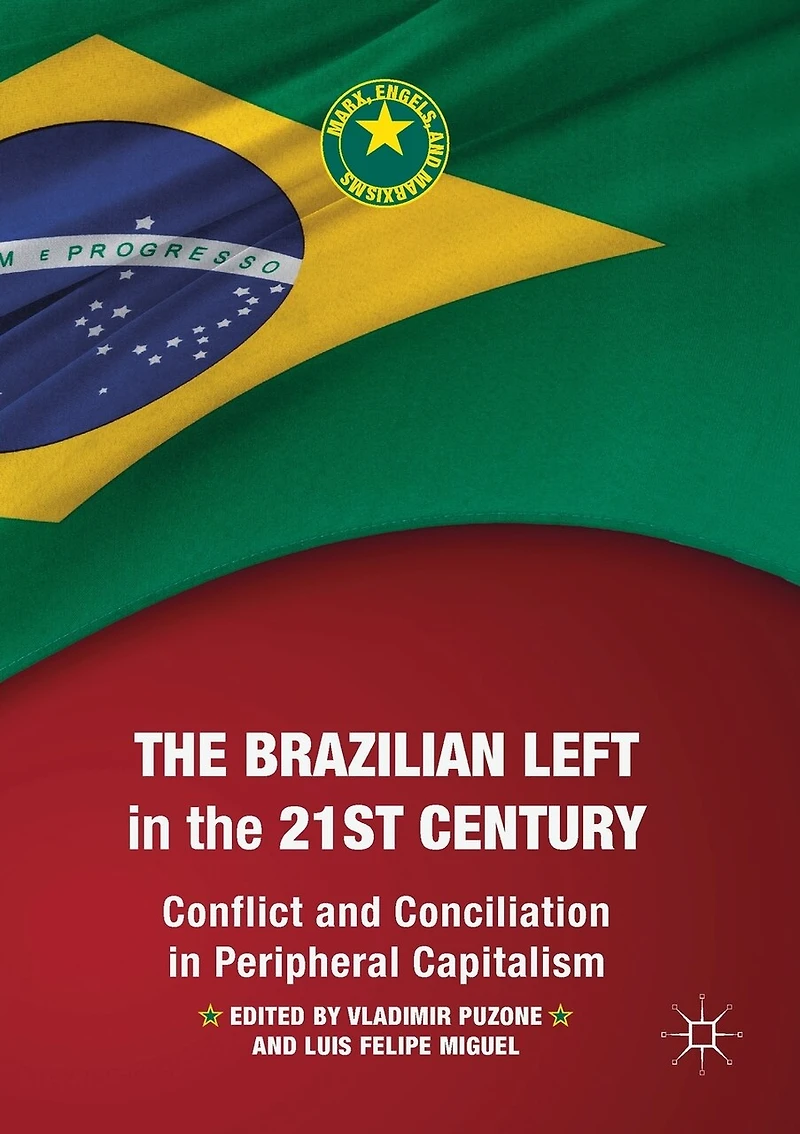
The Brazilian Left in the 21st Century: Conflict and Conciliation in Peripheral Capitalism in Ottawa, ON
Current price: $204.50

The Brazilian Left in the 21st Century: Conflict and Conciliation in Peripheral Capitalism in Ottawa, ON
Current price: $204.50
Loading Inventory...
Size: Paperback
*Product information may vary - to confirm product availability, pricing, shipping and return information please contact Coles
This book aims to reconstruct the role played by left movements and organizations in Brazil from their process of renewal in the 1980s as they fought against the civil-military dictatorship, going through the Workers' Party's governments in the 2000s, until the Party's dramatic defeat with a parliamentary coup in 2016. Henceforth, there have been attacks on social and political rights that severely affect the lower classes and reverted progressive policies on various issues. Through a historical reconstruction, this book analyzes how different left movements and organizations contributed to the democratization of Brazilian society, and how their contradictions contributed to the actual conservative turn. The essays also focus the development of Brazilian Left in the light of socialist politics and especially Marxism, both in terms of political organizations and theory. In this sense, the essays in this collection represent an effort to rethink some aspects of the history of the Brazilian left and how it can reorganize itself after the conservative turn.
This book aims to reconstruct the role played by left movements and organizations in Brazil from their process of renewal in the 1980s as they fought against the civil-military dictatorship, going through the Workers' Party's governments in the 2000s, until the Party's dramatic defeat with a parliamentary coup in 2016. Henceforth, there have been attacks on social and political rights that severely affect the lower classes and reverted progressive policies on various issues. Through a historical reconstruction, this book analyzes how different left movements and organizations contributed to the democratization of Brazilian society, and how their contradictions contributed to the actual conservative turn. The essays also focus the development of Brazilian Left in the light of socialist politics and especially Marxism, both in terms of political organizations and theory. In this sense, the essays in this collection represent an effort to rethink some aspects of the history of the Brazilian left and how it can reorganize itself after the conservative turn.
You May Also Like

















More About Coles at Bayshore Shopping Centre
Coles is renowned for its outstanding customer service and great selection of books. Along with the vast array of magazines, stationary, audio-books, children's literature, fiction, non-fiction and reference books, you can find accessories to make your reading experience more pleasurable. We can recommend the very best in reading today. We will help you search our titles for exactly what you need, and if we do not have it in stock, we will order it for you.
100 Bayshore Dr, Nepean, ON K2B 8C1, Canada
Find Coles at Bayshore Shopping Centre in Ottawa, ON
Visit Coles at Bayshore Shopping Centre in Ottawa, ON