

Give the Gift of Choice!
Too many options? Treat your friends and family to their favourite stores with a Bayshore Shopping Centre gift card, redeemable at participating retailers throughout the centre. Click below to purchase yours today!Purchase HereHome
The Built Environment Transformed: Textile Lancashire During The Industrial Revolution
Coles
Loading Inventory...
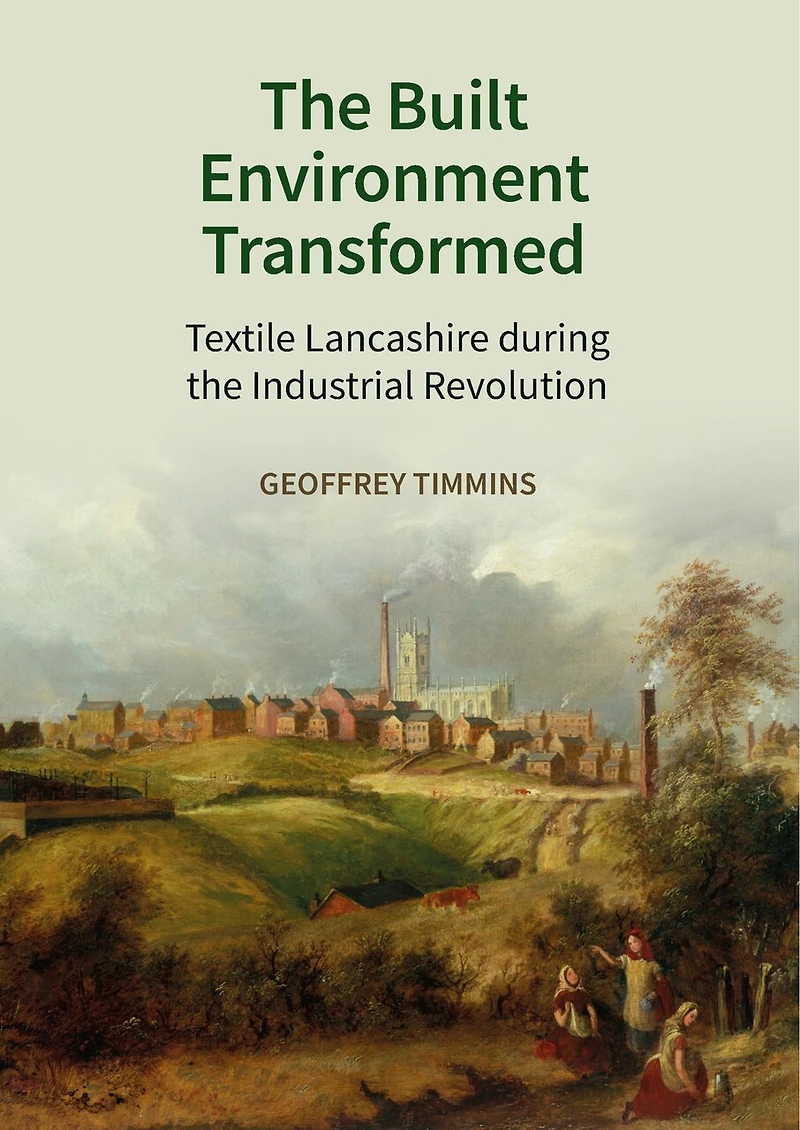
The Built Environment Transformed: Textile Lancashire During The Industrial Revolution in Ottawa, ON
Current price: $118.95

The Built Environment Transformed: Textile Lancashire During The Industrial Revolution in Ottawa, ON
Current price: $118.95
Loading Inventory...
Size: Hardcover
*Product information may vary - to confirm product availability, pricing, shipping and return information please contact Coles
This book is concerned with the remarkable changes made to the built environment in Lancashire’s main textile district – essentially the eastern and central parts of the county – during the Industrial Revolution (c1780-c1850). A case-study approach is taken, with findings from investigations at six different types of site being presented. The sites included are water-powered mill remains in the Cheesden Valley, near Rochdale; Barrow Bridge factory village, near Bolton; the former handloom weavers’ colony at Club Houses, Horwich; Preston’s Winckley Square; Eanam Wharf at Blackburn; and, to the north of Bolton, the road between Bromley Cross and Edgworth. The case studies show how, in rural and urban areas alike, developments in industry, housing and transport greatly extended the built environment and brought striking new features to it. Emphasis is placed on interpreting the physical evidence the sites provide, linking it with that taken from various types of documentary source, especially historical maps. By making comparisons with developments occurring at similar types of site elsewhere in Britain, as well as in Europe and North America, the forms the changes took are explained and their significance assessed. Additionally, insights are provided into the economic and social impact the changes brought, especially on the everyday lives that people led.
This book is concerned with the remarkable changes made to the built environment in Lancashire’s main textile district – essentially the eastern and central parts of the county – during the Industrial Revolution (c1780-c1850). A case-study approach is taken, with findings from investigations at six different types of site being presented. The sites included are water-powered mill remains in the Cheesden Valley, near Rochdale; Barrow Bridge factory village, near Bolton; the former handloom weavers’ colony at Club Houses, Horwich; Preston’s Winckley Square; Eanam Wharf at Blackburn; and, to the north of Bolton, the road between Bromley Cross and Edgworth. The case studies show how, in rural and urban areas alike, developments in industry, housing and transport greatly extended the built environment and brought striking new features to it. Emphasis is placed on interpreting the physical evidence the sites provide, linking it with that taken from various types of documentary source, especially historical maps. By making comparisons with developments occurring at similar types of site elsewhere in Britain, as well as in Europe and North America, the forms the changes took are explained and their significance assessed. Additionally, insights are provided into the economic and social impact the changes brought, especially on the everyday lives that people led.
You May Also Like










More About Coles at Bayshore Shopping Centre
Coles is renowned for its outstanding customer service and great selection of books. Along with the vast array of magazines, stationary, audio-books, children's literature, fiction, non-fiction and reference books, you can find accessories to make your reading experience more pleasurable. We can recommend the very best in reading today. We will help you search our titles for exactly what you need, and if we do not have it in stock, we will order it for you.
100 Bayshore Dr, Nepean, ON K2B 8C1, Canada
Find Coles at Bayshore Shopping Centre in Ottawa, ON
Visit Coles at Bayshore Shopping Centre in Ottawa, ON