

Give the Gift of Choice!
Too many options? Treat your friends and family to their favourite stores with a Bayshore Shopping Centre gift card, redeemable at participating retailers throughout the centre. Click below to purchase yours today!Purchase HereHome
the Byzantine Hellene: Life of Emperor Theodore Laskaris and Byzantium Thirteenth Century
Coles
Loading Inventory...
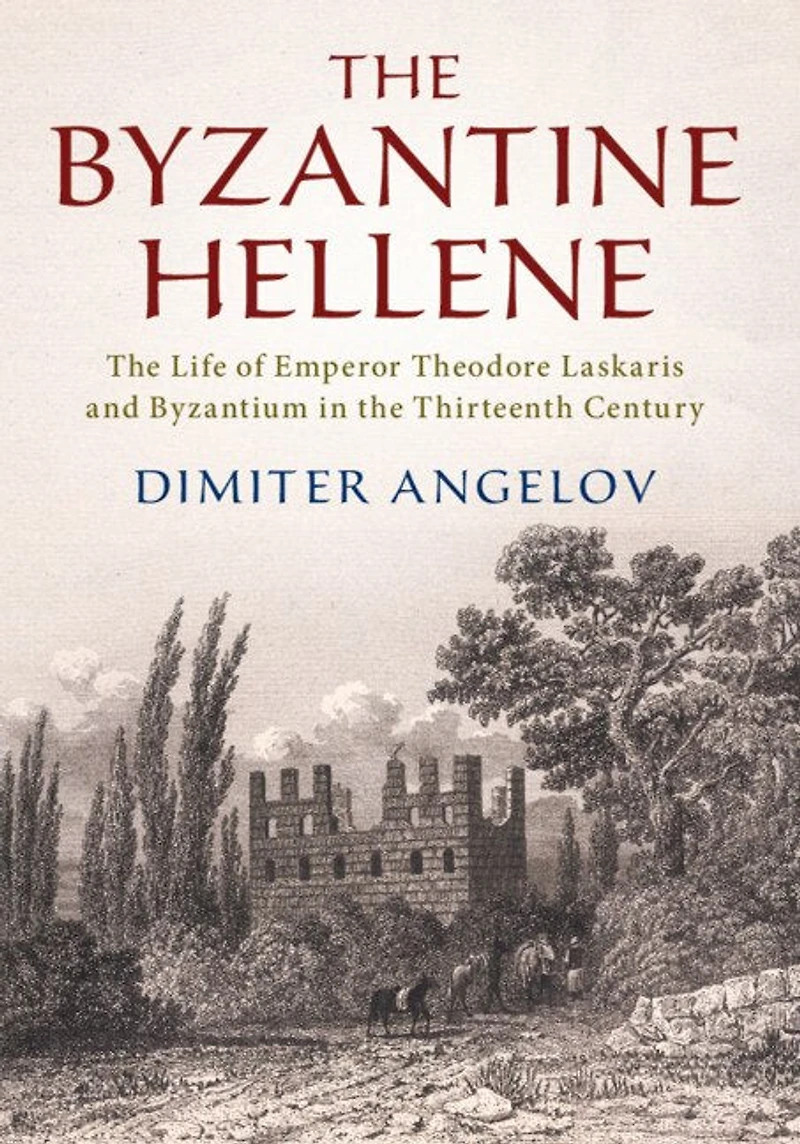
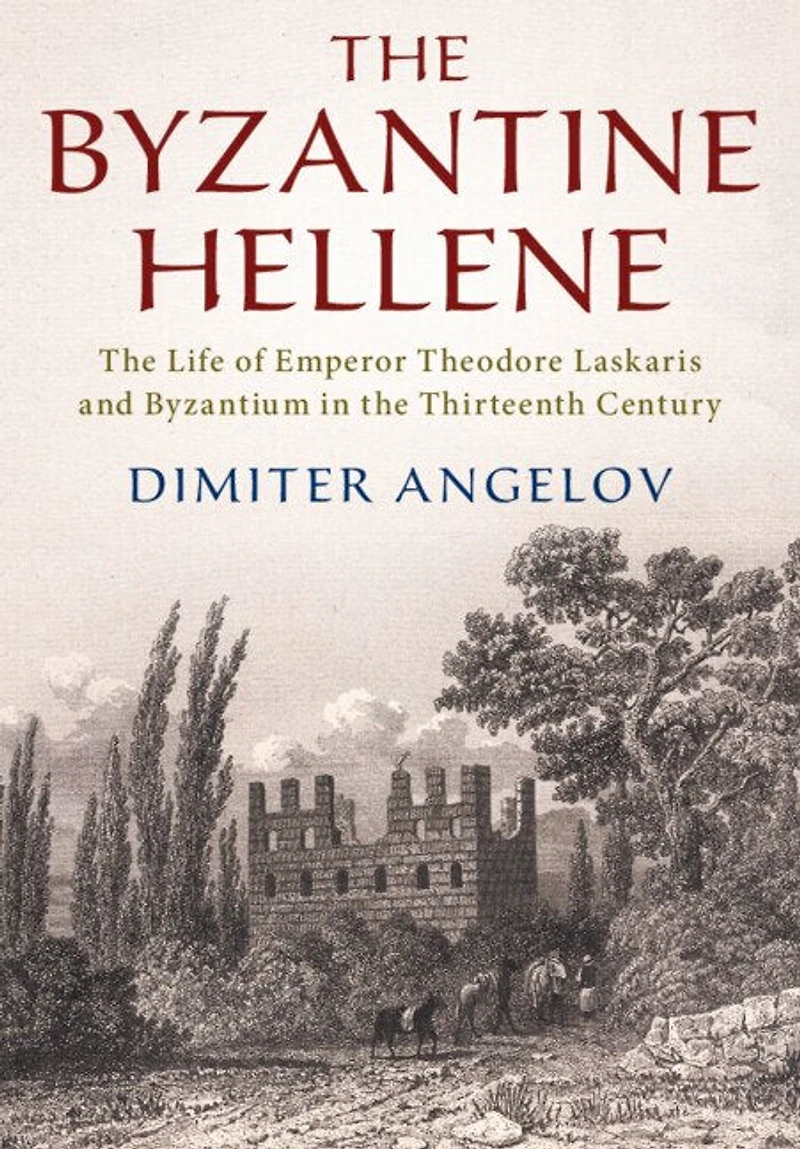
the Byzantine Hellene: Life of Emperor Theodore Laskaris and Byzantium Thirteenth Century in Ottawa, ON
Current price: $69.95

the Byzantine Hellene: Life of Emperor Theodore Laskaris and Byzantium Thirteenth Century in Ottawa, ON
Current price: $69.95
Loading Inventory...
Size: Hardcover
*Product information may vary - to confirm product availability, pricing, shipping and return information please contact Coles
This book tells the extraordinary story of Theodore II Laskaris, an emperor who ruled over the Byzantine state of Nicaea established in Asia Minor after the fall of Constantinople to the crusaders in 1204. Theodore Laskaris was a man of literary talent and keen intellect. His action-filled life, youthful mentality, anxiety about communal identity (Anatolian, Roman, and Hellenic), ambitious reforms cut short by an early death, and thoughts and feelings are all reconstructed on the basis of his rich and varied writings. His original philosophy, also explored here, led him to a critique of scholasticism in the West, a mathematically inspired theology, and a political vision of Hellenism. A personal biography, a ruler's biography, and an intellectual biography, this highly illustrated book opens a vista onto the eastern Mediterranean, Anatolia, and the Balkans in the thirteenth century, as seen from the vantage point of a key political actor and commentator.
This book tells the extraordinary story of Theodore II Laskaris, an emperor who ruled over the Byzantine state of Nicaea established in Asia Minor after the fall of Constantinople to the crusaders in 1204. Theodore Laskaris was a man of literary talent and keen intellect. His action-filled life, youthful mentality, anxiety about communal identity (Anatolian, Roman, and Hellenic), ambitious reforms cut short by an early death, and thoughts and feelings are all reconstructed on the basis of his rich and varied writings. His original philosophy, also explored here, led him to a critique of scholasticism in the West, a mathematically inspired theology, and a political vision of Hellenism. A personal biography, a ruler's biography, and an intellectual biography, this highly illustrated book opens a vista onto the eastern Mediterranean, Anatolia, and the Balkans in the thirteenth century, as seen from the vantage point of a key political actor and commentator.
You May Also Like










More About Coles at Bayshore Shopping Centre
Coles is renowned for its outstanding customer service and great selection of books. Along with the vast array of magazines, stationary, audio-books, children's literature, fiction, non-fiction and reference books, you can find accessories to make your reading experience more pleasurable. We can recommend the very best in reading today. We will help you search our titles for exactly what you need, and if we do not have it in stock, we will order it for you.
100 Bayshore Dr, Nepean, ON K2B 8C1, Canada
Find Coles at Bayshore Shopping Centre in Ottawa, ON
Visit Coles at Bayshore Shopping Centre in Ottawa, ON