

Give the Gift of Choice!
Too many options? Treat your friends and family to their favourite stores with a Bayshore Shopping Centre gift card, redeemable at participating retailers throughout the centre. Click below to purchase yours today!Purchase HereHome
The Calculus of Life: Towards a Theory Life
Coles
Loading Inventory...
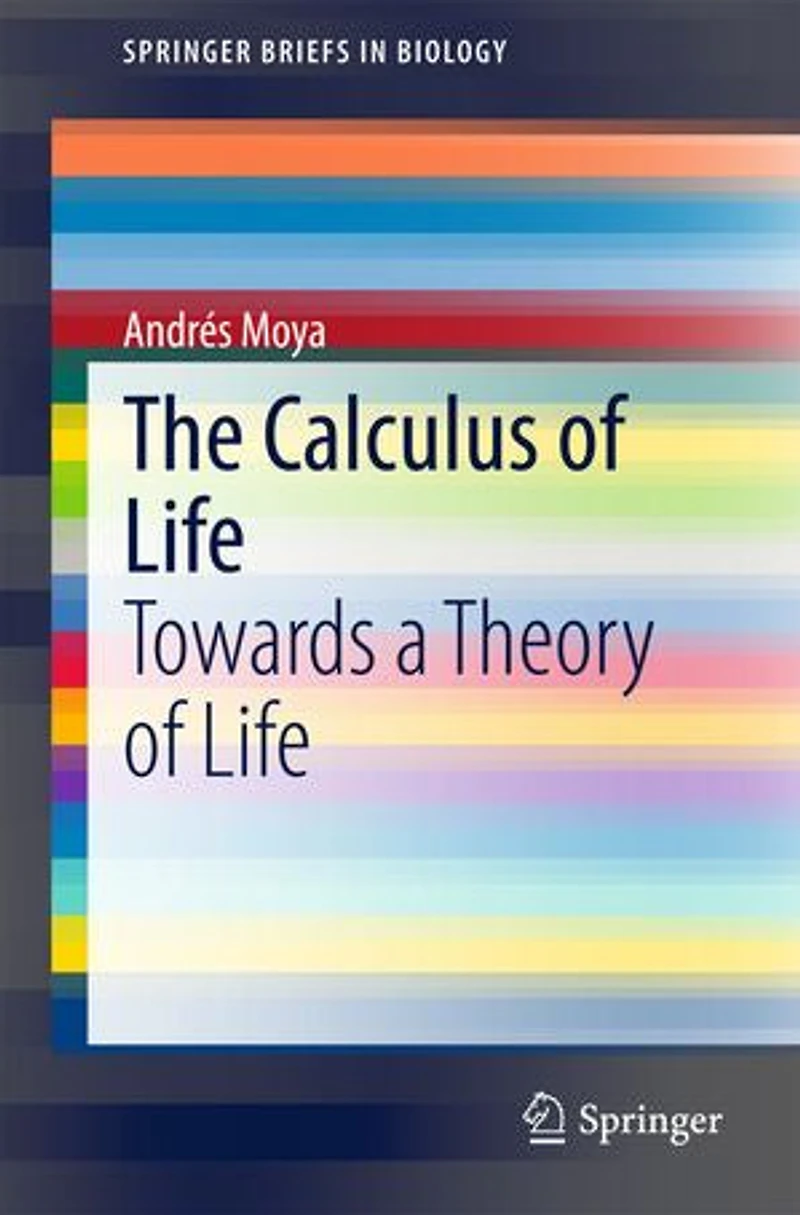
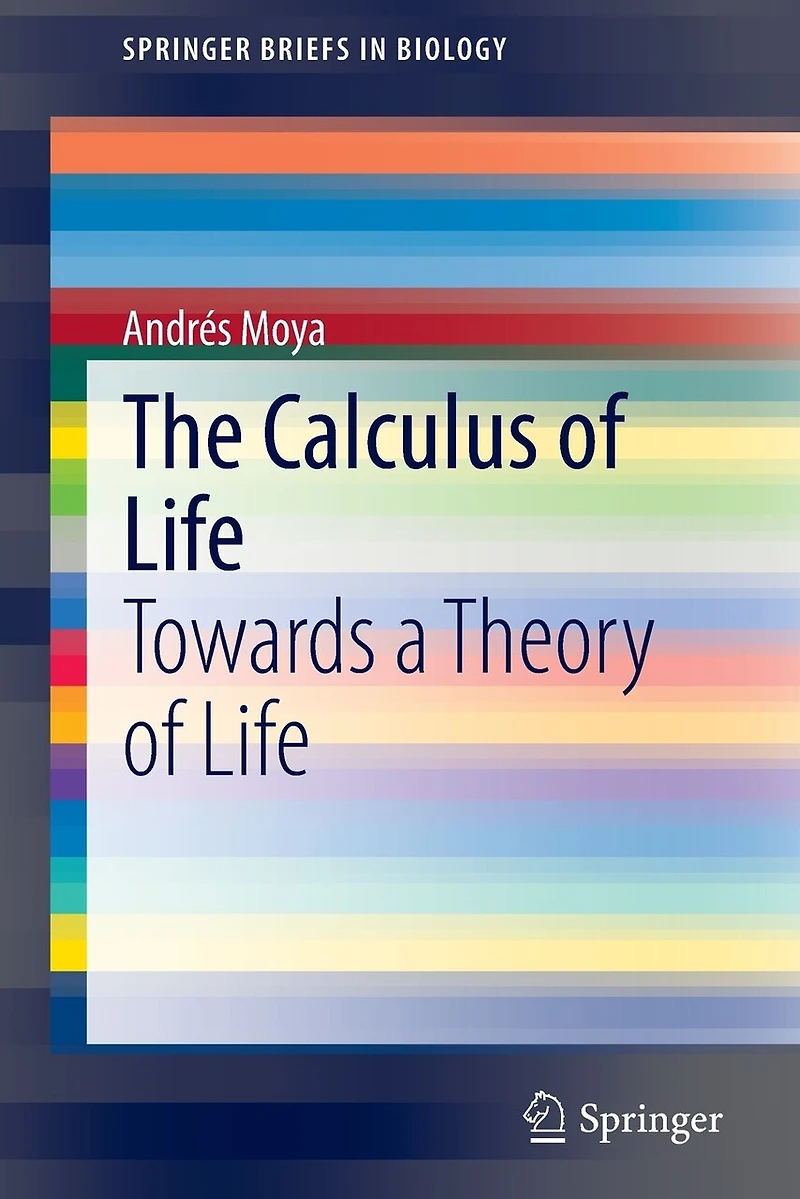
The Calculus of Life: Towards a Theory Life in Ottawa, ON
Current price: $64.49
Original price: $80.62

The Calculus of Life: Towards a Theory Life in Ottawa, ON
Current price: $64.49
Original price: $80.62
Loading Inventory...
Size: Kobo eBook
*Product information may vary - to confirm product availability, pricing, shipping and return information please contact Coles
This book explores the exciting world of theoretical biology and is divided into three sections. The first section examines the roles played by renowned scientists such as Jacob, Monod, Rosen, Turing, von Bertalanffy, Waddington and Woodger in developing the field of theoretical biology. The second section, aided with numerous examples, supports the idea that logic and computing are suitable formal languages to describe and understand biological phenomena. The third and final section is, without doubt, the most intellectually challenging and endeavors to show the possible paths we could take to compute a cell - the basic unit of life - or the conditions required for a predictive theory of biological evolution; ultimately, a theory of life in the light of modern Systems Biology. The work aims to show that modern biology is closer than ever to making Goethe's dream come true and that we have reached a point where synthetic and analytical traditions converge to shed light on the living being as a whole.
This book explores the exciting world of theoretical biology and is divided into three sections. The first section examines the roles played by renowned scientists such as Jacob, Monod, Rosen, Turing, von Bertalanffy, Waddington and Woodger in developing the field of theoretical biology. The second section, aided with numerous examples, supports the idea that logic and computing are suitable formal languages to describe and understand biological phenomena. The third and final section is, without doubt, the most intellectually challenging and endeavors to show the possible paths we could take to compute a cell - the basic unit of life - or the conditions required for a predictive theory of biological evolution; ultimately, a theory of life in the light of modern Systems Biology. The work aims to show that modern biology is closer than ever to making Goethe's dream come true and that we have reached a point where synthetic and analytical traditions converge to shed light on the living being as a whole.
You May Also Like








More About Coles at Bayshore Shopping Centre
Coles is renowned for its outstanding customer service and great selection of books. Along with the vast array of magazines, stationary, audio-books, children's literature, fiction, non-fiction and reference books, you can find accessories to make your reading experience more pleasurable. We can recommend the very best in reading today. We will help you search our titles for exactly what you need, and if we do not have it in stock, we will order it for you.
100 Bayshore Dr, Nepean, ON K2B 8C1, Canada
Find Coles at Bayshore Shopping Centre in Ottawa, ON
Visit Coles at Bayshore Shopping Centre in Ottawa, ON