

Give the Gift of Choice!
Too many options? Treat your friends and family to their favourite stores with a Bayshore Shopping Centre gift card, redeemable at participating retailers throughout the centre. Click below to purchase yours today!Purchase HereHome
The Cambridge Companion to Isaiah Berlin
Coles
Loading Inventory...
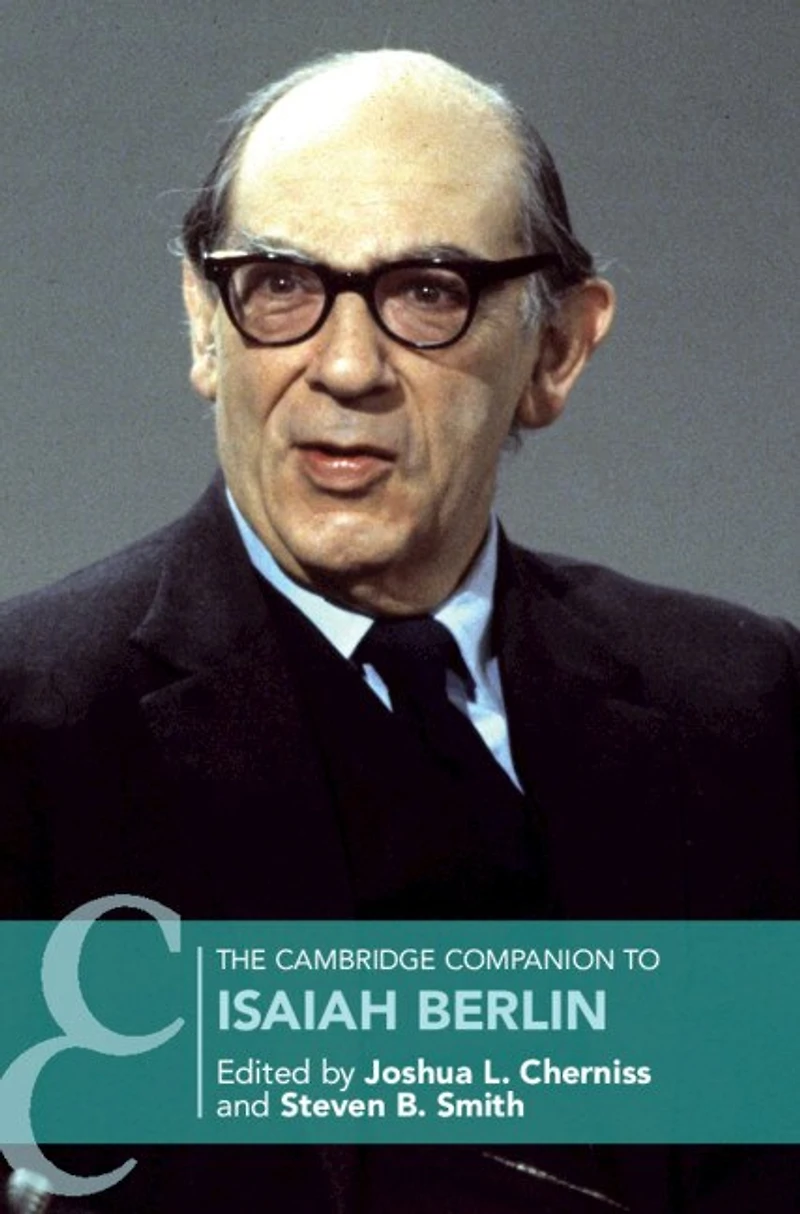
The Cambridge Companion to Isaiah Berlin in Ottawa, ON
Current price: $142.95

The Cambridge Companion to Isaiah Berlin in Ottawa, ON
Current price: $142.95
Loading Inventory...
Size: Hardcover
*Product information may vary - to confirm product availability, pricing, shipping and return information please contact Coles
Isaiah Berlin (1909–1997) was a central figure in twentieth-century political thought. This volume highlights Berlin's significance for contemporary readers, covering not only his writings on liberty and liberalism, the Enlightenment and Romanticism, Russian thinkers and pluralism, but also the implications of his thought for political theory, history, and the social sciences, as well as the ethical challenges confronting political actors, and the nature and importance of practical judgment for politics and scholarship. His name and work are inseparable from the revival of political philosophy and the analysis of political extremism and defense of democratic liberalism following World War II. Berlin was primarily an essayist who spoke through commentary on other authors and, while his own commitments and allegiances are clear enough, much in his thought remains controversial. Berlin's work constitutes an unsystematic and incomplete, but nevertheless sweeping and profound, defense of political, ethical, and intellectual humanism in an anti-humanistic age.
Isaiah Berlin (1909–1997) was a central figure in twentieth-century political thought. This volume highlights Berlin's significance for contemporary readers, covering not only his writings on liberty and liberalism, the Enlightenment and Romanticism, Russian thinkers and pluralism, but also the implications of his thought for political theory, history, and the social sciences, as well as the ethical challenges confronting political actors, and the nature and importance of practical judgment for politics and scholarship. His name and work are inseparable from the revival of political philosophy and the analysis of political extremism and defense of democratic liberalism following World War II. Berlin was primarily an essayist who spoke through commentary on other authors and, while his own commitments and allegiances are clear enough, much in his thought remains controversial. Berlin's work constitutes an unsystematic and incomplete, but nevertheless sweeping and profound, defense of political, ethical, and intellectual humanism in an anti-humanistic age.
You May Also Like
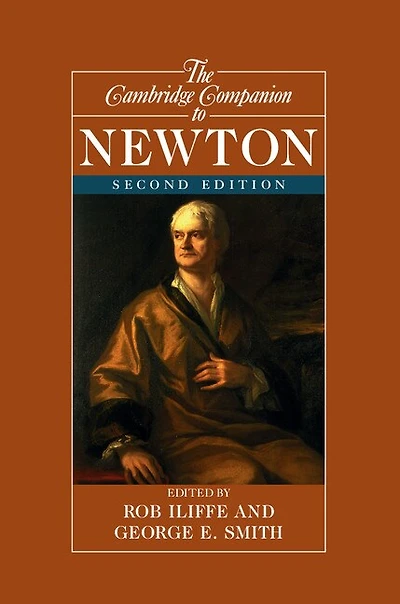
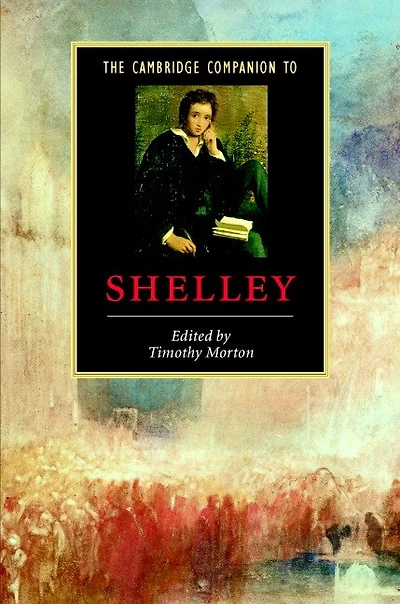








More About Coles at Bayshore Shopping Centre
Coles is renowned for its outstanding customer service and great selection of books. Along with the vast array of magazines, stationary, audio-books, children's literature, fiction, non-fiction and reference books, you can find accessories to make your reading experience more pleasurable. We can recommend the very best in reading today. We will help you search our titles for exactly what you need, and if we do not have it in stock, we will order it for you.
100 Bayshore Dr, Nepean, ON K2B 8C1, Canada
Find Coles at Bayshore Shopping Centre in Ottawa, ON
Visit Coles at Bayshore Shopping Centre in Ottawa, ON